
Sh1.5 million fine, a 72-hour deadline and a 'loose translation': Why the High Court threw out IEBC's punishment of MP Wanjiku Muhia

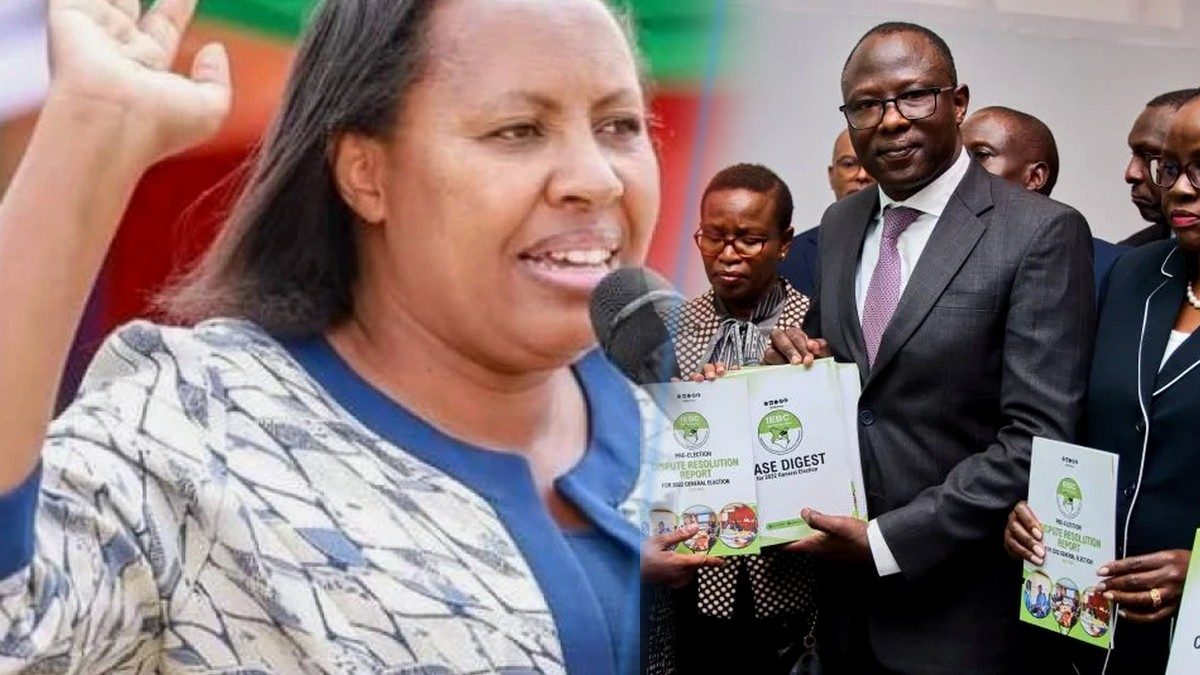
The electoral commission wanted Sh1.5 million from Wanjiku Muhia within 72 hours, plus a public apology at its offices. It will now get neither, after the High Court ruled that the Kipipiri MP was punished without being properly told the case against her.
Justice Nabil Orina quashed the decision of the Independent Electoral and Boundaries Commission's Electoral Code of Conduct Enforcement Committee, which on July 10 found the legislator guilty of breaching the code over remarks made at a campaign rally in Ol Kalou on June 14, ahead of the constituency's by-election.
What she was accused of
The committee said Muhia made statements in Kikuyu that appeared to call for violence against people not originally from the constituency. She has always disputed that reading, saying the English version in the charge sheet was a loose translation padded with explanations she never uttered.
Where IEBC went wrong
The court did not rule on what the MP said or meant. It ruled on how the commission handled the complaint, and found a string of failures:
- A summons served on June 22 told her to appear on June 26 "for examination", but gave no deadline to respond to the charge and no hearing date.
- A second notice two days later called her to a hearing at the same place and time, leaving it unclear what kind of sitting she was attending.
- The complaint form, its annexures, the complainant's sworn statement and the supporting evidence were not shown to have been supplied to her.
"The distinction between notice of an accusation and disclosure of the case to be answered is material," the judge said. Access to the evidence was especially important, he added, because the charge rested on a disputed translation.
IEBC argued that Muhia had her chance. Five advocates appeared for her on June 26, raised preliminary objections and, when those were dismissed, walked out. The judge was not persuaded, holding that a walkout after a failed objection "cannot be treated as an informed waiver" of her right to receive the material required by law.
Not a clean sweep
The MP lost one argument. She had claimed the committee was improperly constituted because only three commissioners sat. Justice Orina held that while the committee's membership is at least five, the rules set a quorum of three for hearing complaints.
Why it matters beyond one MP
The enforcement committee is the commission's main tool for policing hate speech, violence and intimidation on the campaign trail. With the General Election about nine months away, the ruling is a warning that fines and apologies will not survive in court unless accused politicians are served with the full complaint and given time to respond.
The judge acknowledged that electoral disputes must be resolved quickly, but said speed cannot override the constitutional right to fair administrative action.
IEBC had not said by Saturday whether it would appeal or start the process against the MP afresh.
Photos: Citizen Digital (Wanjiku Muhia, file); Capital FM (IEBC chairperson Erastus Ethekon and commissioners, file). Thumbnail design: HAMASTA MEDIA.



Know what people say about you.
Media monitoring, audience insights and strategic communication for your brand.


More in Politics
See all
Kenyans to Vote for Best Govt Agencies in 2026 Public Service Awards

Gachagua mocks Ruto's 'Usawa ni Sawa' over appointments he calls tribal

KNCHR Names Dr Mary Kimari as New CEO, Succeeding Dr Benard Mogesa

2027 presidential bid could cost up to KSh 20bn, far above IEBC's KSh 6.1bn cap

Ruto adviser Jaoko Oburu Odinga to quit State House job, eyes Bondo MP seat in 2027

Ndindi Nyoro weighs in on leaders' dress code in apparent dig at Edwin Sifuna
Global Community Remarks
0