
'It's rare to find so many dead hippos in one week': Bloated carcasses in Lake Naivasha leave fishermen fearing poison as KWS collects samples
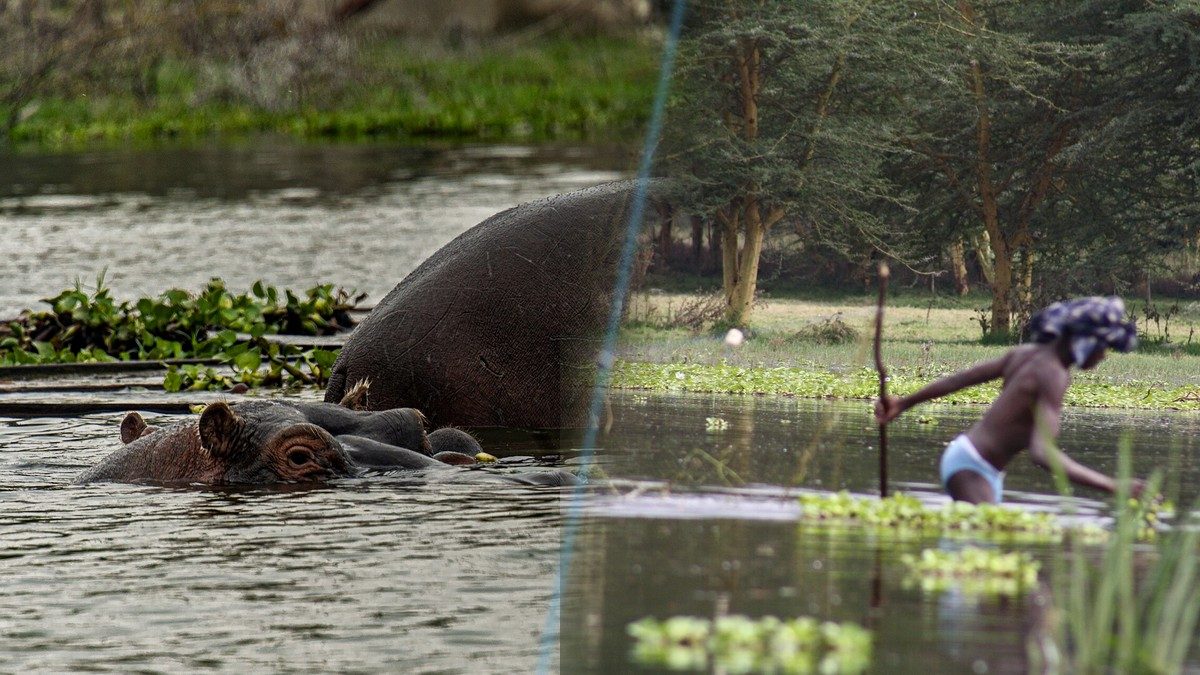
Fishermen on Lake Naivasha are used to seeing hippos die of old age or after fights, but the bloated carcasses now drifting through the water hyacinth have left them asking a darker question: has something in the lake been poisoned?
At least six hippos have died in the lake within a week, according to fishermen's groups quoted by The Standard, while Kenyans.co.ke reported on Sunday that more than six had died over the past two weeks. Residents and beach operators are now pressing the Kenya Wildlife Service (KWS) to establish what is killing the animals.
No wounds, swollen stomachs
Laban Ewoi of the Kamere Beach Management Unit told The Standard that four more carcasses had been spotted deep in the lake, two in the Kibokoni area and two near the Malewa River. All were bloated and none had visible injuries.
"We have spotted four more dead hippos in Kibokoni and Malewa areas, and the carcasses are bloated, and it's rare to find so many dead hippos in a span of one week," he said.
Grace Nyambura of the Lake Naivasha and Lake Oloiden Fishermen's Organisation said it was the highest number of hippo deaths reported in the lake in years. "Six hippos have died in the lake in the last week, and all of them have bloated stomachs, and this is very suspicious," she said.
Residents told Kenyans.co.ke that the absence of wounds had fuelled fears of poisoning. They also worry that rotting carcasses could put fishermen, tourists and other wildlife at risk, and hurt the shoreline businesses that rely on visitors who come to see the hippos.
What KWS has found so far
KWS has not confirmed poisoning. Communication officer Duncan Juma told The Standard that patrol teams had been sent to collect samples from the carcasses, although heavy rain and thick water hyacinth around the reported sites had slowed the work.
Juma said postmortems on two hippos that died at Kamere the week before had pointed to other causes. One had strayed onto a farm and overfed on cereals, leaving it fatally bloated, while the second had swallowed fishing nets that damaged its digestive system. "There was no poisoning as alleged," he said of those two cases.
The cause of the latest deaths has not been established, and Kenyans.co.ke reported that KWS had not issued a formal public statement by Sunday afternoon.
A lake under pressure
The deaths come at a difficult time for Naivasha's hippos. Rising lake levels in recent months have flooded their grazing grounds, pushing dozens of them onto nearby farms and estates in search of food, according to The Standard.
The lake basin is ringed by large flower and horticulture farms, dairy estates and open fields of maize, wheat and barley, some of which draw irrigation water from the lake and nearby boreholes. That mix of farms, fishing and a growing human population has made the shoreline one of the busiest places in the country where people and hippos meet.
Residents say only proper laboratory tests will settle whether the latest deaths are natural, accidental or deliberate, and they want the results made public.
Photos: Daniel Case / Wikimedia Commons (CC BY-SA 4.0); shankar s. / Wikimedia Commons (CC BY 2.0). Thumbnail design: HAMASTA MEDIA.
Every moment, captured beautifully.
Events, corporate portraits, products and editorial shoots by our newsroom photographers.





More in Environment
See all
William and Kate name Bhutan among five Earthshot Prize winners in Mumbai
Nairobi's 'Green City in the Sun' title at risk as construction boom fells trees

COP31 draft deal exposes rifts as fight over IPCC report timing deepens
Green Belt Movement Rejects Plan for Crematorium at Nairobi City Park
Kenya Met: Rain expected in 36 counties as north braces for heat above 35°C
Global Community Remarks
0