
Nairobi's 'Green City in the Sun' title at risk as construction boom fells trees
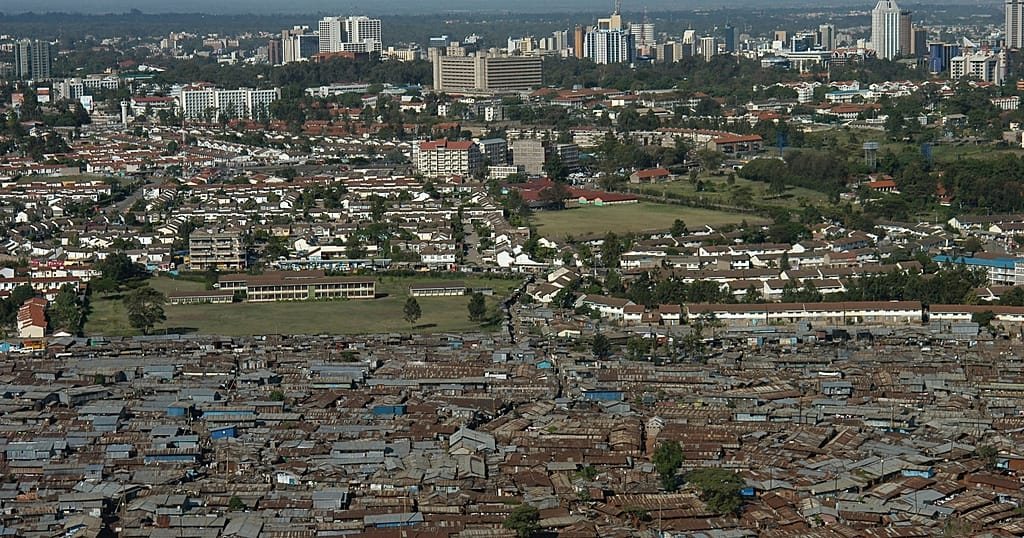
Nairobi's long-held reputation as the 'Green City in the Sun' is under growing pressure as trees are cut down to make room for wider roads and new buildings, according to a report by Africanews.
Heavy machinery clearing green spaces has become a common sight across the Kenyan capital, where a growing population has driven a decade-long construction boom.
A sector on the rise
Figures from Kenya's Treasury, cited by Africanews, show the country's construction sector grew by 6.8% in 2025, a sharp jump from 0.7% the year before. In Nairobi alone, private building completions reached 25,090 in 2025.
Nickson Otieno, an architect and sustainability practitioner at the consulting firm Niko Green, told Africanews that the city's limited land and rising population mean development must happen within existing boundaries. He argued that the first question should be where building takes place.
According to Otieno, gazetted and conserved zones should be kept off-limits to development entirely. Where land is zoned for building but already has trees or other biodiversity, he said, developers need to make a deliberate decision about how much of that natural cover should be preserved.
Wildlife adapting to a changing city
The effects of rapid urbanisation are not limited to vanishing greenery. Africanews reports that the city's wildlife is also changing its habits.
The marabou stork, a familiar bird in Nairobi, once relied mainly on trees for nesting and perching. Today the birds are increasingly seen nesting and roosting on billboards and buildings instead.
Ornithologist John Musina told Africanews that birds serve as environmental indicators, with their numbers offering a proxy for the overall health of a habitat. He said the bird population in any urban setting is a good measure of how environmentally healthy that city is.
Protests and court battles
Several government-led development projects in Nairobi have faced street protests and legal challenges in recent months.
On October 27, the Environment and Land Court in Nairobi issued conservatory orders stopping construction of a proposed car park at Nairobi National Park. The orders came after 4,642 activists filed a lawsuit opposing the project.
Despite that ruling, a spot check carried out across the city found dozens of other public and private projects still in progress, with trees continuing to be felled in various neighbourhoods, according to Africanews.
'Trees seen as an obstacle'
Environmental law advocate Kelvin Kubai believes Nairobi is already losing its green character. He blamed what he described as a few over-ambitious developers who fail to appreciate the value of the city's trees.
"They count these trees ... as an obstacle that they have to clear away to pave way for development," Kubai told Africanews.
Kubai said there was a disconnect in recognising that trees have long been an integral part of the city and deserve to remain so.
As building activity continues, the question facing planners, developers and residents is whether Nairobi can keep growing without sacrificing the green identity that once defined it.
This story was prepared by the Hamasta Newsdesk with AI assistance, based on reporting by Africanews. Read the original report. Photo: Africanews.



Know what people say about you.
Media monitoring, audience insights and strategic communication for your brand.


More in Environment
See all
William and Kate name Bhutan among five Earthshot Prize winners in Mumbai
COP31 draft deal exposes rifts as fight over IPCC report timing deepens
Green Belt Movement Rejects Plan for Crematorium at Nairobi City Park
Kenya Met: Rain expected in 36 counties as north braces for heat above 35°C
Kenya Met forecasts rain in coastal, western and Nyanza counties on November 17
Global Community Remarks
0