
Climate activists march in Nairobi, push government to boost clean energy funding
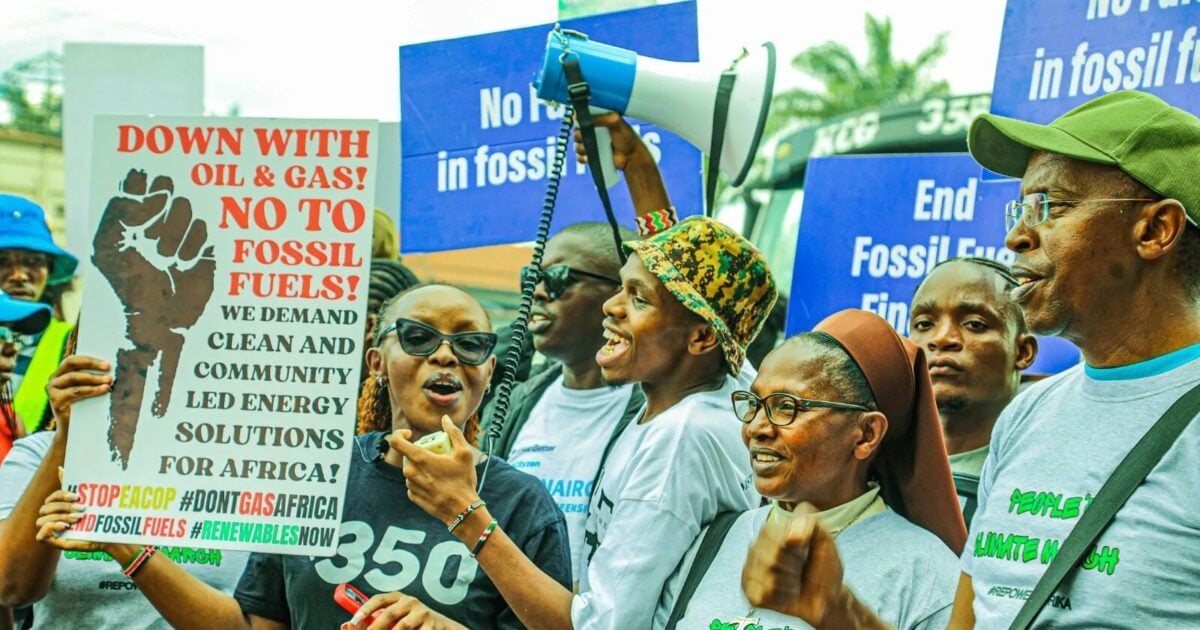
Climate activists have urged the government to put more money into clean energy, especially decentralised renewable systems, to widen access to affordable and dependable electricity across Kenya, according to Capital FM Business.
The demand was made during a climate march in Nairobi last weekend. Hundreds of young people, students, activists and civil society groups took part, calling on governments to invest more in renewables to tackle both energy poverty and climate change.
March timed with global climate talks
Dubbed the REPower Afrika: Nairobi People's Climate March, the procession began at the Kenya Wildlife Service headquarters on Lang'ata Road and headed towards the Catholic University of Eastern Africa.
It was coordinated by several organisations, among them Laudato Si' Movement Africa, Greenpeace Africa, Climate Action Network Eastern Africa, 350 Africa and Ubuntu Hub. Organisers said it was held in solidarity with the People's March in Türkiye, staged alongside the COP31 climate negotiations.
The 31st United Nations Climate Change Conference is running in Antalya, Türkiye, from November 9 to 20, 2026. World leaders, negotiators and climate organisations are discussing climate finance, expanding access to renewable electricity and speeding up the shift away from fossil fuels.
Call for community-owned power
Ruth Agalla, the East Africa Regional Organiser at 350 Africa, said the marchers wanted governments to embrace decentralised solutions such as community-owned solar networks and mini-grids.
She argued that Kenya and the wider continent remain dependent on fossil fuels, and that ordinary Kenyans are bearing the cost of an energy crisis to which they contributed little, with knock-on effects on the cost of living.
Agalla also called on African governments to tighten rules governing large corporations, particularly oil and gas firms, which she said are major contributors to climate change. She encouraged young people and other Kenyans to use digital platforms to campaign for clean energy and a fair transition away from fossil fuels.
The demonstrators said access to clean, affordable and reliable energy should be recognised as a basic right, pointing to the high energy bills and unreliable supply that many households continue to face.
Pastoral communities left behind
Dr Nancy Milanoi, who represents a community-based organisation in Kajiado, said pastoralist communities are among those hardest hit by poor access to electricity.
She told the gathering that climate change has made life difficult for pastoralists, and that the lack of power is affecting children's ability to study.
"Kajiado is not really far from Nairobi, but the government is really ignoring us," Milanoi said.
Unequal climate finance
Steve Kezamutima, Senior Programme Coordinator at Laudato Si' Movement Africa, raised concerns about how global climate finance is shared. He said the communities most affected by climate change often receive only a small portion of the funding and support available.
The Nairobi march adds to a wider push by African civil society for climate negotiators to prioritise renewable energy access and fairer financing for vulnerable communities as the COP31 talks enter their final days.
This story was prepared by the Hamasta Newsdesk with AI assistance, based on reporting by Capital FM Business. Read the original report. Photo: Capital FM Business.


Take your event live to thousands.
Multi-camera live streams, panel discussions and digital broadcasts with professional crews.




More in Environment
See all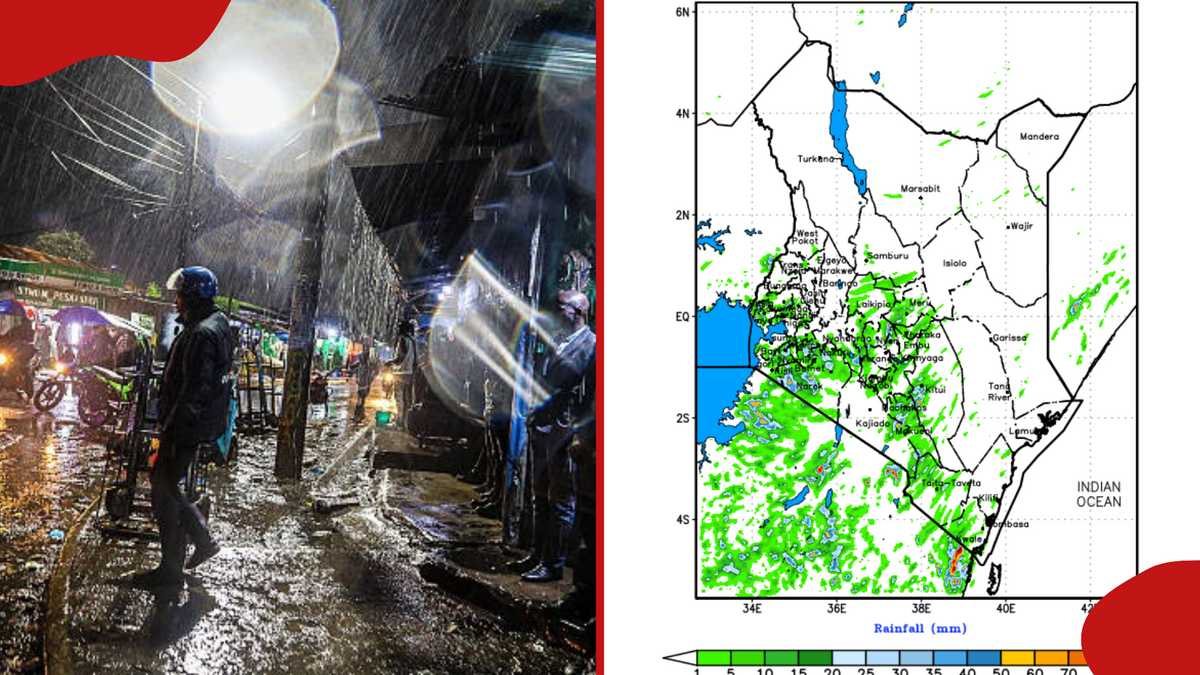
Kenya Met forecasts rain in coastal, western and Nyanza counties on November 17
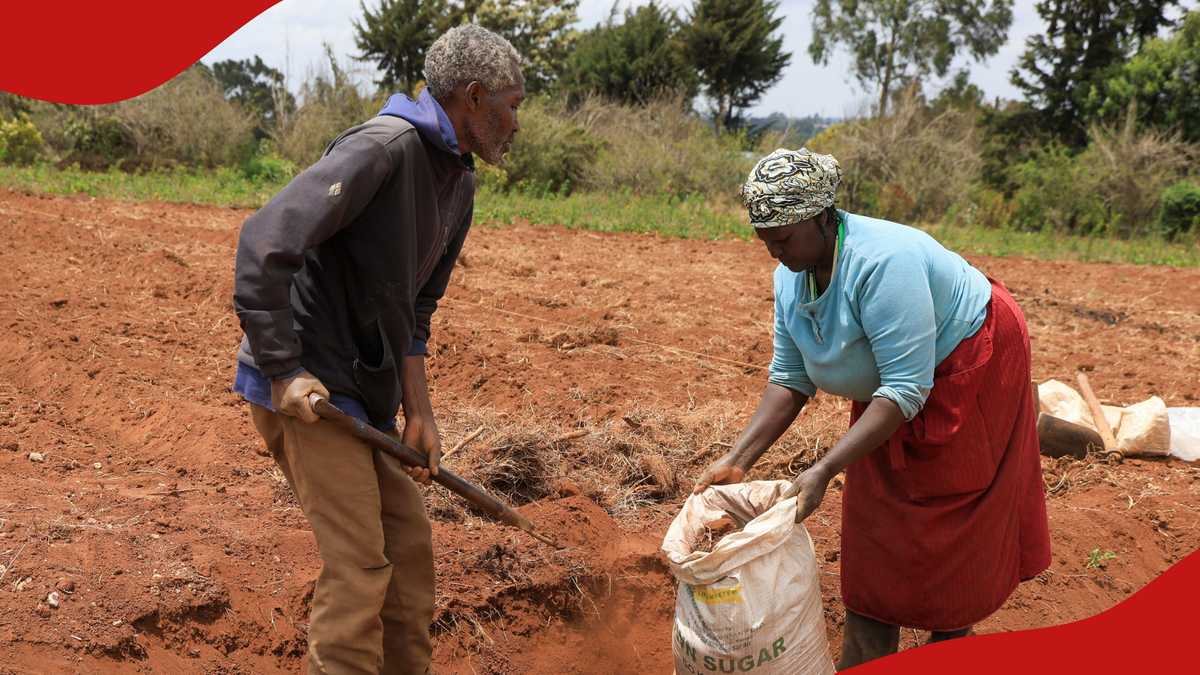
Limuru and Karatina farmers turn to sandbags and grass to shield soil from rains

Amboseli residents dig 50,000 earth dams to harvest El Niño rains for pasture
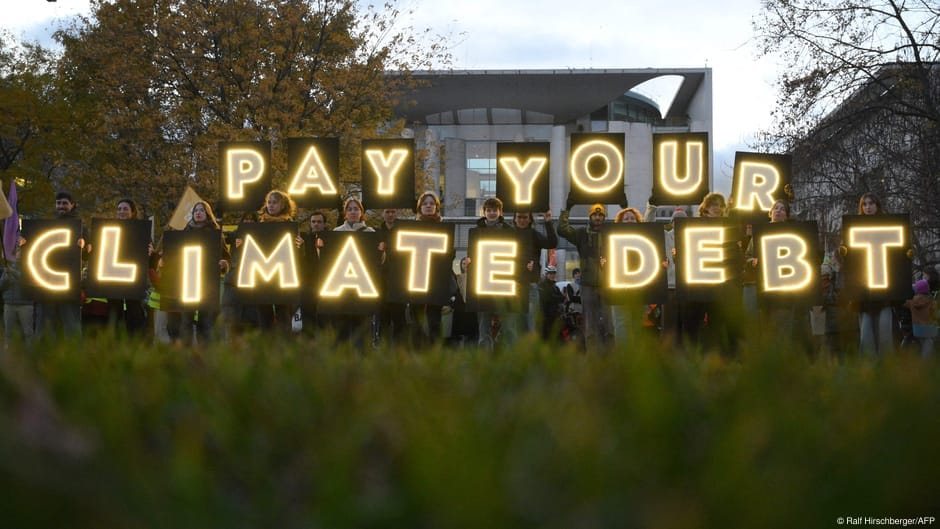
COP31 draft deal seeks swift exit from fossil fuels and $120bn for adaptation
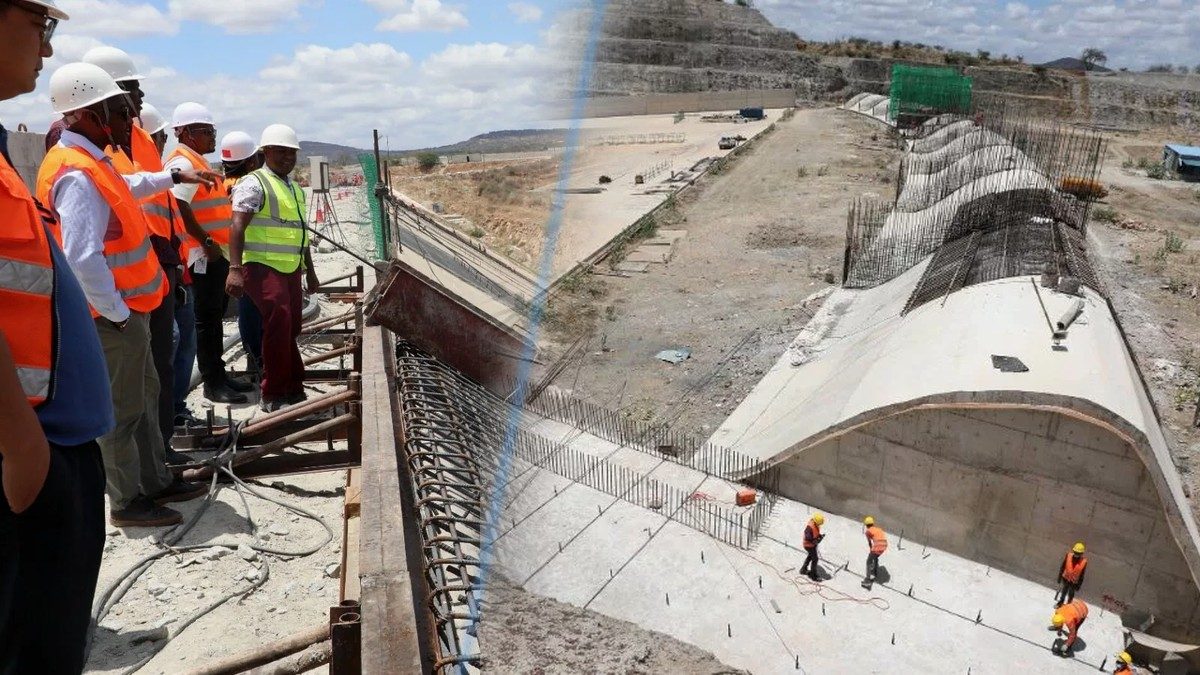
94.2 per cent built, 1.3 million people waiting for water: Thwake Dam nears the finish line as Makueni families say blasting cracked their homes
Global Community Remarks
0