
94.2 per cent built, 1.3 million people waiting for water: Thwake Dam nears the finish line as Makueni families say blasting cracked their homes
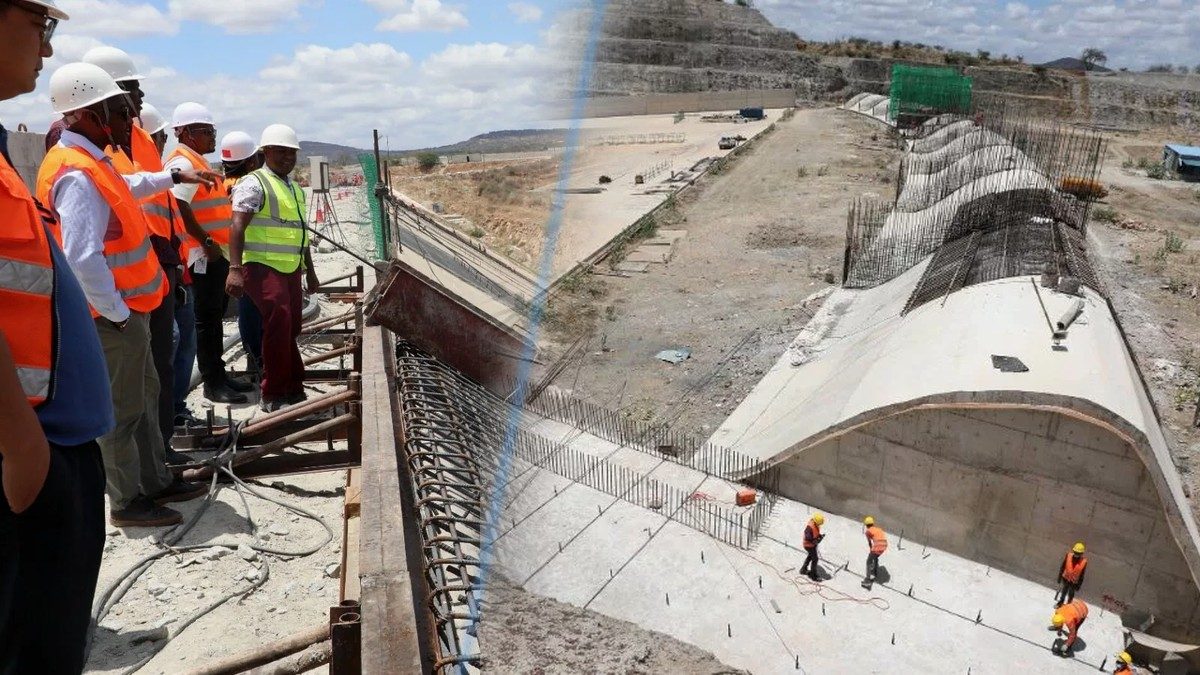
After years of delays and cash shortages, the dam that Ukambani has waited decades for is almost built. Water and Sanitation Principal Secretary Julius Korir has told MPs that construction of Thwake Multipurpose Dam has reached 94.2 per cent.
Korir appeared before the National Assembly's Departmental Committee on Blue Economy, Water and Irrigation this week. He said the remaining works were being sped up so the dam can start holding water, with The Standard and Citizen Digital reporting a target of April 2027 for impoundment. Earlier ministry statements reported by the Kenya News Agency said the gates would be closed at the end of January 2027 to start filling the reservoir, ahead of commissioning.
What the dam is meant to deliver
The dam sits where the Athi and Thwake rivers meet on the border of Makueni and Kitui counties. At about 80.5 metres high, it is designed to store 688 million cubic metres of water.
- 150,000 cubic metres of treated water a day for about 1.3 million people in Makueni, Kitui and Konza Technopolis
- Irrigation for 40,000 hectares, roughly 100,000 acres, of farmland
- 20 megawatts of hydropower
The project has four phases: the dam itself, then hydropower, water supply and sanitation, and irrigation. The later phases need treatment plants, pipelines and a power station beyond the dam wall.
Korir said the government had turned to development partners when the project ran short of money. "When we ran short of cash, we engaged with our development partners, and they allocated additional funding, and this money will now go towards total completion of the project," he said. In June 2026, the African Development Bank (AfDB) approved an extra €68.39 million to finish the first phase, according to The Standard.
Cracked walls and a compensation dispute
Not everyone near the site is celebrating. Households in Mavindini Ward, organised as the Thwake Dam Blasting-Affected Community Committee, say controlled blasting cracked their walls, windows and foundations, and complain of dust, noise and vibrations. In August 2026 they asked the AfDB for an independent review, saying some properties were left out of assessments and compensation.
A project official said Agile Consulting was hired to assess 330 households within two kilometres of the site. Ben Mwongela, a director at the firm, said the exercise involved "reviewing blasting records, vibration data and compliance with regulatory standards". An AfDB mission visited the project from September 21 to 25 and, in a report dated October 21, called for timely compensation and continued monitoring.
Other residents have defended the project. "Ukambani is fertile. Water has been the biggest impediment to the realization of our agricultural potential. Thwake Dam water is the clear solution to this," said Martin Kimeu, a resident of Wote. Jacob Mwanzia of Madangi Village said most households in his area had been compensated and were satisfied.
For a region where farming has long depended on unreliable rains, the coming months will decide whether the long wait finally ends with water in the reservoir.
Photos: Capital FM; 001 FM. Thumbnail design: HAMASTA MEDIA.


Grow an audience that listens.
Social media management, digital campaigns and online storytelling that converts.



More in Environment
See all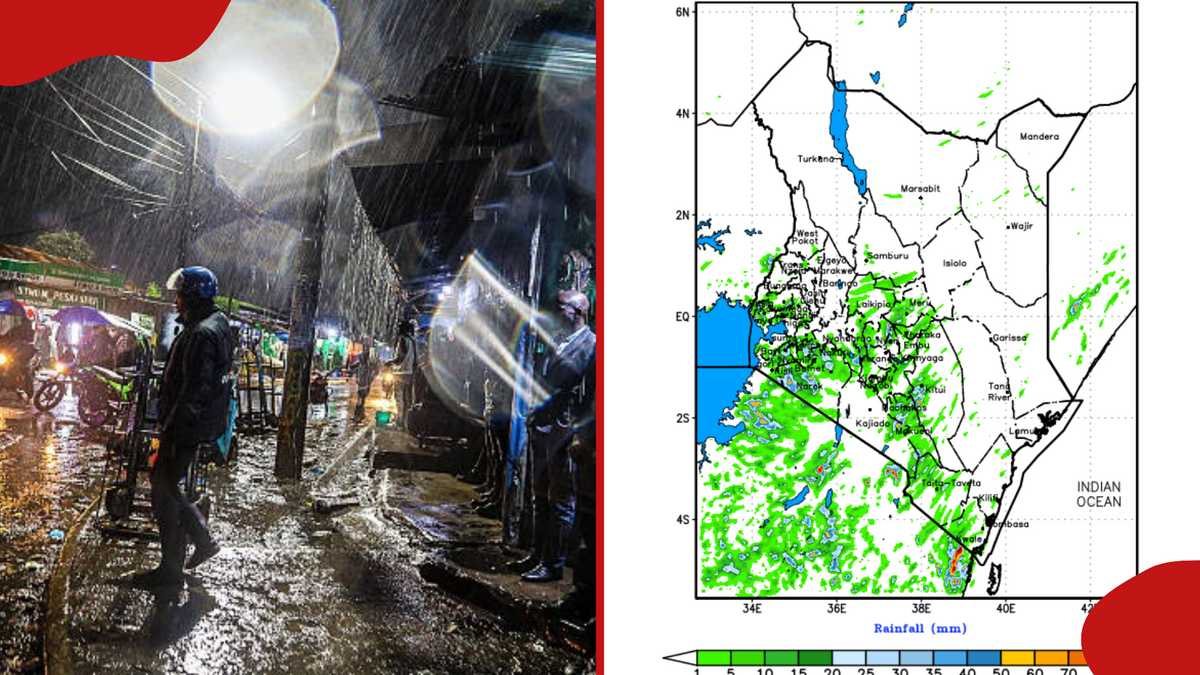
Kenya Met forecasts rain in coastal, western and Nyanza counties on November 17

Climate activists march in Nairobi, push government to boost clean energy funding
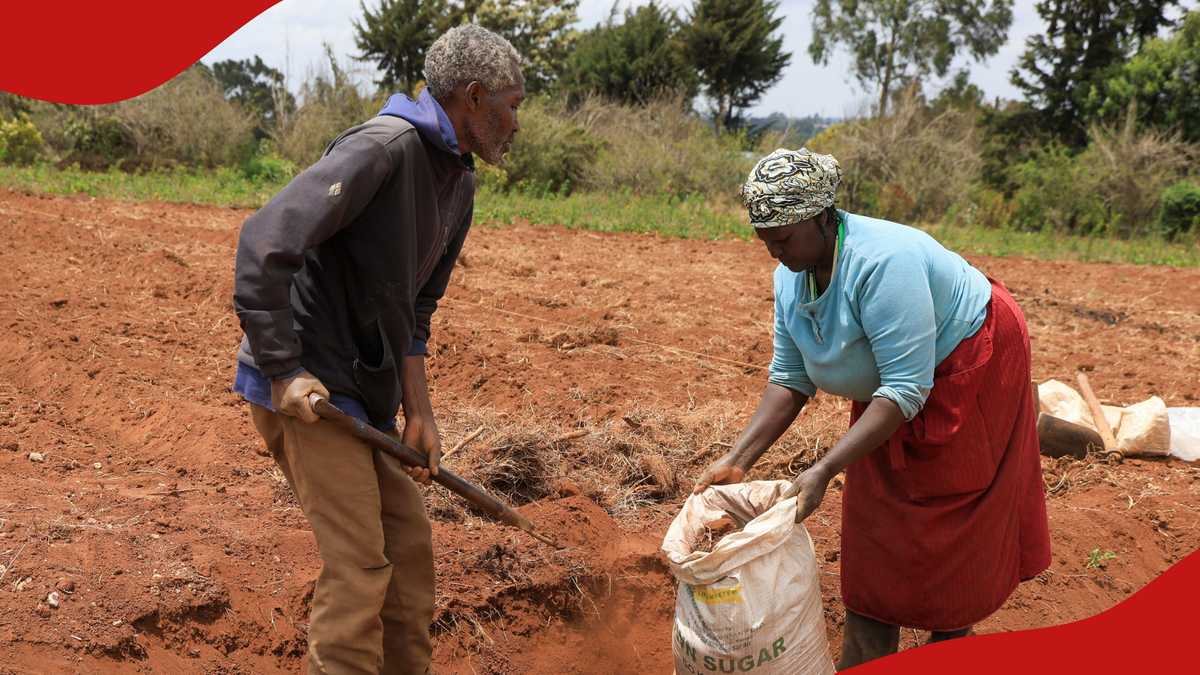
Limuru and Karatina farmers turn to sandbags and grass to shield soil from rains
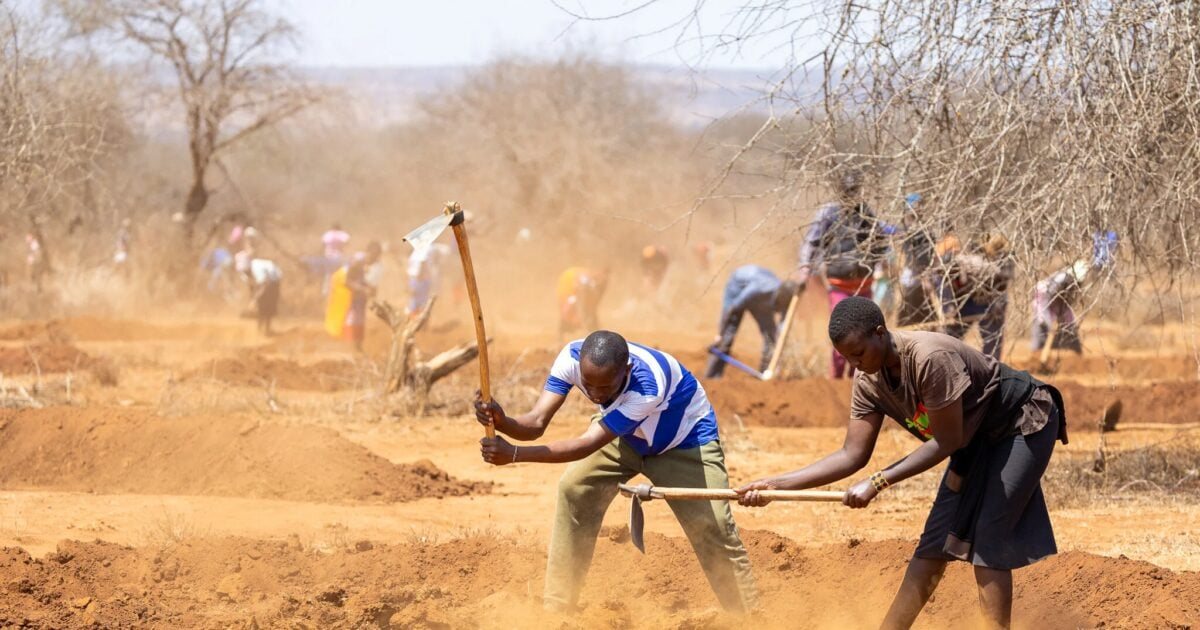
Amboseli residents dig 50,000 earth dams to harvest El Niño rains for pasture

COP31 draft deal seeks swift exit from fossil fuels and $120bn for adaptation
Global Community Remarks
0