
COP31 draft deal seeks swift exit from fossil fuels and $120bn for adaptation
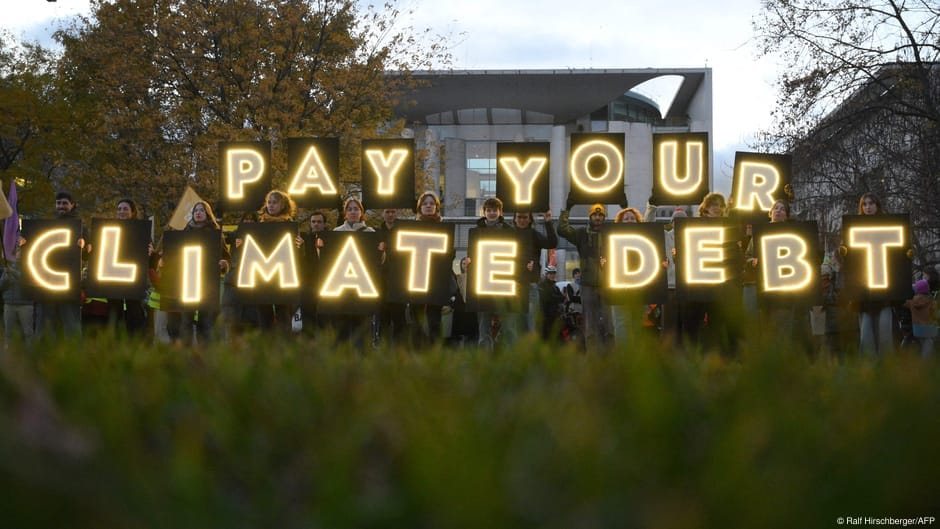
Negotiators at the COP31 climate summit in Antalya, Turkey, are weighing a draft political agreement that calls for an "immediate transition away from fossil fuels" and a tripling of money to help developing countries adapt to climate change, according to DW News.
The text was put forward by Australia, which is co-hosting the talks with Turkey, as the conference entered its second week. It sets a target of at least $120 billion (about €109 billion) for adaptation finance in developing countries.
Fossil fuel wording a key battleground
The language on oil, coal and gas is significant because countries that produce fossil fuels have repeatedly resisted tougher wording in earlier COP decisions, DW News reported.
The draft also reflects Turkey's ambition to raise the share of electrification in the world's economies to 35% by 2035. While it stresses clean energy, the text says electrification can bring benefits whatever the source of the electricity. That position has split delegates, many of whom want electrification firmly linked to renewable power.
On global warming, the document voices deep concern that the 1.5 degrees Celsius limit set under the 2015 Paris Agreement is now beyond reach. It urges faster action to keep any overshoot of that threshold as small and as short as possible, and to bring temperatures back below 1.5C as soon as possible.
Cautious welcome from campaigners
Martin Kaiser, head of Greenpeace Germany, told reporters on Monday that the text had all the elements needed for a successful outcome, including a climate neutrality goal for industrialised countries by 2030 and a work programme aimed at keeping the 1.5C limit alive.
However, he criticised the absence of binding commitments. Kaiser said Europe should team up with China and the most climate-vulnerable nations to stop oil-producing states, including Russia and Middle Eastern countries, from weakening the conference's decisions in favour of the oil and gas industry.
Cosima Cassel of the climate think tank E3G also welcomed the ambitious tone but warned that negotiators would now be left to bargain over trade-offs. In a statement, she said the real test would be whether the final decision retained its core elements on overshoot, science, clean electrification and adaptation finance.
Money remains the sticking point
Disputes over finance centre on who should pay for global climate action, whether support should come as grants or loans, and how funding for developing countries can be scaled up.
Adaptation finance is a long-standing priority for many African countries, including Kenya, which contribute little to global emissions but face severe climate impacts such as drought and flooding.
Tough days ahead
The draft runs to 18 pages and 144 items, and is expected to be the subject of lengthy negotiations as delegates aim to strike a deal by Friday.
Chris Bowen, Australia's minister for climate change and energy and the lead negotiator, sounded upbeat. He told reporters the mood of the talks had been very constructive, and that while parties had brought strong views, they had also shown a spirit of cooperation and respect and a desire to reach an outcome.
This story was prepared by the Hamasta Newsdesk with AI assistance, based on reporting by DW News. Read the original report. Photo: DW News.


Take your event live to thousands.
Multi-camera live streams, panel discussions and digital broadcasts with professional crews.




More in Environment
See all
Kenya Met forecasts rain in coastal, western and Nyanza counties on November 17
Climate activists march in Nairobi, push government to boost clean energy funding
Limuru and Karatina farmers turn to sandbags and grass to shield soil from rains
Amboseli residents dig 50,000 earth dams to harvest El Niño rains for pasture
94.2 per cent built, 1.3 million people waiting for water: Thwake Dam nears the finish line as Makueni families say blasting cracked their homes
Global Community Remarks
0