
Amboseli residents dig 50,000 earth dams to harvest El Niño rains for pasture
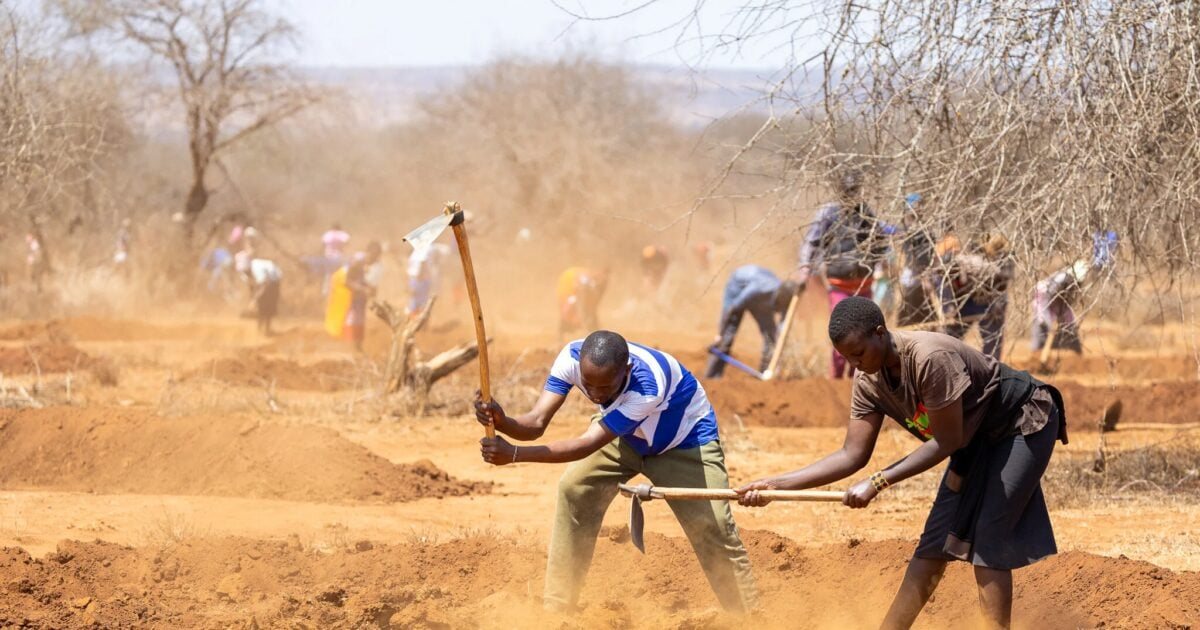
More than 600 residents living around the Amboseli ecosystem are working against the clock to dig 50,000 small earth dams on degraded rangelands before the expected El Niño rains arrive, according to Capital FM Kenya.
The community-driven effort aims to capture heavy rainfall and use it to regrow pasture for both livestock and wildlife in an area hit by repeated droughts.
The project is being run by Big Life Foundation together with restoration group Justdiggit Foundation and the TWENDE project. It targets degraded grazing land on Mbirikani Ranch, where workers at four active sites are digging more than 1,000 structures a day.
How the bunds work
The structures, known as bunds, are semi-circular earth basins measuring about 2.5 metres by five metres. They are placed along natural water-flow paths so that rainwater collects in them instead of running off bare ground.
By slowing runoff, the bunds allow water to sink into the soil, cut erosion, stop gullies from forming and hold on to topsoil. Indigenous grass seeds are then spread around them so vegetation can take root and gradually recover the surrounding land.
Ernest Lenkoina, Rangelands Restoration Manager at Big Life Foundation, said land degradation had left pastoralist communities short of grazing, and warned that heavy rain on hardened soils could make the damage worse.
"One of the biggest crises facing pastoralist communities today is pasture scarcity caused by degraded land," Lenkoina said.
He explained that the aim is to prepare the ground now so that when the rains come, as much water as possible soaks in and gives grass a chance to grow.
Building on earlier work
The current drive extends a five-year restoration programme by Big Life and partners including Conservation International and Justdiggit. That programme has already produced more than 278,000 bunds across 2,300 acres of degraded land.
Together with natural regeneration and controlled grazing, the wider programme has helped rehabilitate more than 17,500 acres of rangeland, the report says.
Earlier sites such as Ilchalai, Loosikitok and Olngosua have shown notable pasture recovery, with restored patches staying green for longer and offering forage to livestock and wildlife during dry spells.
Caroline Kerichu, Southern Landscape Manager at Justdiggit Foundation, called for practical action over talk, saying nature can regenerate when given the right conditions. She said the organisations' role was to support communities and combine indigenous knowledge with science and innovation to speed up recovery.
Income for drought-hit families
The project is also putting money into households hard hit by drought. More than Sh9 million is being paid to 657 casual workers, many of them local Maasai women, including widows and families who lost livestock in recent droughts.
Women are further involved through eight community grass seed banks coordinated by Big Life and run by women's groups on group ranches in Kajiado County. The seed banks supply indigenous seed for restoration and generate extra income through seed sales, hay baling and beekeeping.
Protecting the new grass
To give newly planted grasses time to mature and produce seed, communities have agreed to temporary grazing restrictions before livestock are allowed back onto restored areas.
Community Land Management Committees and dedicated rangeland scouts monitor the sites and enforce these agreements.
The work is seen as especially important in the Greater Amboseli ecosystem, where Maasai livelihoods and wildlife conservation both depend on shared grazing land. Healthier pastures can also ease pressure on nearby farms by providing alternative forage for livestock, supporting coexistence between people and wildlife.
This story was prepared by the Hamasta Newsdesk with AI assistance, based on reporting by Capital FM Kenya. Read the original report. Photo: Capital FM Kenya.

Tell your story on screen.
Commercials, documentaries, interviews and social video, from script to final cut.





More in Environment
See all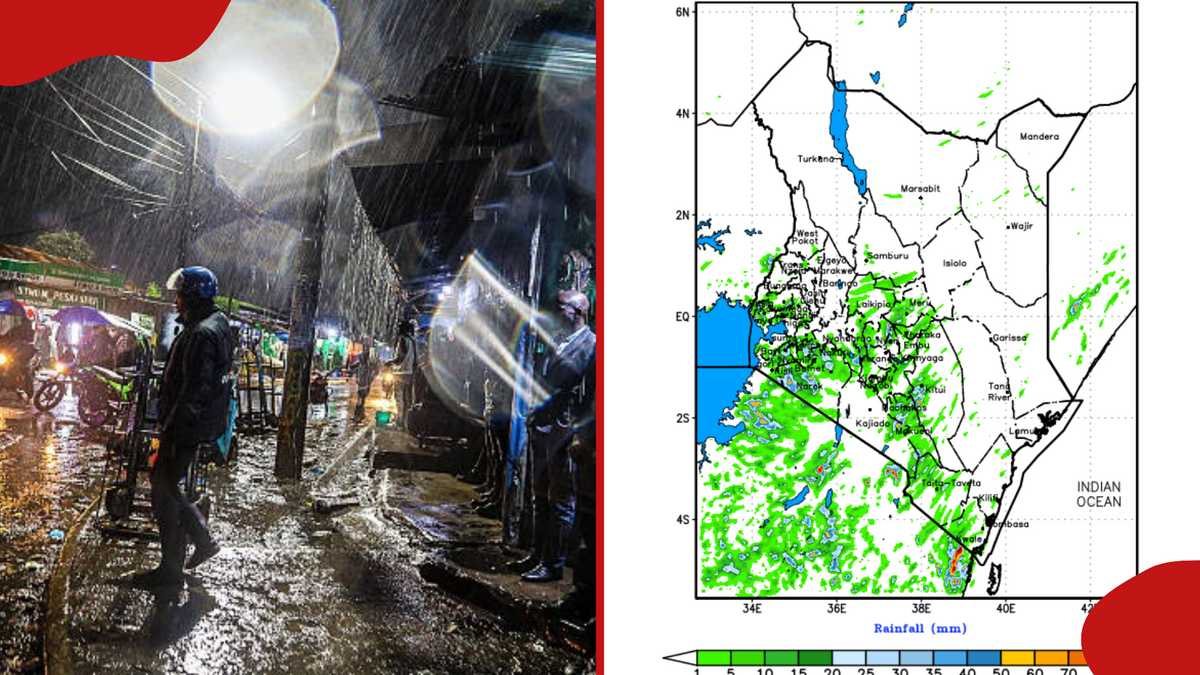
Kenya Met forecasts rain in coastal, western and Nyanza counties on November 17

Climate activists march in Nairobi, push government to boost clean energy funding
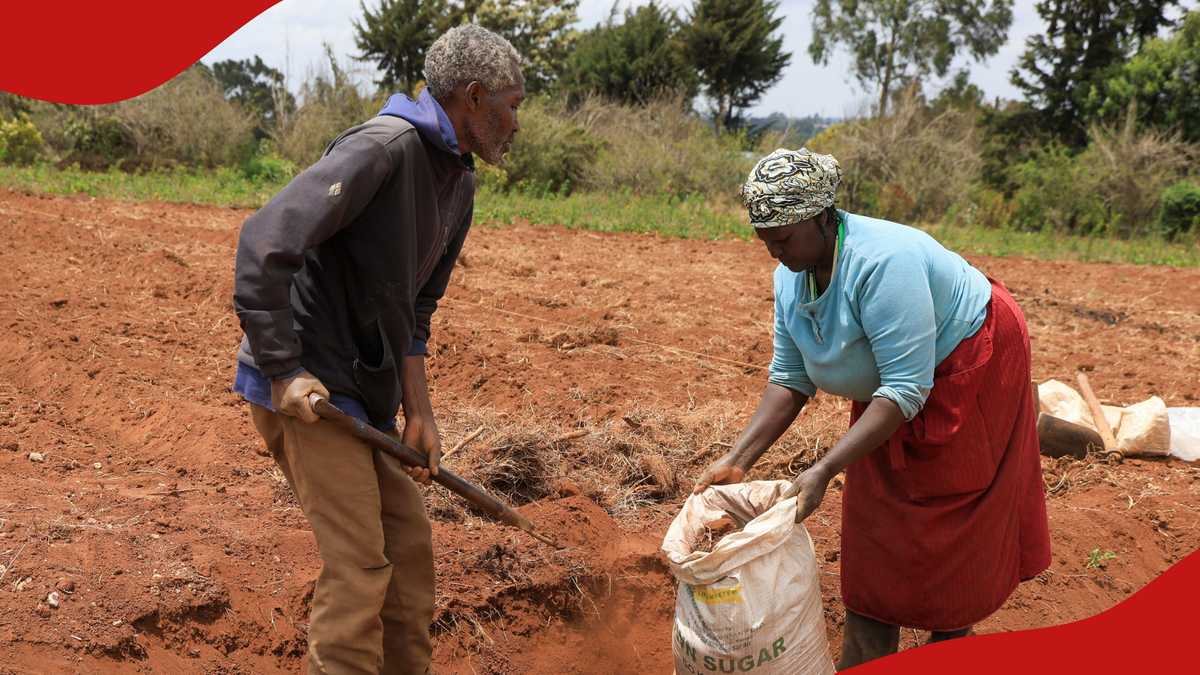
Limuru and Karatina farmers turn to sandbags and grass to shield soil from rains

COP31 draft deal seeks swift exit from fossil fuels and $120bn for adaptation
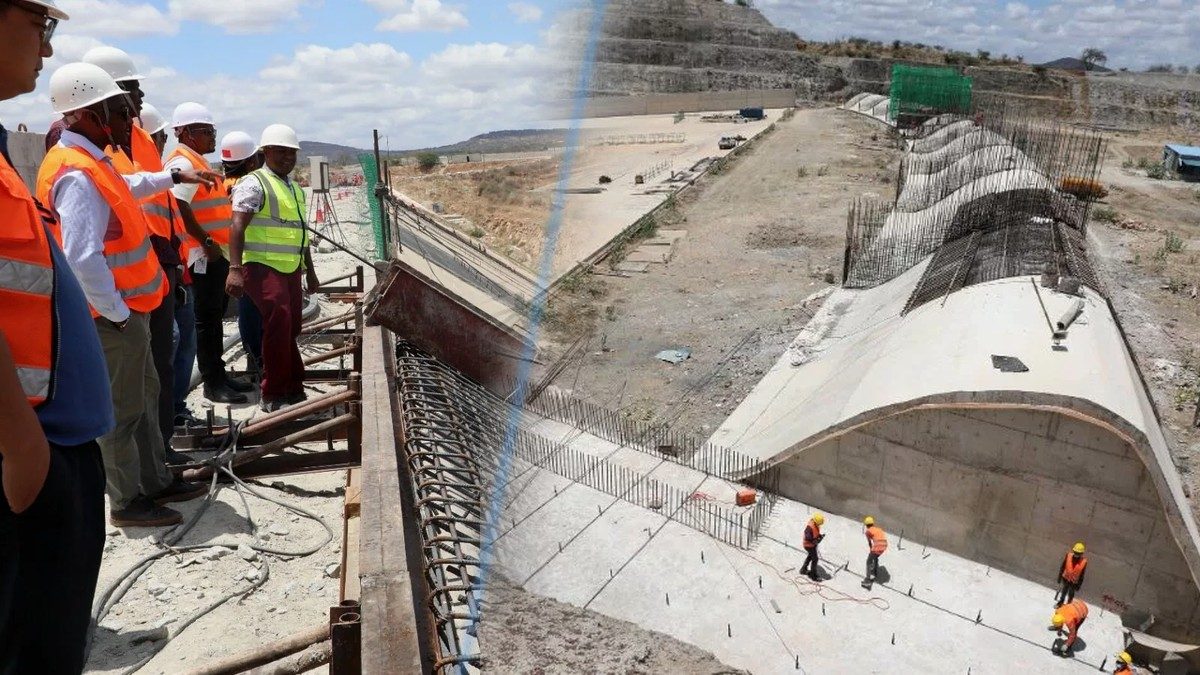
94.2 per cent built, 1.3 million people waiting for water: Thwake Dam nears the finish line as Makueni families say blasting cracked their homes
Global Community Remarks
0