
COP31 draft deal exposes rifts as fight over IPCC report timing deepens
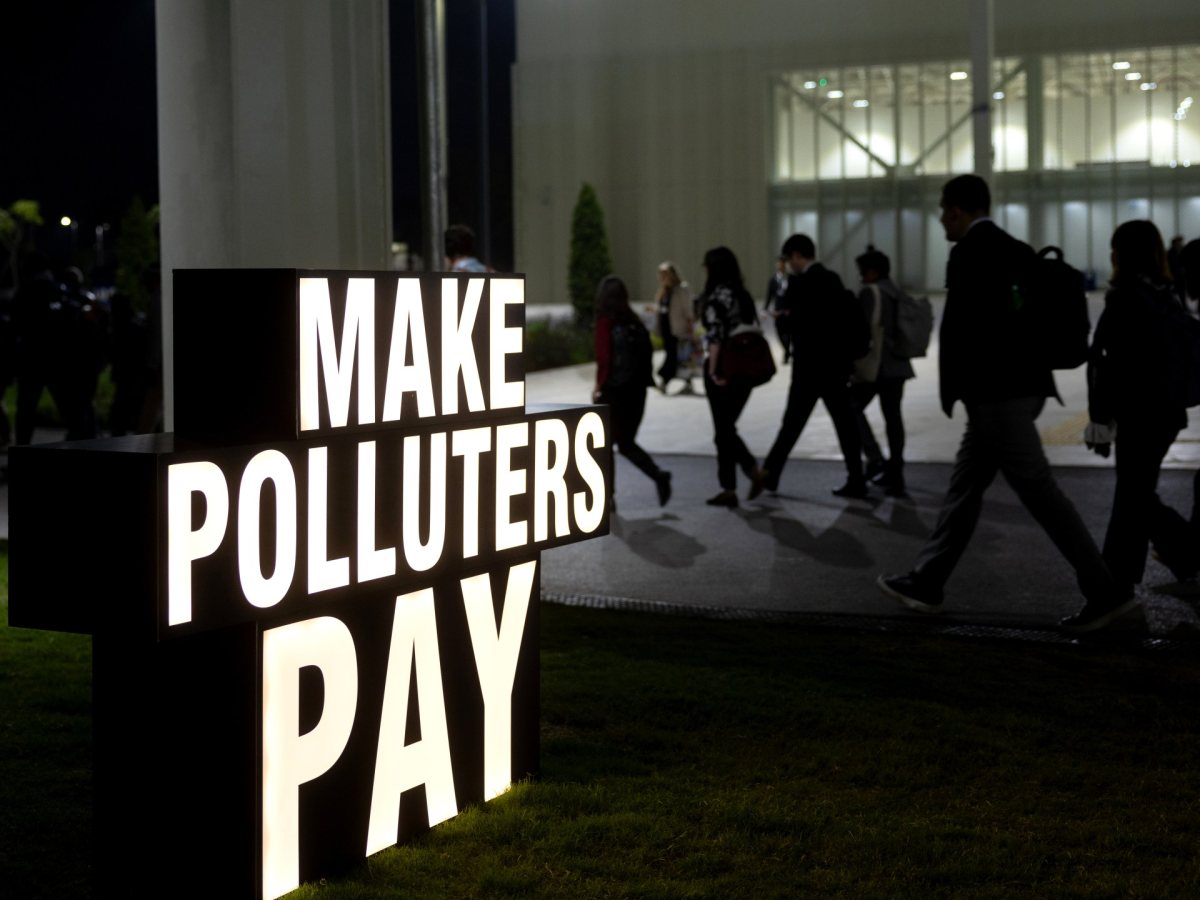
Divisions among countries at the United Nations COP31 climate summit in Turkiye have widened after the release of a draft agreement that calls for a phaseout of fossil fuels, according to Al Jazeera.
The 18-page draft "cover decision", published on Monday by summit cohost Australia, sets out a wide range of demands. Among them is a call for wealthy nations to reach net zero emissions by 2030, along with language on ending fossil fuel use that oil-producing states have long opposed.
EU warns of 'untenable' talks
The European Union's climate envoy, Wopke Hoekstra, warned that the text in its current form could make the negotiations "untenable". He said the cover decision was heading in the wrong direction and required significant changes.
Brazil's environment minister, Joao Paulo Capobianco, struck a more conciliatory tone. He noted that it was easy for parties to set red lines early in the process, and suggested that deadlocks could be resolved by adjusting the draft's wording.
Australian Climate Minister Chris Bowen, who is steering the negotiations, conceded that the text contained elements not all parties supported. He indicated that at least one more draft could be tabled before the end of the week.
The talks are due to close on Friday. However, UN climate negotiations frequently overrun because decisions require consensus, meaning a single country can block an entire agreement.
Small islands push for stronger commitments
Michael Joseph, environment minister of the Caribbean island state of Antigua and Barbuda, said agreement on net zero emissions could prove extremely difficult. He added that he would welcome a commitment to phase out fossil fuels.
An anonymous European official, speaking to the AFP news agency, accused emerging economies of trying to load as many obligations as possible onto developed countries, describing the approach as tactical. The official called the demands unacceptable, pointing to a negotiating bloc whose members include Saudi Arabia and India.
Row over IPCC report timing
Saudi Arabia is also at the heart of a separate dispute over when the Intergovernmental Panel on Climate Change (IPCC) should publish its seventh assessment report.
Dozens of European, African and Pacific states want the reports released before the next major review of global emissions-cutting efforts, scheduled for the COP33 conference in 2028.
The IPCC issues its assessment reports every five to seven years. They are regarded as the authoritative scientific account of global warming and guide international climate policy.
The panel suspended its most recent meeting after failing to resolve the deadlock, and a fresh session has been scheduled for December. Ilana Seid, chair of the Alliance of Small Island States, described the delays as "unjustifiable".
The issue has become one of the central points of contention at COP31.
Riyadh rejects accusations
On Tuesday, the Saudi delegation issued a statement defending its stance. "Saudi Arabia is not seeking to delay climate science," the statement said.
The kingdom said it favours publication timelines that allow for adequate scientific review, transparency and meaningful participation. It did not specify when it would like the reports to be released.
With days left before the scheduled close, negotiators face pressure to bridge the gaps if a final agreement is to be reached.
This story was prepared by the Hamasta Newsdesk with AI assistance, based on reporting by Al Jazeera. Read the original report. Photo: Al Jazeera.



Know what people say about you.
Media monitoring, audience insights and strategic communication for your brand.


More in Environment
See all
William and Kate name Bhutan among five Earthshot Prize winners in Mumbai
Nairobi's 'Green City in the Sun' title at risk as construction boom fells trees

Green Belt Movement Rejects Plan for Crematorium at Nairobi City Park
Kenya Met: Rain expected in 36 counties as north braces for heat above 35°C
Kenya Met forecasts rain in coastal, western and Nyanza counties on November 17
Global Community Remarks
0