
Sh801 million for ODM, Sh788 million for UDA, and county offices that exist only on paper: How 47 parties shared Sh2.26 billion of your taxes
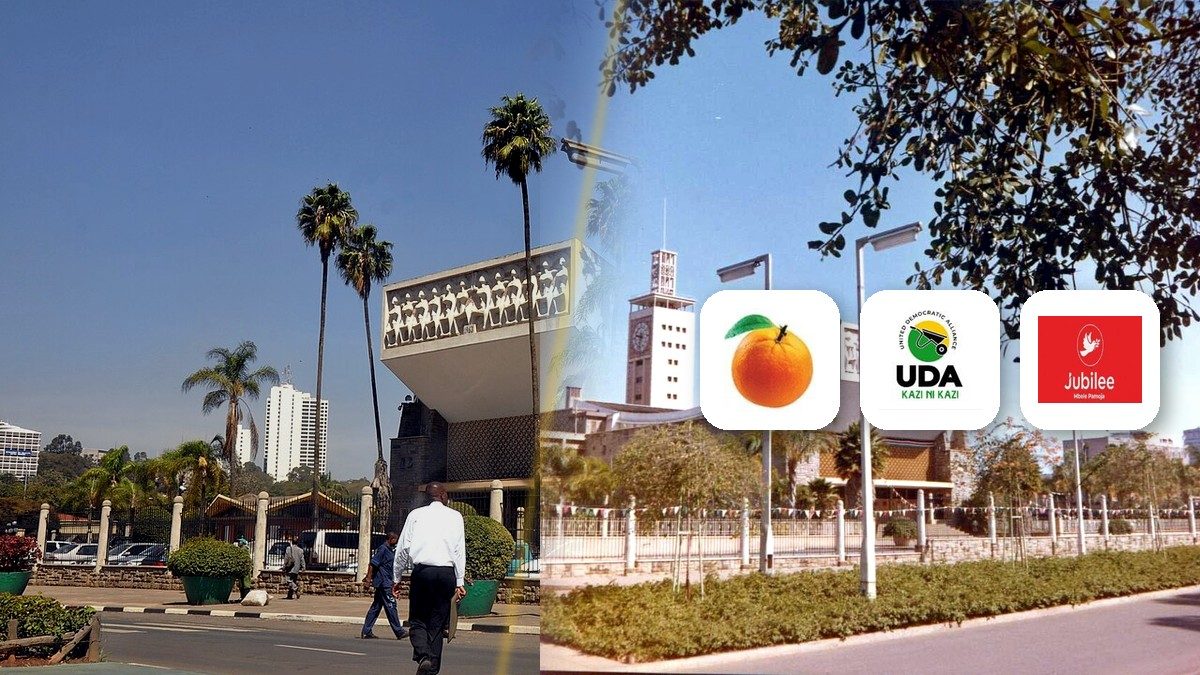
Three political parties walked away with nearly four of every five shillings that taxpayers gave to Kenya's political parties in the year to June 2026, and auditors say many of the parties being funded barely exist outside their headquarters.
A report by the Office of the Registrar of Political Parties tabled in the National Assembly shows 47 parties that took part in the 2022 General Election received a combined Sh2.26 billion in the 2025-26 financial year, the Nation reported. The Mount Kenya Times also carried the figures.
Who got what
Raila Odinga's former party, now led by Dr Oburu Oginga, topped the list. ODM was allocated Sh421.22 million, then received a supplementary Sh380 million, the only party to get one, plus a balance of Sh634,896 brought forward, taking its total to Sh801.85 million.
- ODM: Sh801.85 million
- UDA: Sh788.74 million
- Jubilee Party: Sh184.89 million
- Wiper: Sh98.81 million
- DAP-Kenya: Sh43.20 million
- UDM: Sh36.83 million
- Ford-Kenya: Sh35.33 million
- Kanu: Sh32.89 million
Together, ODM, UDA and Jubilee took 79 per cent of the money. The Devolution Empowerment Party (Sh18.83 million) and Maendeleo Chap Chap (Sh17.25 million) were the other parties to receive double-digit millions. The report puts the base allocation for all 47 parties at Sh1.98 billion, and the base figures match a Kenya Gazette notice published in September 2025, which K24 Digital reported at the time.
How the money is shared
Under the Political Parties Act, 70 per cent of the fund is shared according to the votes each party won in the last general election and 15 per cent according to elected candidates from special interest groups. Another 10 per cent follows the number of elected MPs, senators, governors and MCAs, and 5 per cent covers the Registrar's administrative costs.
Billions short, offices on paper
The money parties received may have been far less than the law requires. Auditor-General Nancy Gathungu says the Act sets the fund at not less than 0.3 per cent of the national government's share of revenue. With that share at Sh2.33 trillion, the fund should have received about Sh6.997 billion. Her report puts the shortfall at about Sh4.6 billion.
"The underfunding may have negatively affected the planned activities for the 47 eligible political parties that were to receive the fund," the audit report says.
The audit also questions whether parties have the national presence the law demands. To be fully registered, a party must list branch offices in more than half of the counties. A verification exercise in March 2024 found that most parties did not have offices in more than half of the counties, and that the fund had not independently verified them.
Parties blamed low funding, saying they could not afford rent or staff and had to rely on volunteers, according to the report.
The figures land as parties start preparing for the August 2027 General Election, when money for county structures, agents and campaigns will matter most.
Photos: Kenyan parliament in Nairobi and Parliament Buildings, Nairobi (Flickr users, CC BY-SA 2.0, via Wikimedia Commons); party logos: Office of the Registrar of Political Parties. Thumbnail design: HAMASTA MEDIA.

Tell your story on screen.
Commercials, documentaries, interviews and social video, from script to final cut.





More in Politics
See all
Kenyans to Vote for Best Govt Agencies in 2026 Public Service Awards
Gachagua mocks Ruto's 'Usawa ni Sawa' over appointments he calls tribal
KNCHR Names Dr Mary Kimari as New CEO, Succeeding Dr Benard Mogesa
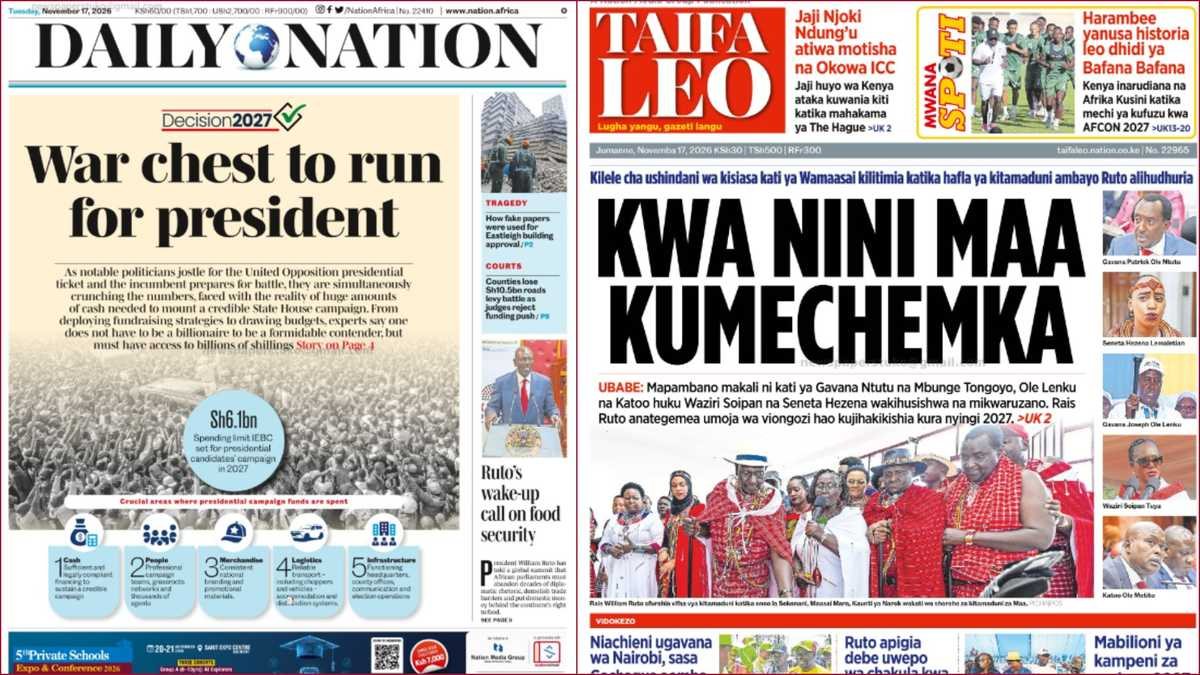
2027 presidential bid could cost up to KSh 20bn, far above IEBC's KSh 6.1bn cap
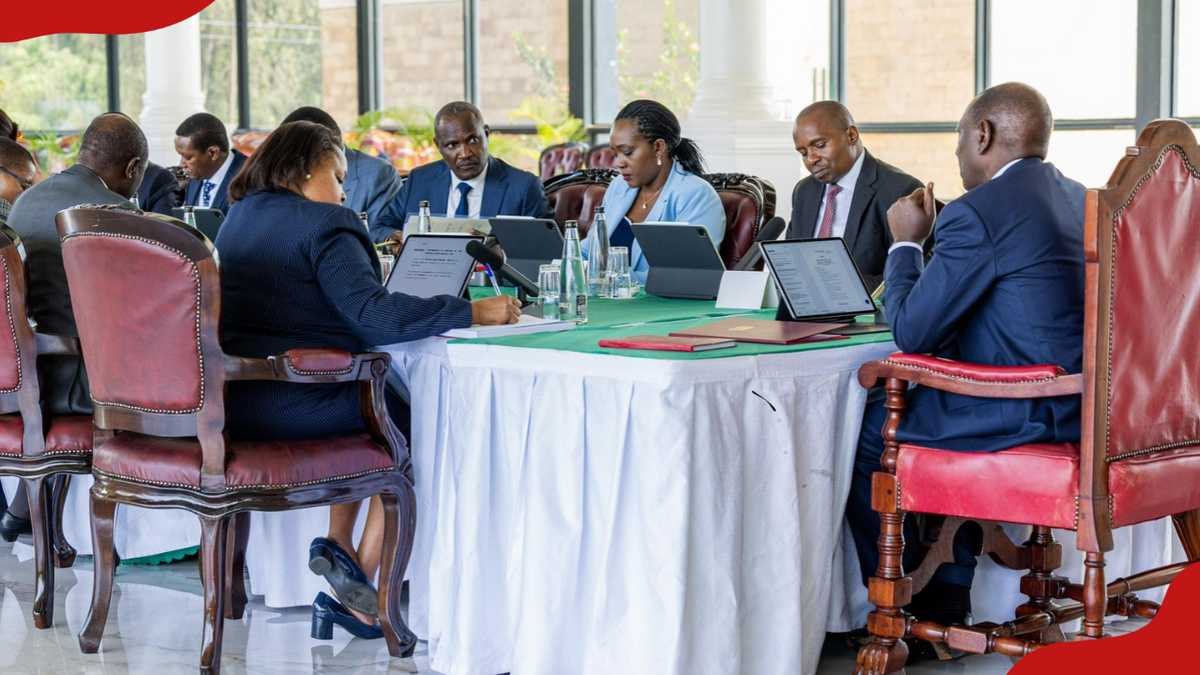
Ruto adviser Jaoko Oburu Odinga to quit State House job, eyes Bondo MP seat in 2027
Global Community Remarks
0