
Ukraine says Russia is targeting rescuers after 'double-tap' strike killed 72
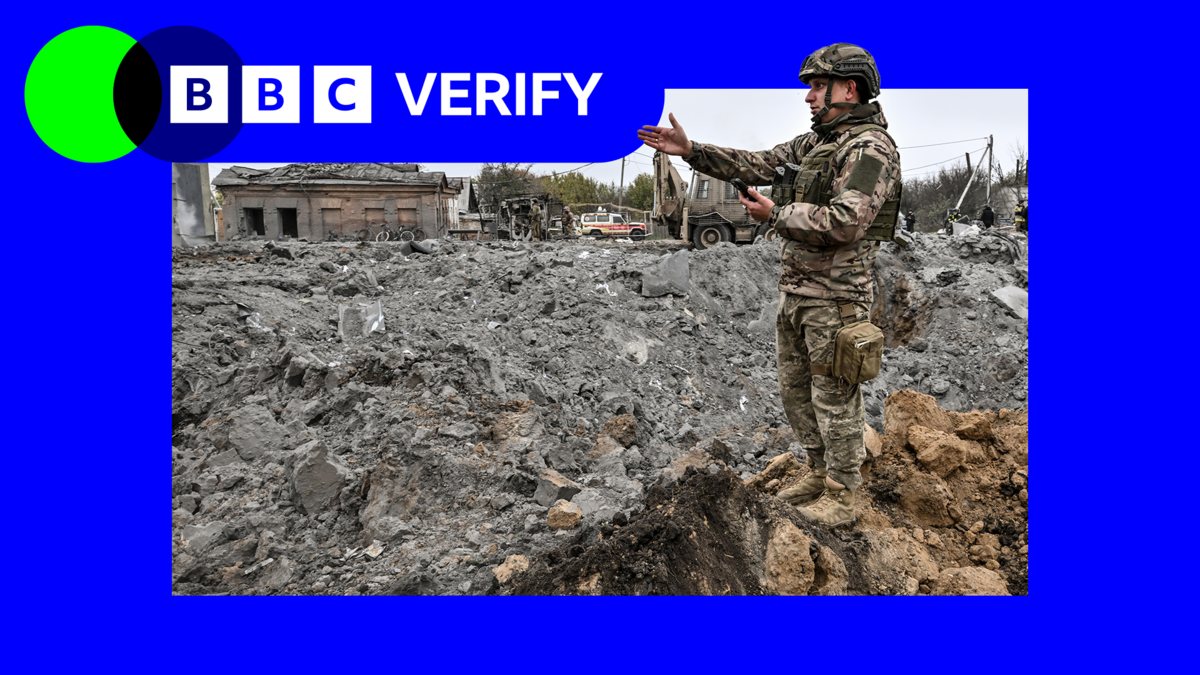
Ukrainian authorities have accused Russia of deliberately attacking rescue and recovery teams in the southern village of Komyshuvakha, two weeks after a 'double-tap' strike there killed at least 72 people, according to BBC News World.
Ukraine says Russian forces struck a humanitarian aid centre in the village twice in quick succession on 2 November. The second attack allegedly involved a 3,000kg aerial bomb dropped on an underground shelter where residents had gone for safety.
The death toll makes it one of the deadliest single incidents since Russia began its full-scale invasion of Ukraine in February 2022, the State Emergency Service of Ukraine (DSNS) said.
Rescuers under fire
The DSNS told BBC Verify that Russia had launched several strikes on the site while rescue work was under way. Three police officers, four workers and two rescue dogs were injured, and five vehicles were damaged, the agency said.
It added that the threat of renewed shelling repeatedly forced emergency crews to halt operations and withdraw to safety. Verified images from the days after the attack show damaged emergency vehicles and excavation machinery at the scene.
Videos released by Ukrainian police and confirmed by BBC Verify show rescue workers shouting warnings about a drone and running for cover the day after the attack, while another group treats an injured person.
An officer with Ukraine's SBU security service, identified only as Oleksiy, said the rescue vehicles were clearly marked and accused Russia of deliberately destroying humanitarian equipment. He said bodies still lay beneath the rubble and that the remaining residents and the village's infrastructure were being systematically hit by drones and bombs.
"The enemy knows perfectly well that what is being carried out there is essentially a humanitarian operation," Oleksiy said.
How the attack unfolded
Residents had gathered at the shelter area after a local Telegram group announced that aid would be handed out between 10:00 and 12:00 local time. Ukrainian officials say a first strike at 09:45 hit buildings above ground and killed one woman.
Police bodycam footage, analysed by BBC Verify, shows people attempting to free a woman from the rubble before concluding she had died. Warnings of a second strike grow more urgent over police radios until those present are told to run to the underground shelter. About an hour after the first attack, the footage shows people waiting silently inside before a large explosion is heard and the video cuts out.
Later footage shows bodies being pulled from a large crater directly above the shelter. Funerals have taken place almost daily, including for aid workers, residents collecting aid and soldiers who officials say came to help with rescue efforts.
Weapon and legal questions
Trevor Ball, a bomb disposal expert at Armament Research Services, said the crater was consistent with a FAB-3000, a 3,000kg Russian bomb capable of destroying underground structures. Former UK National Crime Agency investigator Chris Proops said the damage matched the weapon's size. Both said photographed fragments appeared to include part of a guidance kit compatible with the bomb.
International law experts told BBC Verify that knowingly attacking rescue workers would amount to a war crime. Prof Ben Saul of the University of Sydney said the strike appeared to be either a deliberate or an indiscriminate attack, both of which are war crimes. Prof Samuel Moyn of Yale University said directly targeting rescuers or their equipment was a gross violation of international humanitarian law.
Russia's position
Russia's Ministry of Defence did not respond to BBC Verify's request for comment on Komyshuvakha. A general statement it issued on 2 November said it had hit energy and transport infrastructure used by Ukraine's military.
The village has no military or industrial facilities but lies near a key route used for Ukrainian troop movements, supplies and evacuations. It was reportedly struck by Russian forces on 28 October as well.
This story was prepared by the Hamasta Newsdesk with AI assistance, based on reporting by BBC News World. Read the original report. Photo: BBC News World.


Take your event live to thousands.
Multi-camera live streams, panel discussions and digital broadcasts with professional crews.




More in International
See all
Canada and China agree new tariff cuts as both look to reduce reliance on US
Chivayo helicopter crash: Report says aircraft flew into fog, no mechanical fault found
Mongolia's President Khurelsukh to resign over railway corruption claims
Botswana's Boko and Ivory Coast's Ouattara sign mining, energy and trade deals
Muhoozi back on X, warns media of 10-year jail terms over criticism of Museveni

Global Community Remarks
0