
New TSC CEO Ayabei is first person with a disability to lead the commission
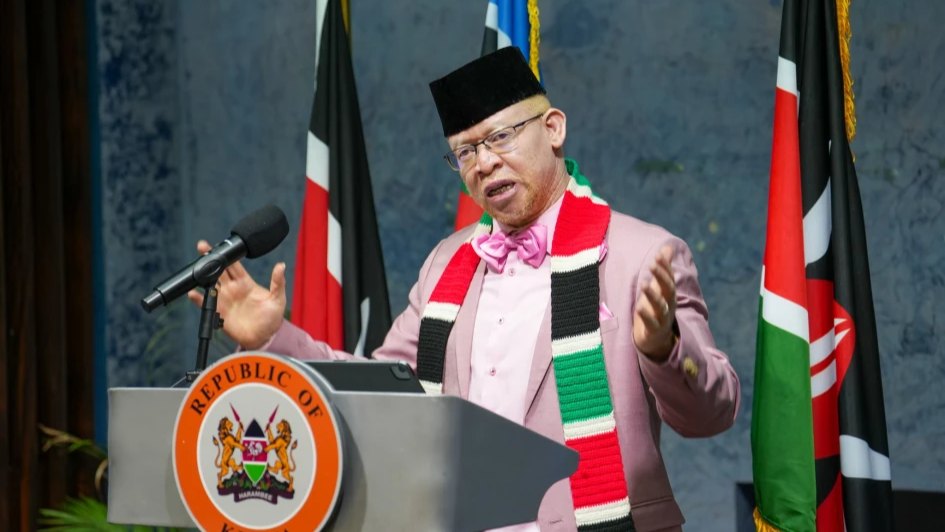
The Head of the Office of Diversity, Inclusion and Disability Rights, Isaac Mwaura, has urged political leaders to abandon ethnic considerations when debating public appointments, arguing that qualified persons with disabilities should be given equal opportunities to occupy influential government positions.
Speaking during a press briefing at Harambee Annex in Nairobi, Mwaura defended the appointment of Cheptumo Ayabei as the new Chief Executive Officer of the Teachers Service Commission (TSC). He maintained that the appointment should be assessed based on Ayabei’s professional qualifications, experience and performance rather than his ethnic background or disability.
Responding to criticism surrounding the appointment, Mwaura insisted that disability should not be treated as a barrier to leadership, declaring that Ayabei’s tribe was disability.
He further criticised attempts by political leaders, particularly those in the opposition, to introduce ethnic politics into discussions about public appointments. According to Mwaura, such arguments undermine efforts to promote equality and reinforce the marginalisation of groups that have historically struggled to secure representation in senior government offices.
Mwaura also disclosed that Ayabei had previously emerged as the leading candidate in an earlier TSC recruitment process that eventually saw Nancy Macharia appointed as CEO. He claimed that gender considerations influenced the final decision in favour of Macharia at the time.
Ayabei’s appointment represents a significant development in Kenya’s public service, as he becomes the first person with a disability to lead the TSC since independence. He also makes history as the first person with a disability to head an independent or constitutional commission in the country.
The appointment has once again brought into focus the need for greater inclusion of persons with disabilities in public leadership and decision-making institutions.
Article 54(2) of the Constitution of Kenya requires the State to ensure that at least five per cent of members of elective and appointive bodies are persons with disabilities, a provision intended to strengthen their representation in public affairs.
Mwaura described Ayabei’s appointment as an important step towards achieving meaningful inclusion, noting that persons with disabilities should not only be represented in public institutions but should also have the opportunity to occupy leadership positions, shape government decisions and contribute to national policy development.



Know what people say about you.
Media monitoring, audience insights and strategic communication for your brand.


More in Special Report
See all
TENSION ERUPTS AT SEKENANI DURING MAA CULTURAL WEEK CELEBRATIONS.
PS Raymond Omollo Calls for Accountability in Missing Persons Cases

Upper Elgons–Nyabundi Road: Progress and Challenges

Priest Dies After Massive Crucifix Falls On Him During Mass In Ecuador

Babu Owino Claims 90% Accuracy in KCSE Mathematics Predictions
Global Community Remarks
0