
US widens social media checks to journalist and USMCA professional visa applicants
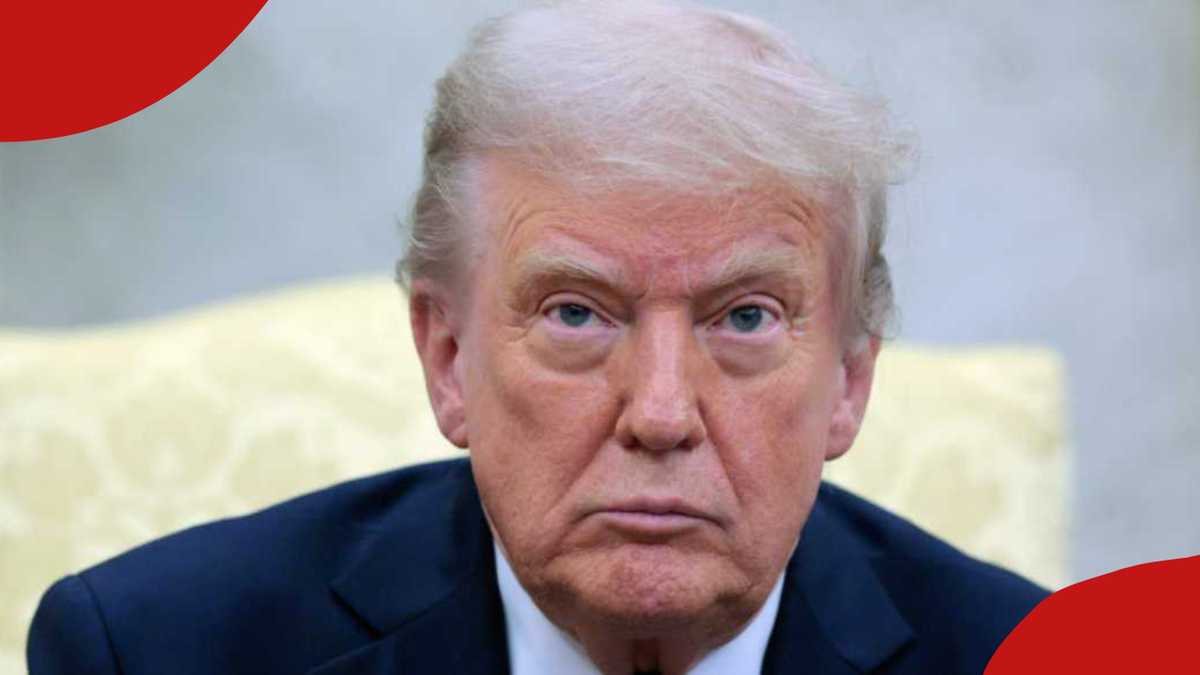
The United States has extended its social media screening rules to three more visa categories. Foreign journalists and some professionals now have to make their online profiles publicly visible before their applications can be assessed.
According to Tuko, the US Department of State said the new requirement took effect on 1 October 2026. It covers applicants for the I visa, which is issued to foreign media representatives. It also covers the TN and TD visas, which serve professionals and their dependants under the United States-Mexico-Canada Agreement (USMCA).
Profiles must be set to public
Applicants in these categories must change the privacy settings on their social media accounts to "public" or "open". This allows US consular officers to carry out the required checks.
The department first published the change in an announcement on 18 September 2026. It said the review is meant to help officials judge whether applicants are eligible. The checks also allow officers to conduct security vetting before deciding on a visa.
For journalists, including those from Kenya and elsewhere in Africa who travel to the US on assignment, this adds a new step to the I visa process.
Building on existing rules
The expansion adds to a screening system that already requires social media reviews for several other nonimmigrant visa types. According to the report, these include:
- Student visas: F-1, M-1, F-2 and M-2
- Temporary worker and trainee visas: H-1B, H-3 and H-4
- Exchange visitor visas: J-1 and J-2
- Fiancé and dependent visas: K-1, K-2 and K-3
- Certain diplomatic and official visas: A-3, C-3 and G-5
- Religious occupation visas: R-1 and R-2
- International cultural exchange visas: Q
- Visas for certain witnesses, informants and victims: S, T and U
With the latest change, more groups of foreign professionals and media workers now fall under the same online vetting process.
National security framing
The State Department said it uses all available information when reviewing visa applications. The aim is to identify people who may not be eligible to enter the country, including anyone seen as a possible threat to national security or public safety.
The department described visa decisions as matters of national security. It said every applicant must show they meet the requirements of the category they are applying under.
It added that screening is meant to establish whether an applicant could pose a risk to Americans or act against US interests. The same strict standards, it said, are applied across all visa categories.
No guarantee of approval
Making an account public does not guarantee a visa. Applicants still have to meet all the other eligibility and security conditions for their chosen category.
Travellers planning trips to the US under the affected categories are advised to check the State Department's official guidance before applying.
This story was prepared by the Hamasta Newsdesk with AI assistance, based on reporting by Tuko. Read the original report. Photo: Tuko.

Tell your story on screen.
Commercials, documentaries, interviews and social video, from script to final cut.





More in International
See all.jpeg)
Xi, Trump and Putin share stage in Shenzhen ahead of rare trilateral summit
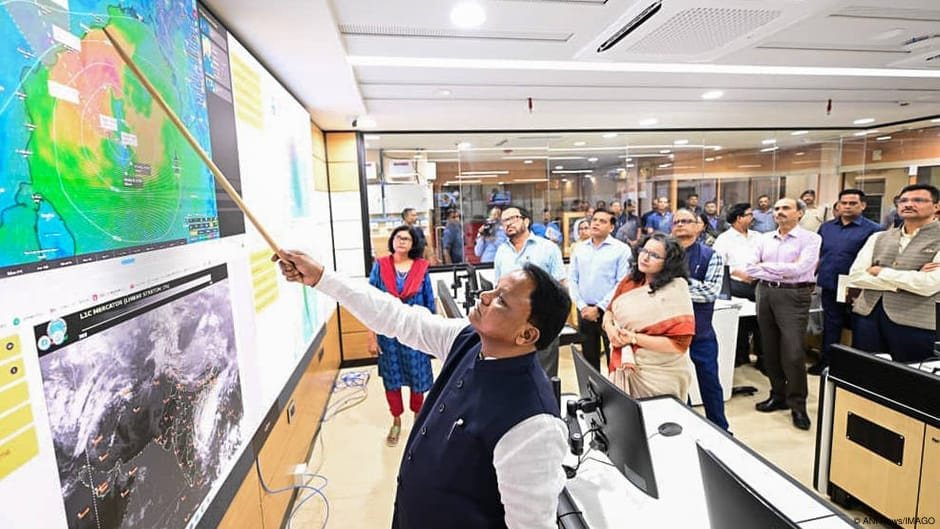
India evacuates nearly 50,000 as Cyclone Akvan heads for east coast
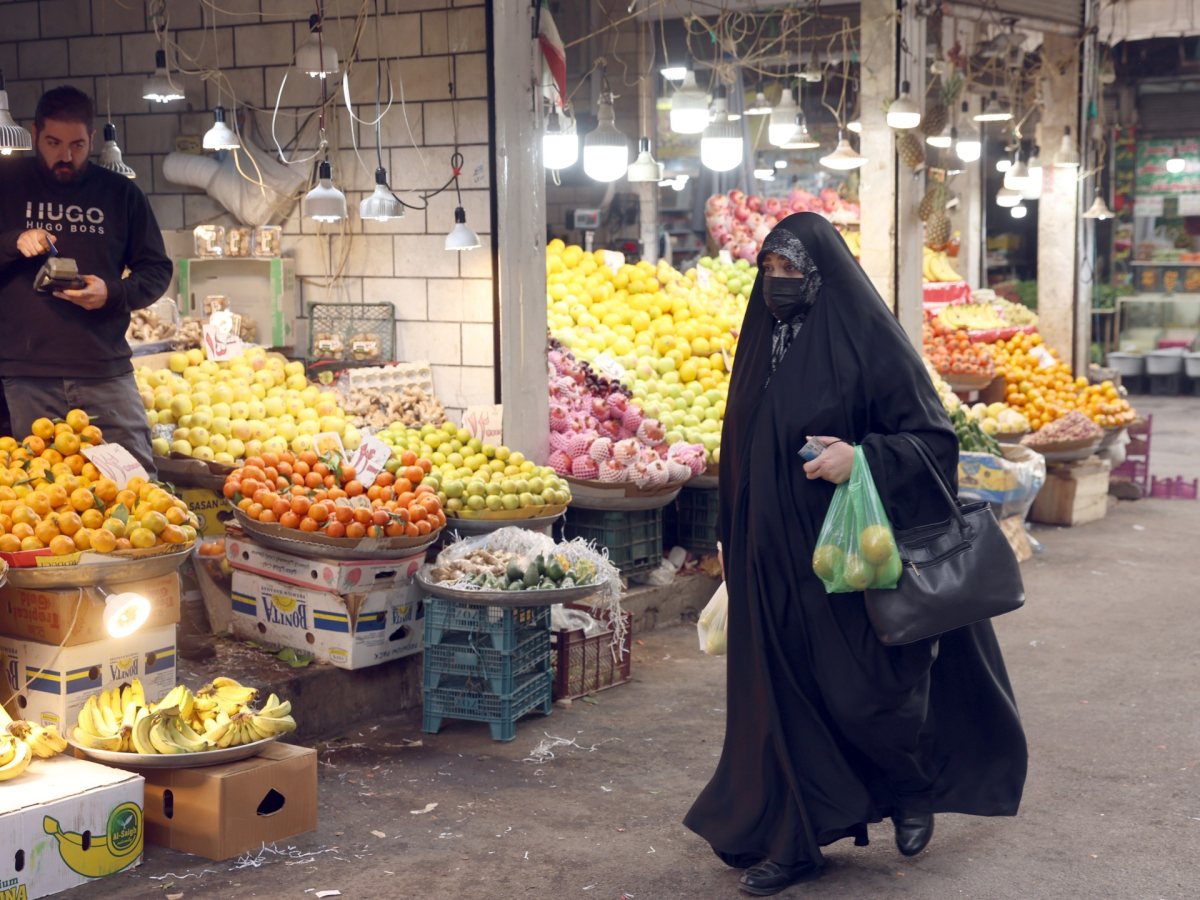
Iran's economy reels under US blockade as Tehran insists it can hold out
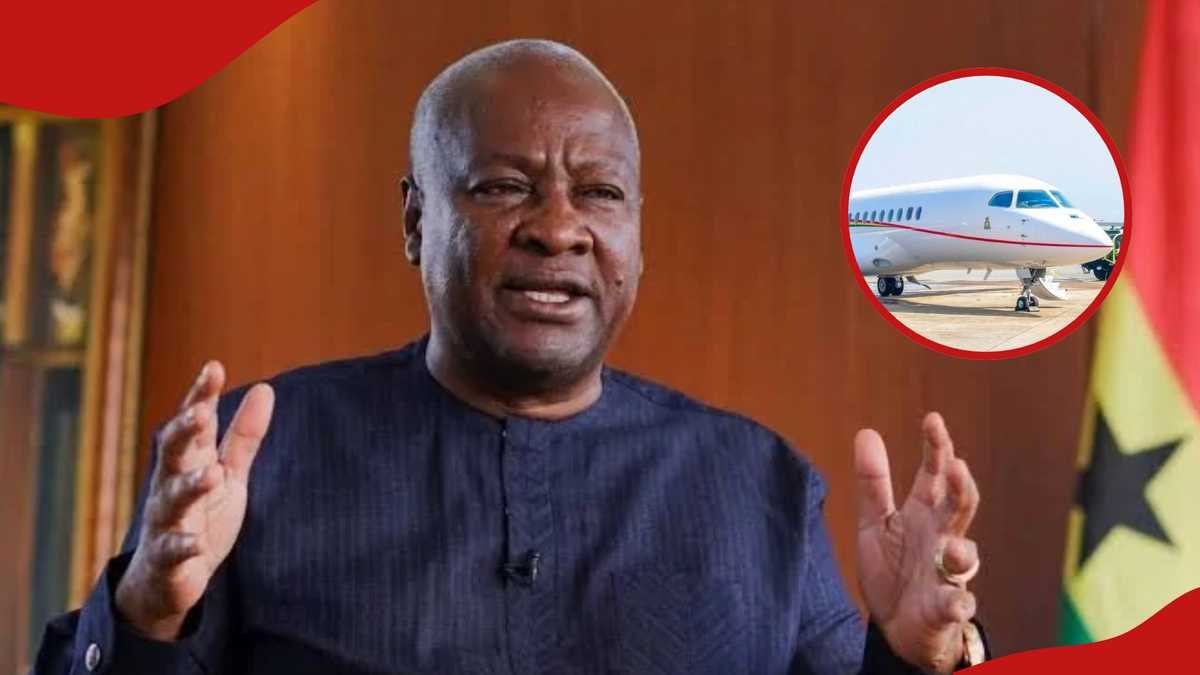
Ghana's KSh 7.8b Falcon 6X presidential jet for Mahama sparks political row
Riyadh's PIF Tower damaged as Saudi Arabia reports fresh Houthi missile attacks
Global Community Remarks
0