
Iran's economy reels under US blockade as Tehran insists it can hold out
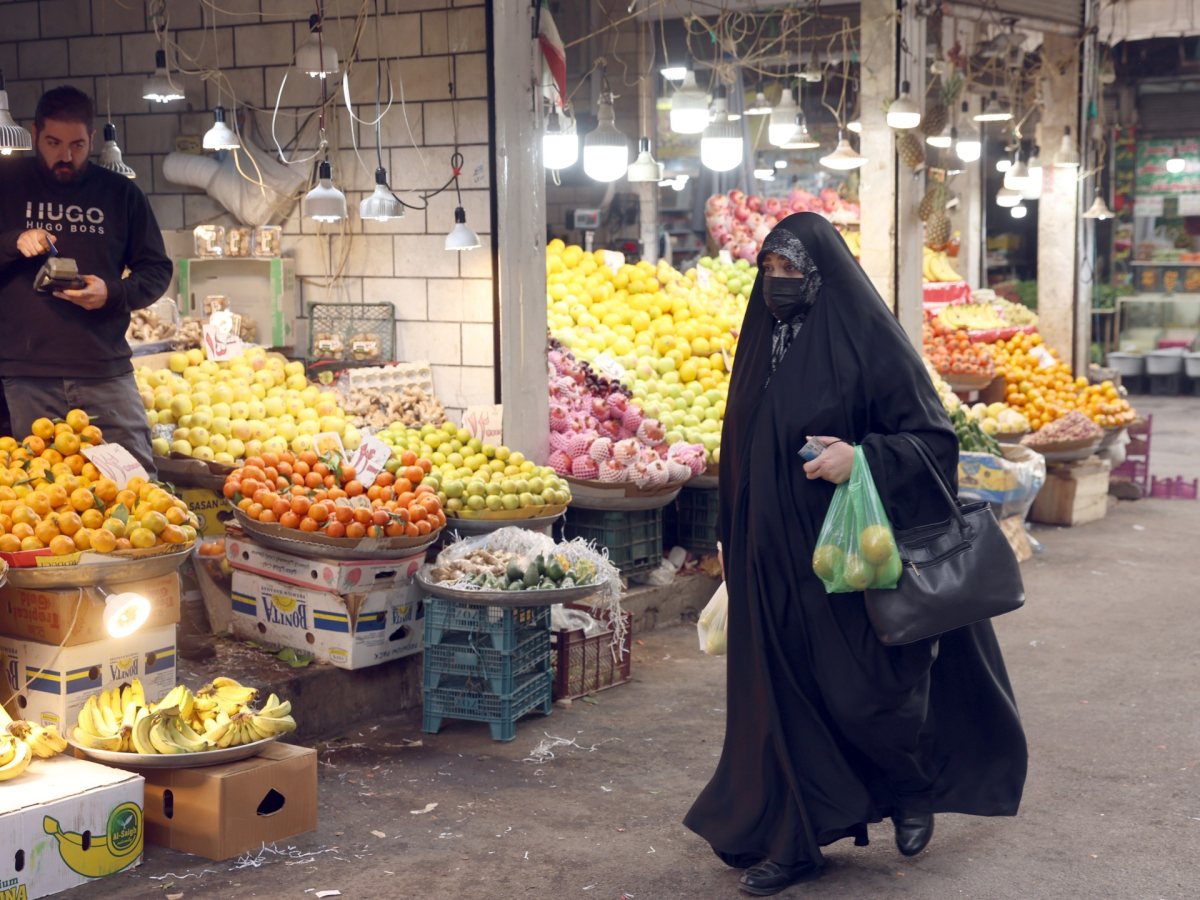
Iran's economy is set to shrink further under a United States naval blockade of its ports, deepening hardship for millions of ordinary Iranians, but analysts say it is still too early to tell whether the pressure will achieve Washington's aims, according to Al Jazeera.
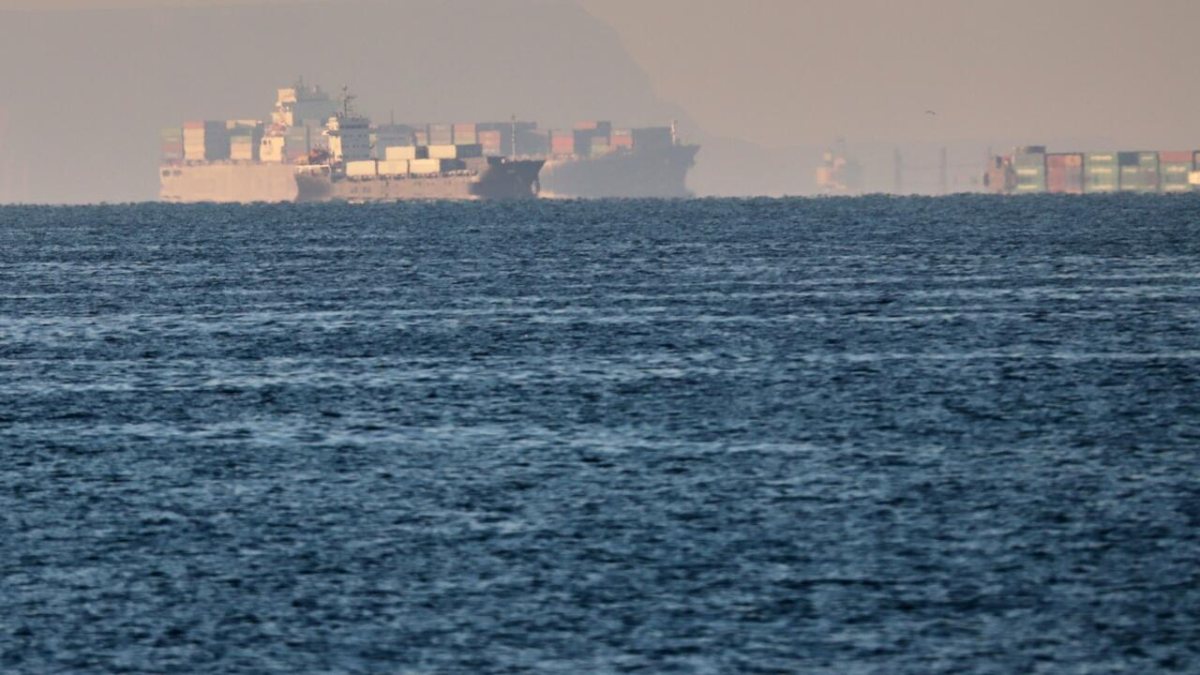
The US says its blockade, together with disruptions to overland trade and sanctions under its maximum pressure campaign, is working. Washington has also moved a third aircraft carrier into the region, a step seen as preparation for possible military escalation aimed at pushing Tehran to give in to its demands.
Those demands followed a deadlock in the US-Israel war on Iran, which began on February 28 with strikes that killed Iran's Supreme Leader, Ayatollah Ali Khamenei. Washington wants Tehran to reopen the Strait of Hormuz and rein in its nuclear programme.
Tehran strikes a defiant tone
Iranian officials maintain the country can survive the squeeze and have tabled demands of their own. Strikes this week on US interests in the region, including radar systems in Bahrain, have been interpreted as a show of defiance.
Central Bank Governor Abdolnaser Hemmati dismissed claims by US Treasury Secretary Scott Bessent, who leads Washington's sanctions drive, drawing on a Persian proverb that it is "too early to talk about winter". Hemmati said the central bank had secured $30bn in foreign currency to see the country through the coming months, with priority given to buying essential goods.
Economy Minister Ali Madanizadeh accused American officials of shifting from talk of collapse to military threats and heavier economic pressure. He said all land routes into and out of Iran remained open, apart from one crossing with Iraq closed for security reasons.
Inflation spirals
Official data paint a grim picture. Figures from the Statistical Centre of Iran show that the 12-month average annual inflation rate stood at 76.8 percent in the Iranian month ending October 22, while point-to-point inflation reached 88.7 percent. Prices of food, beverages and tobacco rose 113.4 percent year on year in October.
Iran's own figures show gross domestic product contracted by 10.1 percent year on year in the first quarter of the Persian calendar year, from March 21 to June 20. Bessent has predicted a 25 percent contraction by the year ending March 2027.
Tehran-based economist Peyman Molavi told Al Jazeera that inflation could climb sharply if conditions persist, hitting currency, gold, stock and housing markets, but weighing hardest on commodities such as energy, food, metals and industrial goods.
Iranian governments have for decades covered budget gaps by printing money, fuelling chronic inflation. Lost oil revenue under the blockade has worsened the foreign currency shortage. Molavi estimates money supply growth could rise from nearly 51 percent to 55-60 percent by late March, with annual inflation potentially reaching about 85 percent and point-to-point inflation 100 percent.
Shoppers and traders feel the strain
Iranian social media is filled with accounts of collapsing purchasing power in a country of about 90 million people. One user on X wrote that goods could have been bought for a fifth of the price a year ago.
Saleh, a 37-year-old trader in electric motors at Tehran's Grand Bazaar, told Al Jazeera that goods remain available but trade has slowed amid high prices and uncertainty. He said he now sells three or four items where he once sold ten, though price rises have preserved some profit. He did not see the market close to collapse, he added, and businesses with loyal clients were coping better.
Soviet comparison questioned
Bessent has described the situation as "one of the fastest collapses in history" and likened it to the Soviet Union's economic decline before its 1991 break-up.
Molavi cautioned that the two economies are fundamentally different, so a swift collapse is not guaranteed. However, he noted that Iran's nominal GDP has fallen from $645bn in 2012 to about $300bn, and warned that underinvestment, halted oil sales and disrupted exports would push growth further into negative territory.
This story was prepared by the Hamasta Newsdesk with AI assistance, based on reporting by Al Jazeera. Read the original report. Photo: Al Jazeera.



Know what people say about you.
Media monitoring, audience insights and strategic communication for your brand.


More in International
See all
Ghana's KSh 7.8b Falcon 6X presidential jet for Mahama sparks political row
Riyadh's PIF Tower damaged as Saudi Arabia reports fresh Houthi missile attacks
Over 11,000 migrants reach Spain's Canary Islands in first half of November

Tanzania's New KSh 6.1b Ferry MV Mwanza Hits Rock on Lake Victoria During Trials
IEA: Hormuz crisis is the biggest threat to global energy security on record

Global Community Remarks
0