
Trump heads to APEC in Shenzhen for Xi talks and possible three-way summit with Putin
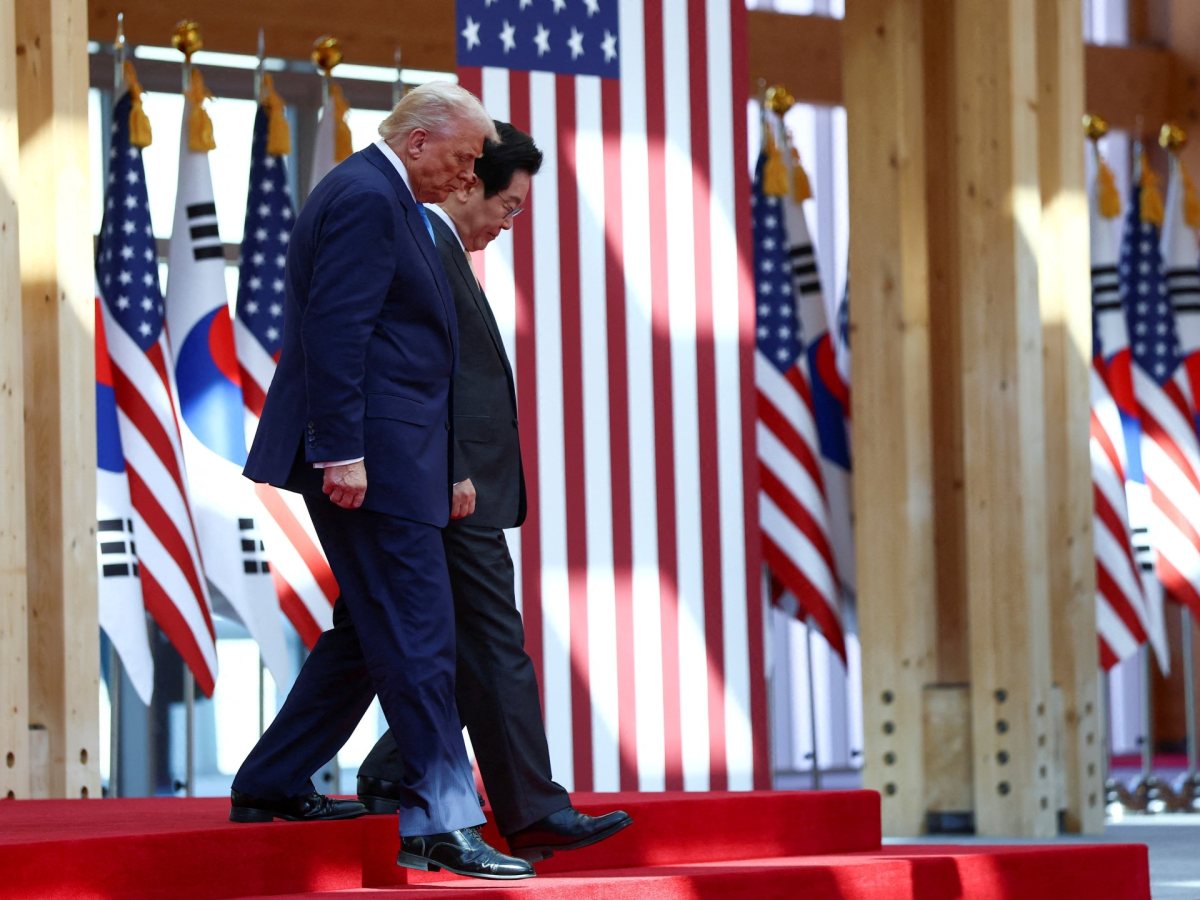
United States President Donald Trump is set to attend the Asia-Pacific Economic Cooperation (APEC) summit in Shenzhen, China, this week, where he is expected to hold talks with Chinese President Xi Jinping and a possible three-way meeting that would also bring in Russian President Vladimir Putin, according to Al Jazeera.
A meeting with Xi on the margins of the gathering, which brings together 21 Pacific Rim economies, would be the third between the two leaders this year. Xi hosted Trump in Beijing in May, and Trump returned the gesture at the White House in September. Both encounters were long on ceremony but short on concrete results, and analysts expect much the same in Shenzhen.
Changed political landscape at home
The trip comes days after Democrats won firm control of both chambers of the US Congress, a result expected to restrain Trump during his last two years in office. Beijing, according to Al Jazeera, is increasingly looking past the Trump era.
Ali Wyne, who advises on US-China relations at Crisis Group, said Trump would try to deepen his rapport with Xi but that substantive breakthroughs were unlikely.
No formal agenda has been published, although the White House has said the two countries will back each other at APEC and at the G20 summit in Florida in December.
AI and the Nvidia scandal
Artificial intelligence is again expected to feature. In September, the two sides pledged to create a channel for quickly reporting AI-related incidents and to hold talks on emerging risks. Trump, however, has said the US will not slow down its AI industry. Treasury Secretary Scott Bessent said last week that the two powers plan to share practices for testing advanced models before release, while cautioning that their approaches will not always align.
Hanging over the talks is the recent resignation of Nvidia chief executive Jensen Huang, which followed revelations of an affair with an alleged Chinese spy, Alice Huang. China denies she worked for it. The case has raised questions about Huang's influence as he lobbied to ease curbs on advanced chip sales to China, and Commerce Secretary Howard Lutnick has faced scrutiny, including from Republicans, over reportedly weak enforcement of export controls. Reuters reported that US officials do not expect Trump to raise the matter with Xi.
Taiwan arms package on hold
Trump has already departed from long-standing US policy on Taiwan. After the May summit he said he had discussed arms sales to the island with Xi, despite a 1982 US commitment not to consult Beijing on such sales. He later called Taiwan a negotiating chip and has held up a $14bn arms package. The White House cites limited production capacity, including amid the US-Israel war with Iran, and the sensitivity of the trade truce.
Analysts at The German Marshall Fund warned that this approach invites Beijing to expect concessions for each future approval. A Democrat-led Congress, alongside broad bipartisan support for Taiwan, may increase pressure on the issue. Taiwan will be represented in Shenzhen by Acer founder Stan Shih.
Trade truce and rare earths
Tariffs between the two economies spiralled early in Trump's second term, reaching 145 percent on Chinese goods and 125 percent on US goods by April. A truce agreed in Busan, South Korea, last October has since been extended to January 10, 2027.
Yet a Center for Strategic and International Studies analysis found US imports of Chinese rare earths remain about 75 percent below pre-restriction levels. China has agreed to buy 25 million tonnes of US soya beans and, according to the White House, $17bn a year in US farm goods from 2026 to 2028.
A boost for Putin
The most consequential moment may be a trilateral meeting. Putin's adviser Yury Ushakov said its significance was hard to overstate. Ryan Hass of the Brookings Institution wrote that such a meeting would present Putin as a major player rather than "a pariah", while allowing Xi to act as convener.
The White House says Trump will focus on denuclearisation, but experts say his gains are less clear. Wyne warned that the meeting could further unsettle US allies wary of an informal arrangement among the big powers that sidelines others.
This story was prepared by the Hamasta Newsdesk with AI assistance, based on reporting by Al Jazeera. Read the original report. Photo: Al Jazeera.


Take your event live to thousands.
Multi-camera live streams, panel discussions and digital broadcasts with professional crews.




More in International
See all.jpeg)
Xi, Trump and Putin share stage in Shenzhen ahead of rare trilateral summit
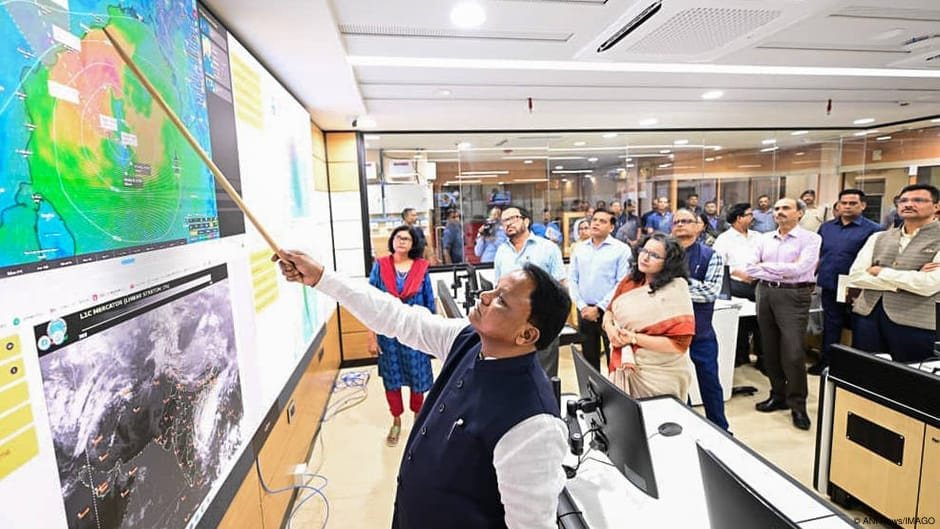
India evacuates nearly 50,000 as Cyclone Akvan heads for east coast

Iran's economy reels under US blockade as Tehran insists it can hold out
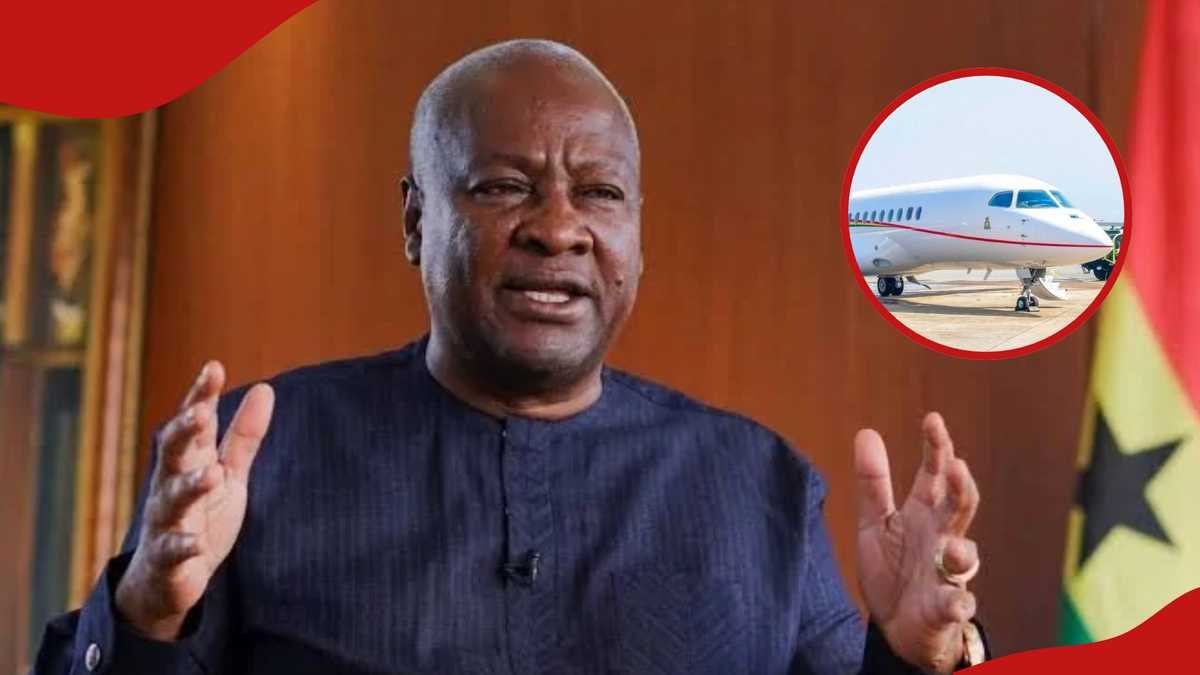
Ghana's KSh 7.8b Falcon 6X presidential jet for Mahama sparks political row
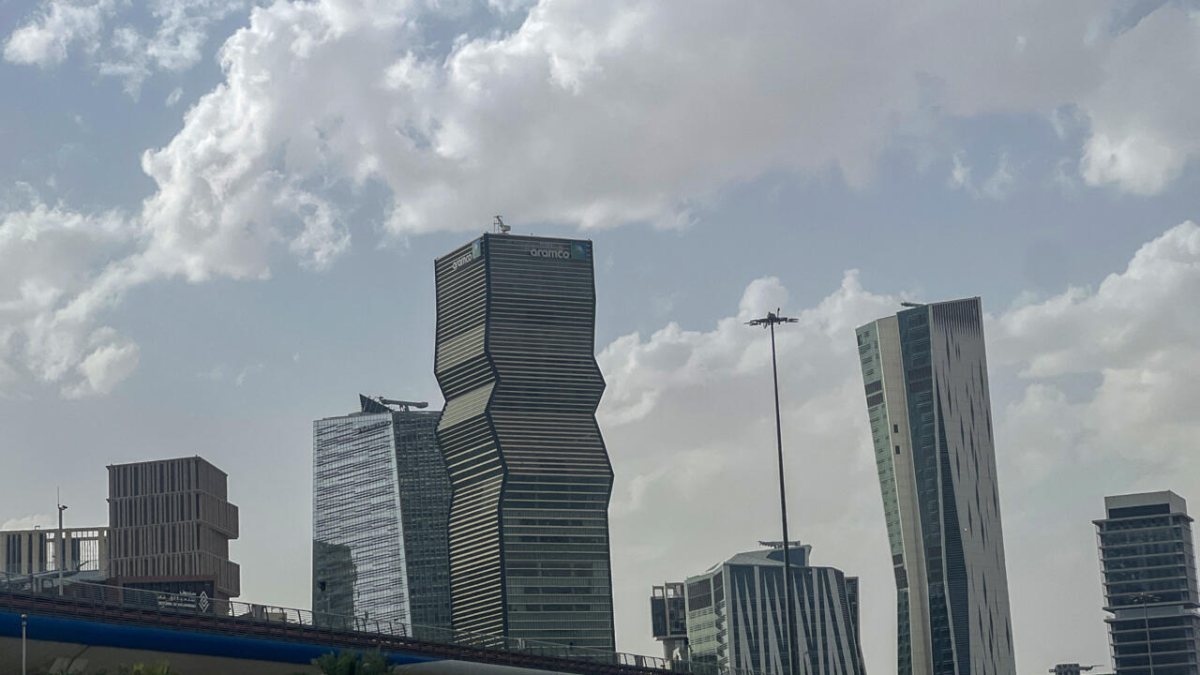
Riyadh's PIF Tower damaged as Saudi Arabia reports fresh Houthi missile attacks
Global Community Remarks
0