
Five EU states plan Rwanda deportation hub as critics warn of rights 'black hole'
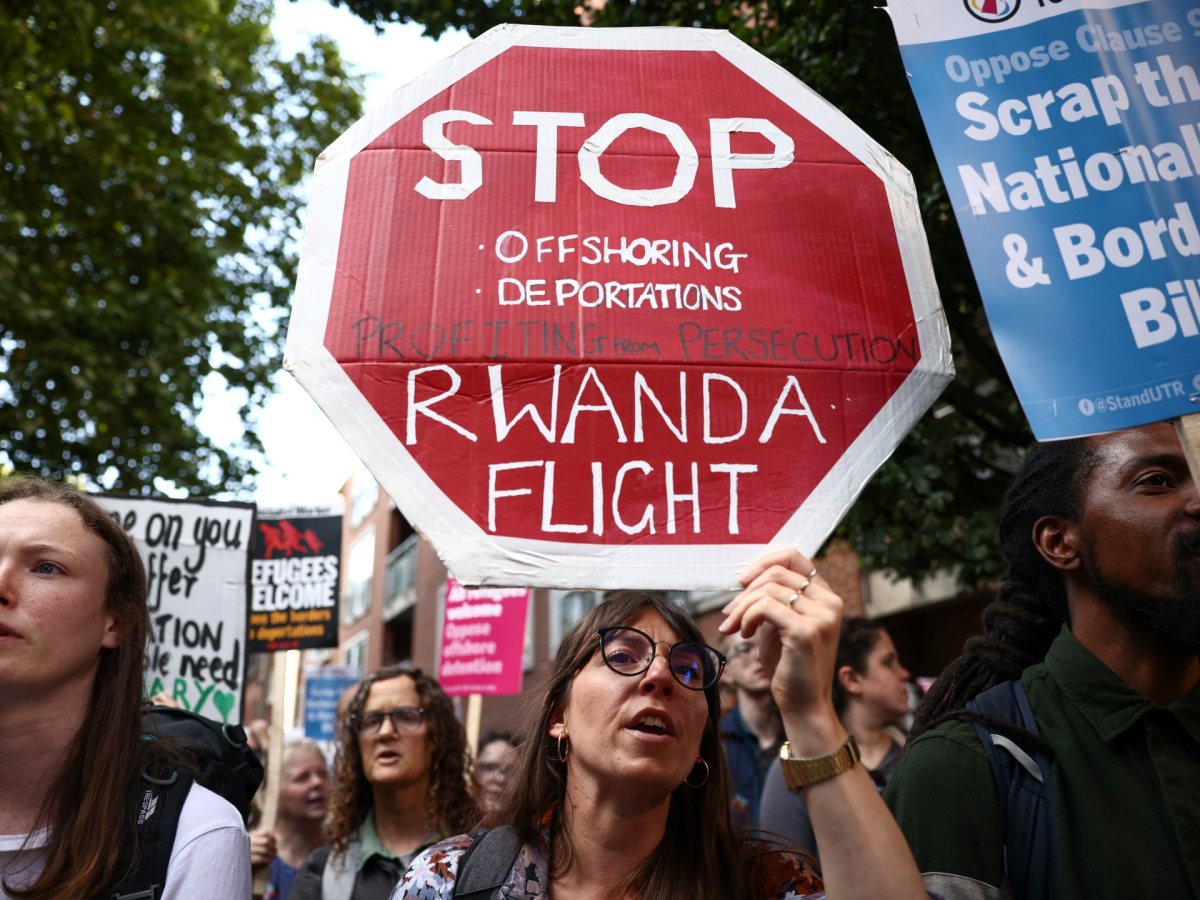
Five European Union countries have announced plans to set up a deportation centre in Rwanda for people whose asylum applications have been turned down, reviving an idea that collapsed in the United Kingdom and prompting warnings from rights groups that it could expose deportees to abuse.
Germany, Denmark, Greece, Austria and the Netherlands unveiled the proposal on Monday, according to Al Jazeera. It forms part of a wider European effort to increase removals by moving rejected asylum seekers to so-called "return hubs" in countries with which they have no prior links.
Further details are expected in early 2027, with an initial pilot project likely to involve about 100 people.
Kigali defends its record
Rwanda has promised independent monitoring and the participation of the Office of the UN High Commissioner for Human Rights. After 47 organisations criticised the plan and argued that Rwanda falls short of international human rights standards, Interior Minister Vincent Biruta insisted on Tuesday that rights are respected in the country, including those of refugees.
Biruta also described Rwanda's refugee policies as progressive, noting that they allow people to work and start businesses. The country hosts large refugee populations, mostly from the neighbouring Democratic Republic of the Congo (DRC) and Burundi.
Exiled journalist sounds alarm
Rwandan investigative journalist Samuel Baker Byansi, now living at an undisclosed location in Europe, told Al Jazeera the arrangement would shield the government in Kigali from criticism.
"This partnership buys their silence."
Byansi said he fled Rwanda in 2022 after being warned he and colleague John Williams Ntwali could be arrested or killed while probing suspected Rwandan military activity in the DRC. Ntwali died months later in what was officially reported as a road accident, though Byansi and rights monitors have questioned the circumstances.
President Paul Kagame, in power since 2000, is credited with Rwanda's economic recovery after the 1994 genocide but faces persistent accusations of repression. The UN and others have repeatedly accused Rwanda of backing the M23 armed group in eastern DRC, and in October the United States sanctioned Rwanda's Ministry of Defence. Also in October, a prominent government critic was found decapitated outside Kampala, Uganda.
Amnesty International warned that the deal, with limited room for scrutiny, risked becoming a human rights black hole for people sent to a country they had never visited.
Monitoring doubts
Dutch MEP Tineke Strik, who inspected possible facilities in Kigali in September, said officials presented the plan as beneficial to both sides and suggested arrivals could eventually gain residency or citizenship. She told Al Jazeera the claims could not be verified because no domestic NGOs voice criticism, and she was unable to trace people recently deported to Rwanda by the administration of US President Donald Trump.
Rwanda has hosted deportees before. Between 2013 and 2018, Israel sent thousands of Eritreans and Sudanese there, many of whom reportedly later left or were moved on. Britain's 2022 scheme ran up estimated costs of $940m but produced only four voluntary transfers before the Supreme Court declared it unlawful; Labour scrapped it in 2024.
British immigration lawyer Alasdair Mackenzie, who worked on the case that halted the first UK flight after a last-minute European Court of Human Rights ruling, said those deportees had been terrified. He also doubted that return hubs would deter migrants fleeing dire conditions at home.
Europe divided
Austrian Interior Minister Gerhard Karner backed the plan as a way to curb illegal migration and disrupt smugglers, but Spanish Prime Minister Pedro Sanchez said it lacked a future or humanity. French President Emmanuel Macron questioned both its principles and effectiveness in June.
The debate comes as EU asylum applications in the first half of 2026 fell 17 percent year on year to their lowest level since 2021. Strik argued Europe would do better to improve cooperation with migrants' countries of origin.
This story was prepared by the Hamasta Newsdesk with AI assistance, based on reporting by Al Jazeera. Read the original report. Photo: Al Jazeera.

Tell your story on screen.
Commercials, documentaries, interviews and social video, from script to final cut.





More in International
See all
Trump greets Putin and Xi in Shenzhen ahead of first three-way summit

UK Sets Aside 42,900 Seasonal Work Visas for 2027: What Kenyan Applicants Need
Sudan war trauma fuels surge in drug addiction among young people

Axes and cutlasses at rallies: violence clouds Nigeria's January 2027 election race
EU proposes €45 billion loan to Ukraine, to be repaid from Russian reparations

Global Community Remarks
0