
HALO Trust destroys 250,000 landmines in Zimbabwe as aid cuts threaten 2030 target
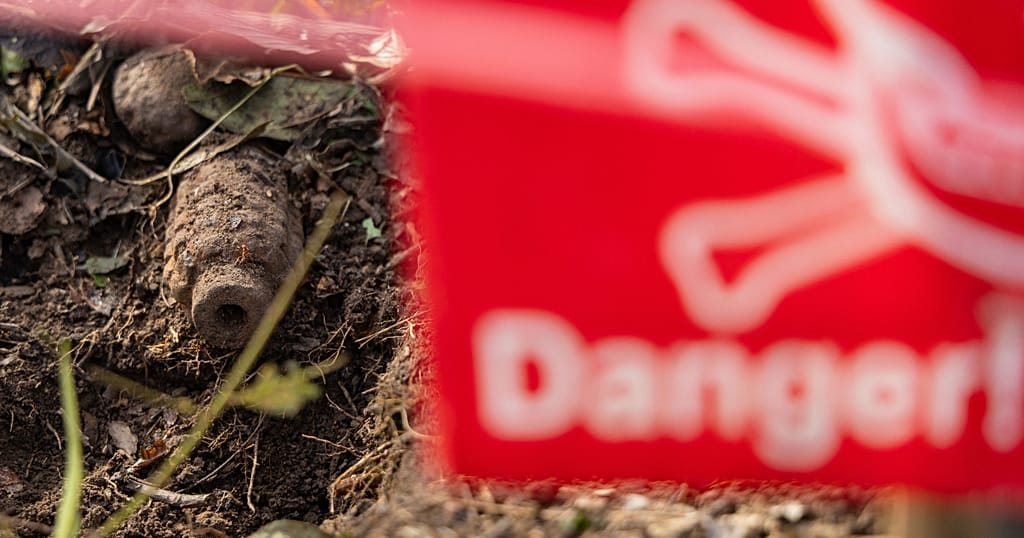
The HALO Trust has destroyed 250,000 landmines in Zimbabwe since 2013, the demining charity says, marking a major step in clearing explosives left behind by the country's liberation war of the 1970s. It has also warned that cuts to international aid could put Zimbabwe's target of becoming mine-free by 2030 at risk.
The organisation, described as the world's largest landmine clearance charity, announced the milestone after 13 years of work, according to Africanews.
Work concentrated in the north-east
HALO said its Zimbabwean teams have spent the period clearing minefields in the districts of Rushinga and Mount Darwin. The charity said the work has helped bring farmland back into use, reconnect communities and improve people's access to essential services.
In Rushinga alone, clearance operations have benefited more than 14,000 residents, according to HALO. Families can now graze livestock and grow crops without fear, and reach schools, clinics, markets and water sources that were previously cut off or dangerous to approach.
'Peace of mind'
Nokutenda Masiyanise, Head of Donor Management and Partnerships at HALO Zimbabwe, said the milestone carried meaning well beyond the numbers.
She told Africanews that one of the most overlooked benefits of the work was the reassurance it gave communities, explaining that knowing the threat had been removed permanently was among the biggest impacts of destroying the mines.
"Just knowing that this threat is gone and it is gone forever," she said.
Masiyanise described the team as "super excited" about reaching the figure.
Local jobs, including for women
HALO, which is Zimbabwe's largest demining operator, said it employs people from the affected communities. Among its staff are female deminers, many of whom support large extended families with their earnings, the charity said.
Technology and funding pressures
To speed up the work, HALO said it is now using drones, advanced detectors and small excavators in its operations.
However, the charity cautioned that reductions in international aid could undermine progress. It warned that funding cuts could jeopardise Zimbabwe's goal of clearing all landmines by 2030.
HALO did not give details of the size of the funding gap or the area of land still to be cleared, according to the Africanews report.
Legacy of the liberation war
The mines being removed date back to Zimbabwe's liberation struggle in the 1970s. Decades after the conflict ended, the explosives have continued to pose a danger to rural communities and limit the use of land for farming and grazing.
The milestone highlights both the progress achieved through sustained clearance work and the risk that remaining minefields could persist if financing dries up before the job is finished.
This story was prepared by the Hamasta Newsdesk with AI assistance, based on reporting by Africanews. Read the original report. Photo: Africanews.


Take your event live to thousands.
Multi-camera live streams, panel discussions and digital broadcasts with professional crews.




More in International
See all
France to monitor top YouTubers for political balance ahead of 2027 presidential vote

Hegseth hails US-Colombia security ties as Bogota set to host anti-cartel coalition

US war in Iran has cost over $48 billion, Pentagon official tells senators

US judge allows Trump defamation suit against New York Times and Penguin to proceed

Mélenchon open to Greens alliance as Tondelier offer splits France's left

Global Community Remarks
0