
Cumin-flavoured sodas chip away at Coca-Cola and Pepsi's grip on India
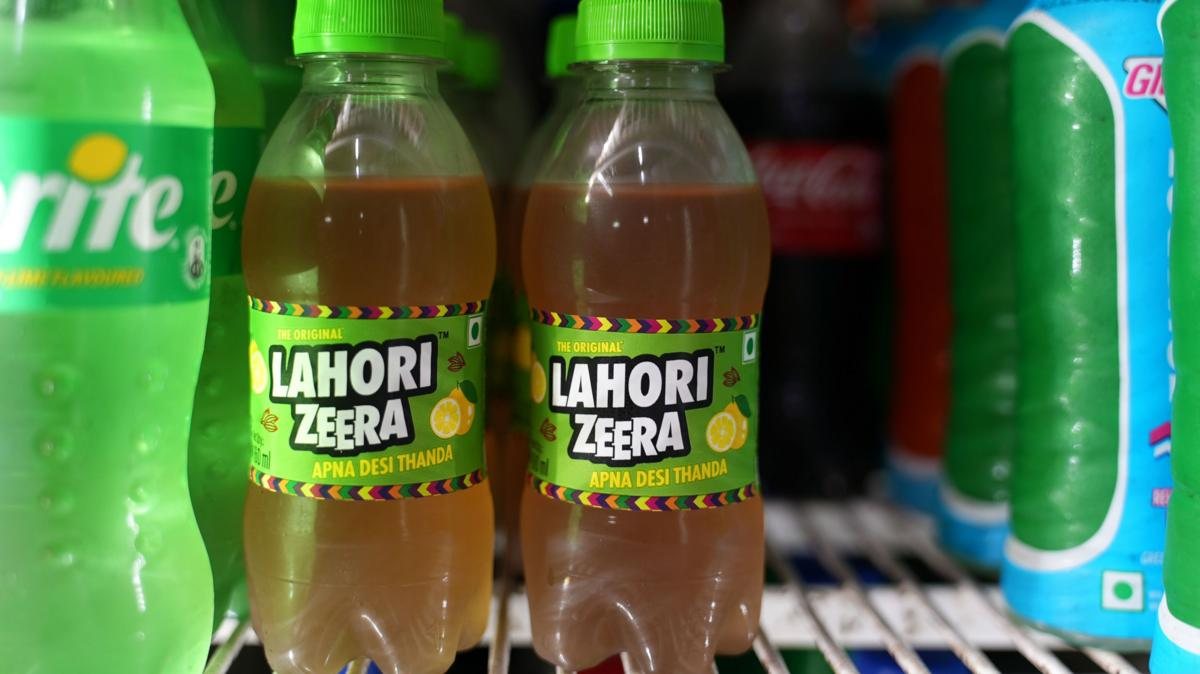
Fizzy drinks flavoured with cumin are taking a growing bite out of India's carbonated soft-drinks market, putting pressure on global giants Coca-Cola and PepsiCo, according to BBC News World.
A report by Kotak Mutual Fund cited by the broadcaster found that homegrown challengers, now grouped together as India's "ethnic beverages market", doubled their combined share to about 15% by September last year. Over the same period, the joint share held by Coca-Cola and PepsiCo dropped from roughly 93% to 85%.
From a family kitchen to a national brand
One of the leading names is Lahori Zeera, launched in 2017 by three cousins from Punjab state: Saurabh Munjal, Nikhil Doda and Saurabh Bhutna. The idea came after Doda mixed a cumin soda at home one evening using everyday kitchen ingredients. Zeera is the Hindi word for cumin.
Cumin sodas had long been sold at roadside stalls across India, but the market was fragmented among small local firms. The cousins convinced their families to put up initial capital, and the brand is now expected to end this year with revenues of between $115m and $120m, BBC News World reported.
Much of its success has come in the ten-rupee price bracket, a crucial mass-market segment. Mr Munjal, chief executive of manufacturer Archian Foods, told the BBC the company sells out every year and still cannot keep up with demand, despite doubling capacity to 1.2 million bottles a day last year.
A crowded field
Lahori Zeera is far from alone. Rival products include Jeeru from Mumbai-based Xotik Frujus, Campa Jeera from billionaire Mukesh Ambani's Campa Cola, and Fizz Jeera Masala from House of Bindu.
Megha Shankar, a director at House of Bindu, said the company's cumin soda had seen flat sales for years before taking off. She told the BBC the category now accounts for 40% of the firm's revenues, up from 20% five years ago, prompting it to expand beyond its southern Indian base. The company has also introduced a zero-sugar version.
Parle Agro, one of India's oldest consumer brands, took its Dhishoom cumin soda national last year after selling it only in rural areas since 2012. One online delivery company reported a 900% jump in orders for such drinks this summer.
The Kotak report likened the shift to the upheaval caused when Reliance's Jio entered India's telecoms market in 2016, noting that a swing of this size in less than a year amounted to structural disruption.
Changing tastes
Analysts link the trend to rising demand for distinctly Indian flavours and drinks seen as healthier. Local brands are also leaning on nostalgic tastes such as raw mango, kokum and tamarind, along with sharp pricing and distribution.
Mr Munjal argued that colas had long sold Indians a western notion of refreshment through heavy spending on Bollywood stars and cricket sponsorships. His brand's tagline, "apna desi thanda", translates as India's own cold drink.
Hurdles ahead
Analysts caution that sustaining the momentum will be difficult. Rajiv Agarwal, a professor at the SP Jain Institute of Management in Mumbai, told the BBC he doubted the cumin drinks market would grow as large as the cola segment, describing competition as "extremely aggressive".
The low ten-rupee price point is also a risk. Rising costs of plastic, packaging and sugar could squeeze already thin margins, while price increases might hurt sales volumes or force smaller bottles.
Established players also have stronger systems and distribution networks. Coca-Cola, which bought the cumin-flavoured Rimzim brand in the 1990s, reportedly doubled its production last year.
Mr Munjal nonetheless hopes to take his drink abroad. "Indian flavours need to find a global spotlight," he told the BBC.
This story was prepared by the Hamasta Newsdesk with AI assistance, based on reporting by BBC News World. Read the original report. Photo: BBC News World.
Every moment, captured beautifully.
Events, corporate portraits, products and editorial shoots by our newsroom photographers.





More in Business
See all
California subpoenas Nvidia over whether China obtained its chips or secrets

Smaller banks outpace big lenders on fixed deposit returns as rates ease
Equity signals higher dividend as nine-month profit rises 32% to Sh68.7bn

APA Life, Apollo Asset Management host SACCO leaders on reforms and governance
Kenyan women farmers up to 25% less likely to get digital climate advice – CGIAR

Global Community Remarks
0