
Malawi fuel crisis sparks queue violence, black market deaths and protest calls
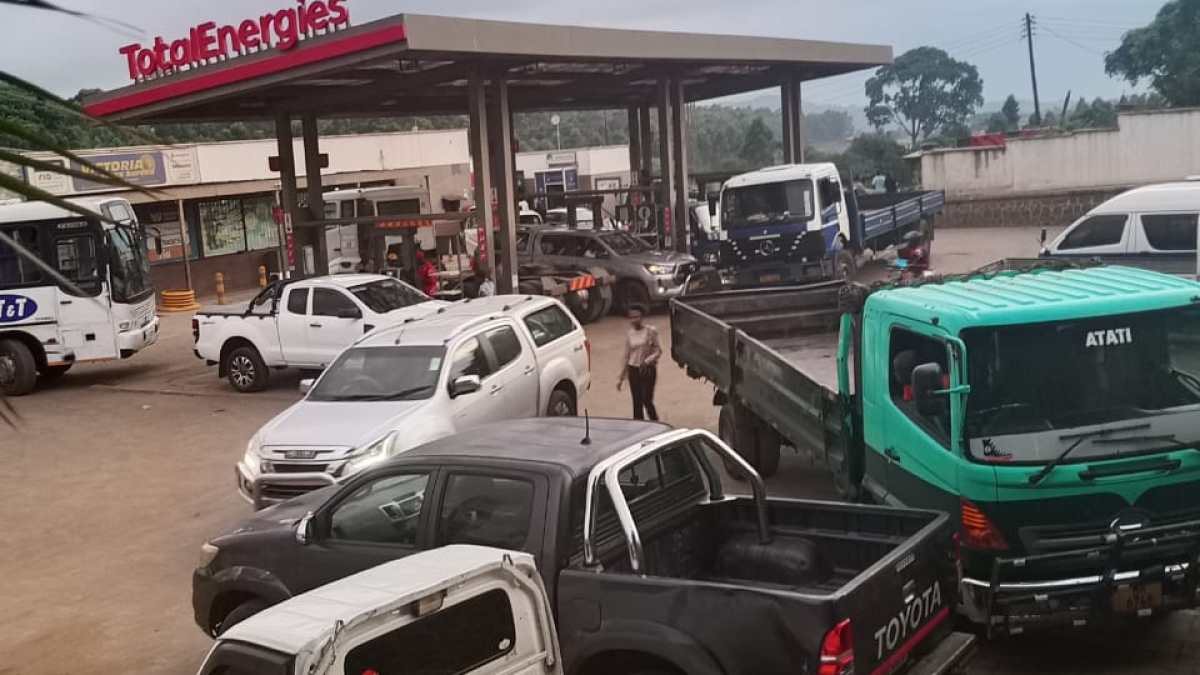
Persistent fuel shortages in Malawi have turned filling stations into scenes of frustration and violence, with motorists queueing for hours, and sometimes through the night, for tankers that may not come, according to Al Jazeera.
The crisis is disrupting daily life and business across the southern African country, pushing people towards a dangerous black market and fuelling demands for the government to act.
Hours in line for 20 litres
Ken Mhango, a 40-year-old car flipper in Blantyre, told Al Jazeera that he had gone several days without fuel when a friend tipped him off that a tanker was heading to a nearby station. About a dozen people were already waiting when he arrived, but order quickly broke down as minibus drivers and motorcycle taxi operators pushed into the queue and a scuffle broke out.
He said it took him four hours to buy 20 litres, while others stayed in line overnight. Purchases are reportedly limited to 20 litres a day, and Mhango said some motorists pay attendants for an extra five litres.
On another occasion, he joined a convoy of drivers hunting for fuel and reached Nyabadwe filling station in Blantyre at 5pm. The tanker came at 9pm and did not leave until 1am.
Although the Malawi Energy Regulatory Authority publishes daily schedules of which stations should receive fuel, motorists say uncertain deliveries make planning almost impossible.
Violence at the pumps
Videos circulating on social media appear to show confrontations at filling stations, including one in which people seem to attack a man, though Al Jazeera said it could not independently verify the incident. Local media have reported that the mayor of Blantyre has been sued for assault over an incident in a fuel queue, and that a station attendant was killed after being hit by a vehicle during a commotion.
Businesses losing out
Mhango said customers have stopped bringing vehicles to his garage, and that he is unlikely to meet his monthly targets, leaving him considering cutting the pay of his assistants. "The crisis has completely changed and messed up everything," he told Al Jazeera.
In Limbe, motorcycle taxi operator Tadala Kachingwe said his earnings and savings had dried up, and he can no longer afford to buy relish for his household in the mornings. He said minibuses were blocking station entrances, forcing him to consider paying middlemen to get his motorcycle to the pumps.
A deadly black market
Selling fuel without a permit is illegal in Malawi, but the shortages have created openings for informal vendors charging inflated prices. Mhango said he paid 30,000 kwacha, about $17.31, for two litres of petrol for his father, and suspects fuel he bought for his garage had been mixed with water after an engine failed.
According to GlobalPetrolPrices, petrol in Malawi costs about $3.24 a litre, more than twice the global average of roughly $1.52.
The illicit trade has proved deadly. Malawi's Nation newspaper has recorded at least six deaths from fuel explosions this year, some involving families and children. Local media reported that vendors and motorcycle taxi operators protested in Lilongwe after a suspected black market seller was burned alive in an explosion following a police chase.
Protests postponed
The Human Rights Defenders Coalition (HRDC) had planned nationwide demonstrations on November 17 demanding the energy minister's resignation over fuel shortages and power cuts. The protests were postponed after police said they could not provide enough security because officers were assigned to a governing-party parade the same day.
HRDC chairperson Michael Kaiyatsa told Al Jazeera the delay reflected public safety concerns rather than a retreat. He described the situation as a human rights issue affecting access to healthcare, education, food and jobs, and said people were turning to the black market to meet daily needs. While acknowledging the dangers of storing petrol at home, he said enforcement must respect due process and proportionality.
In a statement before the planned protests, the Ministry of Energy rejected claims of inaction, saying interventions were under way. It attributed the shortages largely to financial, foreign exchange and logistical constraints affecting the country's ability to import petroleum consistently.
This story was prepared by the Hamasta Newsdesk with AI assistance, based on reporting by Al Jazeera. Read the original report. Photo: Al Jazeera.

Tell your story on screen.
Commercials, documentaries, interviews and social video, from script to final cut.





More in International
See all
US Democrats say Kirkland & Ellis gave Trump administration $11.8m in free legal work
.jpeg)
Russian strikes damage Austrian and Dutch embassies in Kyiv, staff unhurt
El Salvador's Bukele set to register for third straight presidential term
Spain's Sánchez admits 'mistakes' in only TV debate before November 29 poll
Four bodies recovered after migrant boat capsizes off Senegal near Yenne
Global Community Remarks
0