
Kenyan edtech startup Dira wins US$10,000 at African Agentic AI Design Challenge
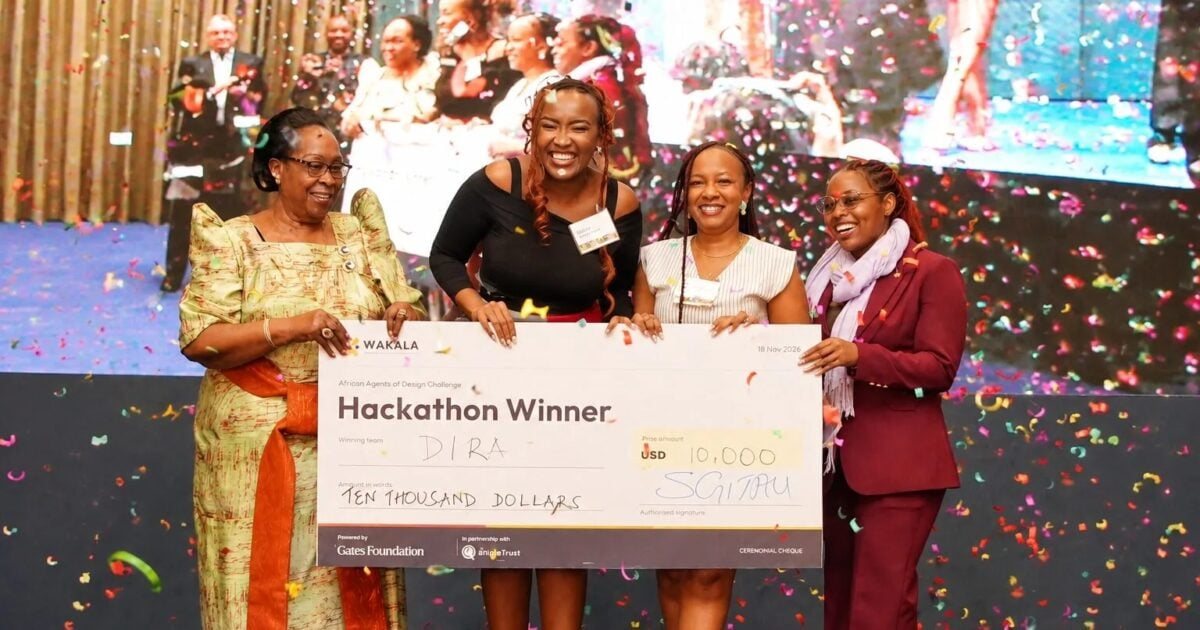
Kenyan education technology startup Dira has won the Education track of the African Agentic AI Design Challenge and a US$10,000 prize for a tool that helps teachers identify and support struggling learners, according to Capital FM Kenya.
The winners were named at "Agentic AI for the Global South", a closed-door side event held alongside the MCP Dev Summit in Nairobi. Marga AI finished as first runner-up with US$8,000, while TALO came second runner-up and took home US$6,000. All three teams were also awarded computing credits.
How Dira works
Dira was founded by Irene Mukii, Jacinta Wanjiru and Michelle Gati. Its product is an AI assistant built into the everyday routines of teachers, flagging pupils who may need additional help.
Teachers can record brief spoken observations, which the system turns into organised records the startup calls "Evidence Cards". The tool then draws on educational research to recommend interventions suited to each learner, taking into account individual needs, learning styles or possible disabilities.
Teachers stay in charge of the process, with the ability to approve or reject any changes the assistant proposes, Capital FM Kenya reported.
More than 60 AI agents showcased
The challenge featured more than 60 AI agents built by innovators, reflecting a rising interest in using agentic AI to tackle problems facing the continent.
The workshop, held on Wednesday at the Hyatt Hotel in Nairobi, centred on how Africa can take part in setting the rules that govern agentic AI rather than adopting standards drawn up elsewhere.
Participants argued that African voices should be included from the start. They said early involvement by policymakers could help avoid a patchwork of conflicting regulations across countries and deepen cooperation between governments and innovators.
Discussions also covered what it takes to build, roll out and govern AI in African settings while making sure solutions respond to local needs.
Gates Foundation urges caution
Paulin Basinga, Africa Director at the Gates Foundation, commended the developers for their solutions but warned against reaching for AI when simpler methods would do.
"It is not every time you need to deploy AI," Basinga said.
He said the technology should serve as an aid, noting that people can sometimes solve problems on their own.
Basinga pointed to healthcare as an area where AI could raise efficiency, including by supporting overstretched health workers, cutting medical errors and improving how medicines are distributed.
He cautioned, however, that technology cannot replace investment in basic health services. Countries, he said, need to develop their own data, skills and evidence so they can shape AI around their priorities instead of merely consuming tools built elsewhere.
US$1 billion commitment
According to Capital FM Kenya, the Gates Foundation is increasingly focused on ensuring AI benefits communities that have historically been left behind by technological progress.
The foundation has pledged at least US$1 billion over the next two years to widen access to AI and AI-enabled solutions. The funding is split as follows:
- 40 per cent to healthcare
- 40 per cent to education
- 10 per cent to agriculture
- 10 per cent to digital foundations
The meeting closed with a common message: African countries must take an active role in shaping emerging global AI standards so that the continent's priorities, experiences and needs are reflected as agentic AI evolves.
This story was prepared by the Hamasta Newsdesk with AI assistance, based on reporting by Capital FM Kenya. Read the original report. Photo: Capital FM Kenya.



Know what people say about you.
Media monitoring, audience insights and strategic communication for your brand.


More in Technology
See all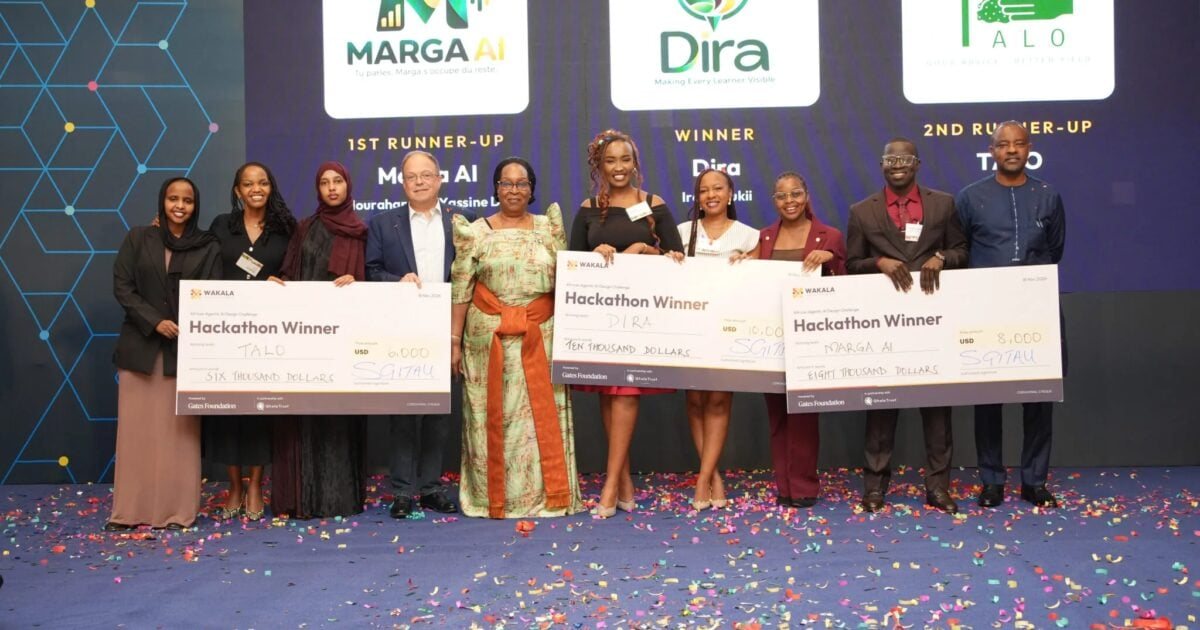
Gates Foundation's Basinga urges Africa to put practical needs ahead of AI hype

Eight Kenyan university students head to China for Huawei technology training

Meta reconsiders 2030 net-zero deadline as AI data centres push emissions up 45%

UK secures tens of thousands of fridges from hackers in secret cyber operation

NASA's Voyager 1 reaches one light-day from Earth, a first for any human-made object
Global Community Remarks
0