
UK secures tens of thousands of fridges from hackers in secret cyber operation
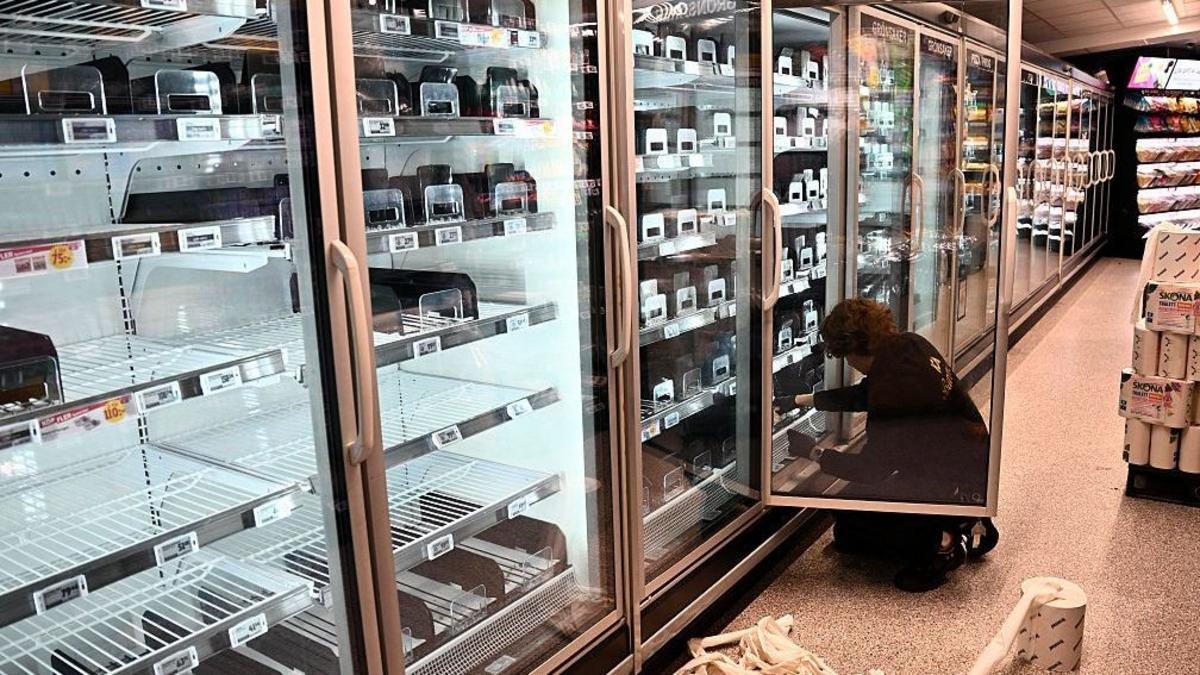
A covert cyber-security effort has been carried out across the United Kingdom to protect tens of thousands of fridges and freezers from hackers, according to BBC Technology. The work covered major supermarkets, warehouses, restaurants, petrol stations and stadiums.
The operation was launched after security researchers found a serious weakness in late October in refrigeration controllers widely used in the UK. Since then, researchers, company IT teams and the National Cyber Security Centre (NCSC) have been working continuously to alert dozens of businesses.
BBC Technology said it had held back from reporting the operation until now to lower the risk of attackers discovering and exploiting the flaw.
Attacks across Europe
The UK effort follows several waves of cyber-attacks on refrigeration temperature controllers this year. These attacks have spoiled tonnes of food at hundreds of stores and caused damage worth millions of pounds.
According to BBC Technology, the incidents so far include:
- An attack in August on fridges at a small number of US military bases.
- Attacks on 11 and 12 October on hundreds of supermarkets and food processing sites in France, targeting Danfoss temperature control systems.
- Attacks on 1 and 2 November on dozens of supermarkets in seven European countries, with Belgium and Luxembourg worst affected. A small number of blood bank sites in France were also hit.
France has blamed Iran for one of the waves that affected its supermarkets. Tehran denies the claim. Sweden was also among the countries that reported an incident in which temperatures in some supermarket fridge units were raised.
A hidden vulnerability
It had been thought that Britain largely avoided these hacks because its refrigeration industry uses different equipment. However, the European attacks led an expert at the firm Omega Systems to examine the most popular controllers in the UK, made by British company Resource Data Management (RDM). Each of these controllers can remotely manage the temperature of dozens of fridges and freezers.
The findings were checked and expanded by specialists at Pen Test Partners, who helped raise the alarm. The NCSC, the Department for Environment, Food and Rural Affairs (Defra) and the Food Standards Agency (FSA) then joined the response. They held industry conference calls and assigned teams to contact businesses at risk.
Thousands of controllers, which together manage tens of thousands of refrigeration units, were removed from the open internet. Some were disconnected remotely. In other cases, staff were told to unplug internet cables and check temperatures by hand.
Most major supermarkets had to redirect IT staff to the problem, BBC Technology reported. A worker at one large chain said the team took hundreds of devices offline every day for a week. The worker said warehouses held millions of pounds worth of food that could have spoiled if hackers had found the method.
Convenience stores, restaurants, fast food chains, sports arenas, hotels, food processing plants and cold storage sites were also warned to act.
Manufacturer disputes severity
Ken Munro of Pen Test Partners said the RDM controllers had a weak password problem similar to the one exploited in the earlier attacks. He warned it was likely "a matter of days" before criminals or state-backed hackers worked it out.
RDM disputes how serious the flaws are. It says comparisons with the equipment attacked in mainland Europe are unfair because an attacker would first need to obtain a piece of its hardware. The ethical hackers counter that such hardware can be bought cheaply online, including on eBay.
RDM chief executive Ged Evans said the weakness was found in a test environment and that the testing went further than usual, including taking the company's hardware apart. He said the firm had moved quickly, released its first patches and contacted customers with advice on protective steps.
RDM said there was no sign of malicious activity on its controllers. It added that it continues to work with the NCSC and other authorities to monitor the situation. The company has been praised for how professionally it responded, BBC Technology understands.
This story was prepared by the Hamasta Newsdesk with AI assistance, based on reporting by BBC Technology. Read the original report. Photo: BBC Technology.


Grow an audience that listens.
Social media management, digital campaigns and online storytelling that converts.



More in Technology
See all
NASA's Voyager 1 reaches one light-day from Earth, a first for any human-made object

Experts at Nairobi forum push for Africa's say in global AI and data rules

Waymo pulls driverless cars off US freeways after California safety ban

Transport Ministry Studies Plan to Convert Petrol and Diesel Cars into EVs

Eldoret innovator Cliff Temba builds automatic page turner for readers with disabilities

Global Community Remarks
0