
Transport Ministry Studies Plan to Convert Petrol and Diesel Cars into EVs
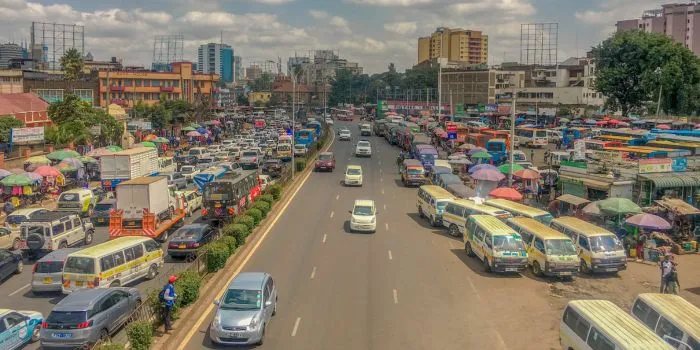
The Ministry of Transport is studying a technology that would allow Kenyan motorists to convert their existing petrol and diesel vehicles into electric cars, sparing them the cost of buying new ones, according to Kenyans.co.ke.
The idea was discussed on Wednesday, November 18, when Transport Principal Secretary Joseph Mbugua met Emmanuel Flahaut, President of Euro Retrofits Mobility, to explore how the technology could be introduced locally.
How retrofitting works
During the meeting, Flahaut took ministry officials through the process of electric vehicle retrofitting. It involves taking out a vehicle's combustion engine and fitting an electric motor and battery system in its place, so the car runs on electricity rather than fuel.
The approach is pitched as a cheaper route to electric mobility for owners of fuel-powered vehicles, who would otherwise have to spend millions of shillings on brand-new electric models.
According to Flahaut, the conversion can be carried out on a wide range of vehicles. These include:
- Motorcycles
- Private cars
- Buses
- Delivery vans
- Trucks and other commercial vehicles
He told the ministry that a conversion can take anywhere from a single day to three weeks, depending on the vehicle and the scope of work involved.
Expected benefits
The ministry said the technology could extend the working life of vehicles already on Kenyan roads while cutting what motorists spend on petrol and diesel.
Mbugua also pointed to environmental gains, noting that the shift could reduce air pollution, especially in congested towns and cities where large numbers of vehicles emit exhaust fumes daily.
The plan is also seen as a way to lessen the country's dependence on imported fuel and make better use of electricity generated within Kenya.
Growing push for electric mobility
The talks are part of wider government efforts to get more motorists to switch from fuel-powered transport to electric vehicles.
In February 2026, the government rolled out the National Electric Mobility Policy. The policy aims to promote the use of electric vehicles, back local assembly and draw investors to set up charging infrastructure.
Its launch followed a sharp rise in electric vehicle registrations. Ministry of Transport figures show that 39,324 electric vehicles had been registered by 2025, up from just 1,378 in 2022.
By June 2026, the total had climbed past 50,000. Electric motorcycles made up the biggest share, as more boda boda operators looked for alternatives to petrol-powered bikes.
Charging infrastructure
The government is also working to make charging points easier to find. Under the electric mobility policy, new commercial buildings are required to reserve at least five per cent of their parking spaces for electric vehicle charging facilities.
The ministry has not yet announced a timeline for when retrofitting services might become available to motorists, or what the conversions would cost.
This story was prepared by the Hamasta Newsdesk with AI assistance, based on reporting by Kenyans.co.ke. Read the original report. Photo: Kenyans.co.ke.


Grow an audience that listens.
Social media management, digital campaigns and online storytelling that converts.



More in Technology
See all
Eldoret innovator Cliff Temba builds automatic page turner for readers with disabilities

AI helps uncover critical decade-old security flaw in Java programming language
Waymo halts driverless taxi rides on all US freeways after California ban
Europe bets €400m on light-based photonic chips to win next tech race

Kenya and EU conclude talks on landmark data protection adequacy deal

Global Community Remarks
0