
Eldoret innovator Cliff Temba builds automatic page turner for readers with disabilities
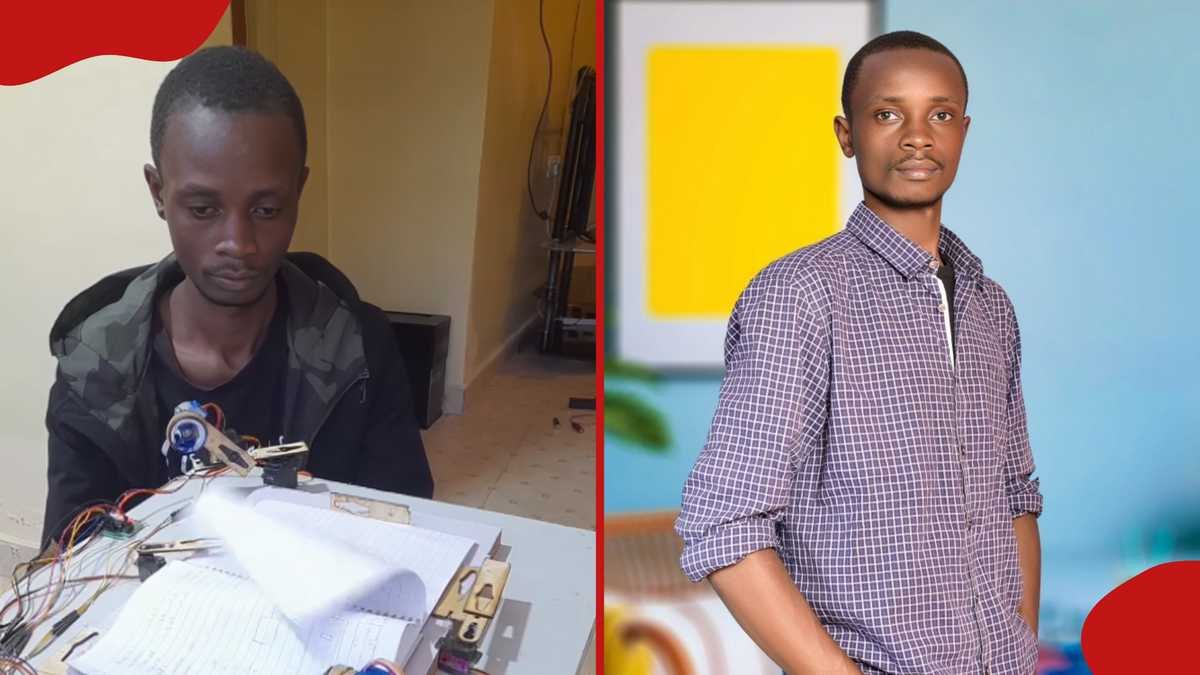
An Eldoret-based innovator has built a machine that turns the pages of a physical book on its own, a creation that could help people living with disabilities read without relying on someone else's hands.
Cliff Temba's device, described as a bidirectional automatic book page turner, lets a user move through a book in either direction without any hand movement or outside help, according to Tuko.
The invention has been winning admiration across Kenya after a video showing it in action began circulating widely online.
How the device works
The demonstration footage, which was shared on Facebook, shows Temba seated at a desk and operating the machine himself. On-screen text in the clip names both the innovator and his invention.
The device is custom-built and features visible wiring and servos. In the video, it is shown flipping the pages of a notebook used for the demonstration.
According to Tuko, the footage appears to have been recorded in a home workshop or personal workspace rather than a formal research laboratory.
The key feature is that the machine works in both directions. This means a reader can go forward to the next page or turn back to an earlier one whenever they wish, rather than being limited to moving in a single direction.
Addressing a daily challenge
For many people with physical disabilities, an ordinary activity such as reading a book can be difficult. Turning pages often requires the help of a caregiver, limiting how independently a person can study or read for leisure.
Temba's invention targets that gap by automating the page-turning process entirely.
Tuko noted that if the page turner is developed further and made widely available, it could benefit students, readers and learners who currently depend fully on another person to navigate a physical book.
Grassroots innovation
Many viewers who reacted to the video have described it as an example of grassroots innovation that solves real problems in local communities, even though such efforts rarely receive institutional support.
Temba's project fits within a wider tradition of Kenyan makers and tinkerers who build practical solutions outside formal engineering channels.
The invention also highlights a broader shortfall. Assistive technology remains underfunded in much of sub-Saharan Africa, where people with disabilities often have limited access to tools that could support their independence, Tuko reported.
What comes next
It is not yet clear how much the device costs to make or whether it will be produced on a larger scale.
No details about pricing or Temba's plans for wider production have been made public so far.
For now, the video has drawn attention to a locally designed solution aimed at making reading more accessible, and to the potential of home-grown innovators to address the needs of people with disabilities.
This story was prepared by the Hamasta Newsdesk with AI assistance, based on reporting by Tuko. Read the original report. Photo: Tuko.




Show the impact of your work.
Impact stories, campaign videos and community engagement for NGOs and programmes.

More in Technology
See all
AI helps uncover critical decade-old security flaw in Java programming language

Waymo halts driverless taxi rides on all US freeways after California ban
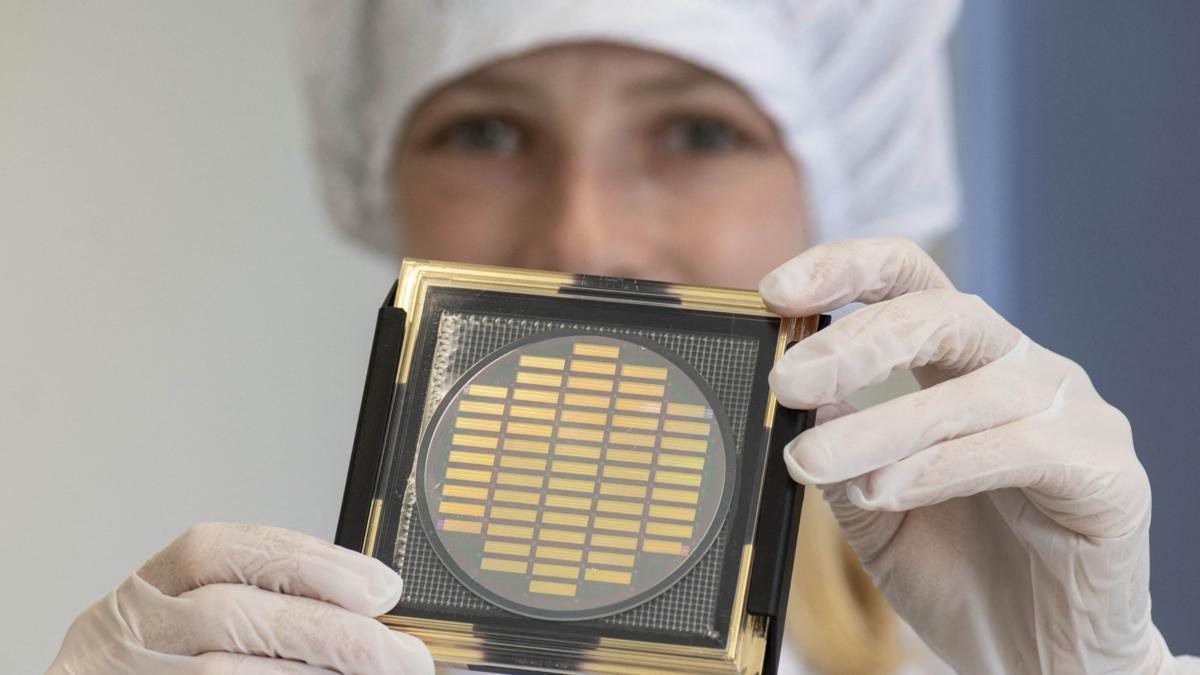
Europe bets €400m on light-based photonic chips to win next tech race
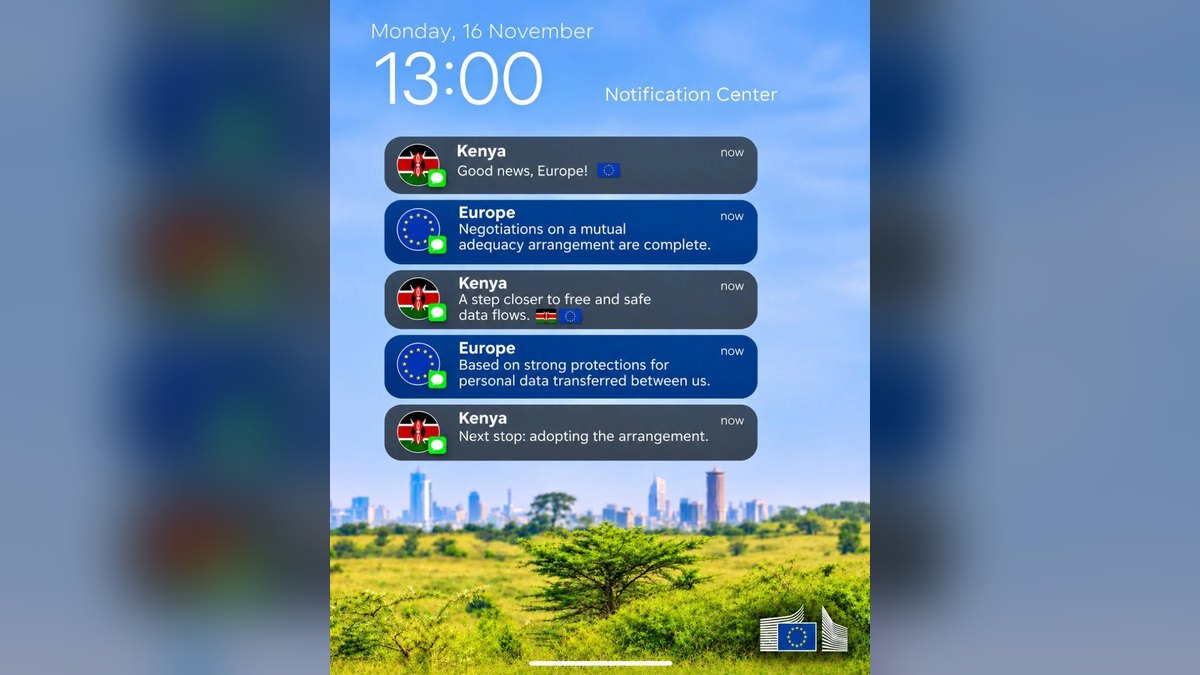
Kenya and EU conclude talks on landmark data protection adequacy deal

Kenya's Data Commissioner Immaculate Kassait Wins Global Buttarelli Privacy Award

Global Community Remarks
0