
RareX to Challenge Mrima Hill Award to US-Led Consortium Over Alleged Late Bid
Australian-listed miner RareX Limited is preparing a legal challenge against Kenya's proposed award of the Mrima Hill rare earths and niobium project to a US-led consortium. The move threatens to open a procurement dispute over one of the country's most strategically important mineral deposits, according to a Capital FM report published by allAfrica Kenya.
RareX, which leads a consortium with Australian mineral sands producer Iluka Resources, says it will file a procurement-related complaint by 10 December 2026. It alleges that the preferred bidder, Frontier Minerals Consortium, was allowed into the tender even though it did not submit its Expression of Interest within the deadline set by the Ministry of Mining, Blue Economy and Maritime Affairs.
Second-ranked bidder seeks the award
The government issued a Notification of Intention to Award to the Frontier-led group on 19 November, naming it the preferred developer of the Mrima Hill niobium, rare earth elements and other minerals project in Kwale County. The RareX-Iluka consortium was ranked second.
RareX argues that the alleged late submission makes Frontier legally ineligible. It intends to contend that the contract should go to its own consortium as the highest-scoring eligible bidder.
In a joint statement, Managing Director James Durrant and Chairman Jeremy Robinson said their consortium offered Kenya the strongest technical solution for the site.
"Every bidder should have met the same entry conditions," the two executives said.
They added that RareX had worked hard to make sure its bid complied with Kenya's public tender regulations, and claimed the Frontier consortium had not done the same.
The company will also request a formal debriefing on how its proposal was evaluated by 26 November, while it consults Kenyan lawyers on the remedies available under the country's procurement laws.
How the tender unfolded
The tender was launched through a Gazette Notice on 24 March 2026. Bidders were shortlisted in July, and technical and financial proposals were submitted on 21 October.
Two Chinese firms, Hunan Research Institute for Nonferrous Metals and Jinan Yuxiao Group, were initially shortlisted but pulled out before final proposals were submitted. Their exit left five bidding groups, including US-led and US-affiliated consortia, the RareX-Iluka partnership and a Kenyan-British joint venture.
Mining Cabinet Secretary Hassan Ali Joho told Reuters that the government had not pressured the Chinese bidders to withdraw and did not know why they left the process.
The Frontier consortium is made up of Frontier Minerals LLC, Bunker Hill Corporation, ReElement Technologies LLC and American Resources Corporation. Its selection comes as the United States seeks to diversify critical mineral supply chains away from China, which dominates the processing of several rare earth elements.
Prospecting, not mining
The notification does not give the preferred bidder an immediate right to start commercial mining. The current tender covers a prospecting licence, which permits geological studies, mapping, surface sampling and limited exploration to establish the size of the deposits.
Any future commercial extraction would require a separate mining licence, environmental and social impact assessment approval from the National Environment Management Authority (NEMA), and a community development agreement.
Mrima Hill is linked to a sacred forest and heritage sites important to the local Digo community. Questions over land rights, livelihoods, environmental protection and cultural heritage are expected to remain central as the project advances, the report noted.
Kenya's earlier attempts to develop the deposit were also slowed by legal and environmental disputes.
Why it matters
The contest comes as Kenya seeks to position itself as a supplier of critical minerals used in electric vehicles, wind turbines, electronics, aerospace and defence. Rare earths and niobium are increasingly important to advanced manufacturing and the shift to cleaner energy technologies, and the project has drawn interest from investors in both the US and China.
This story was prepared by the Hamasta Newsdesk with AI assistance, based on reporting by allAfrica Kenya. Read the original report.


Take your event live to thousands.
Multi-camera live streams, panel discussions and digital broadcasts with professional crews.




More in Business
See all
Lufthansa plans 1,000 job cuts at Frankfurt and Munich hubs amid losses
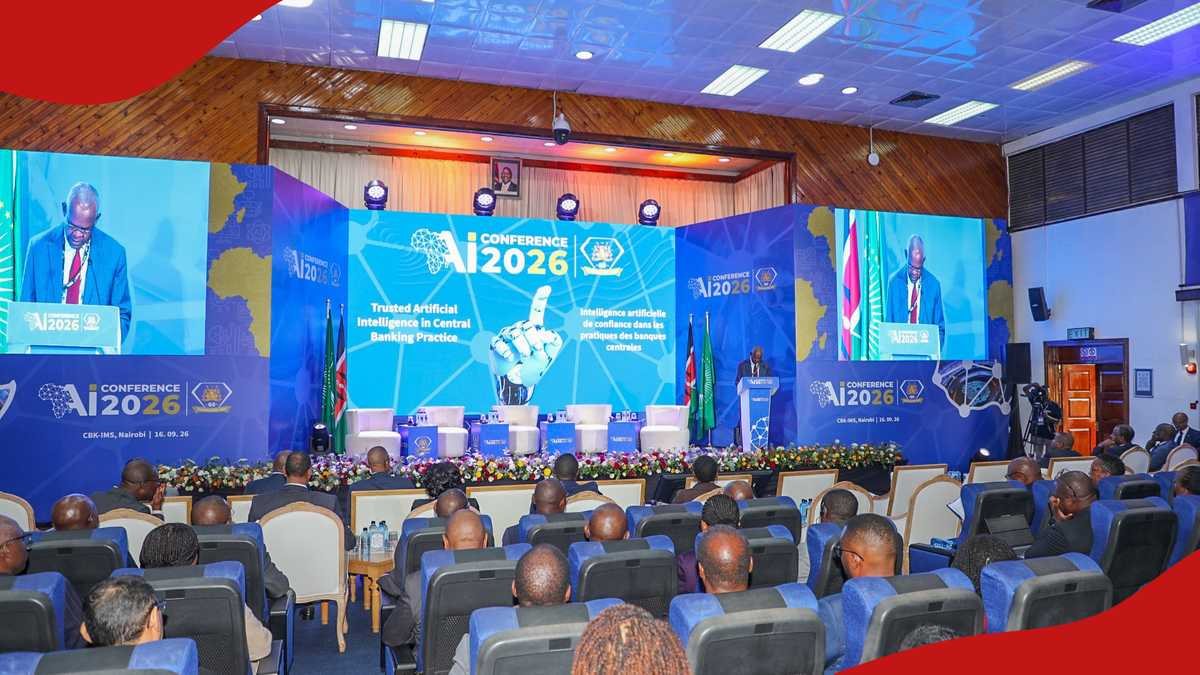
CBK opens one-year graduate internships, caps age at 29 with December 10 deadline
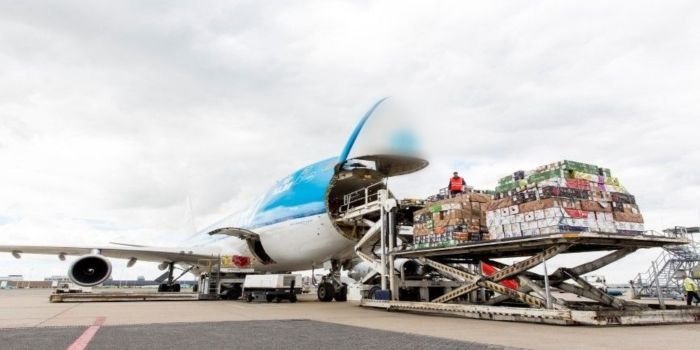
KAA Proposes Weight-Based Dollar Charges on Air Cargo at Kenyan Airports

Costs and red tape stand in the way of Africa's stablecoin ambitions, summit told
Absa Bank Kenya seeds new Sh230m global multi-asset fund for local investors
Global Community Remarks
0