
NCTC trains officials to speak with one voice during terror and extremism crises
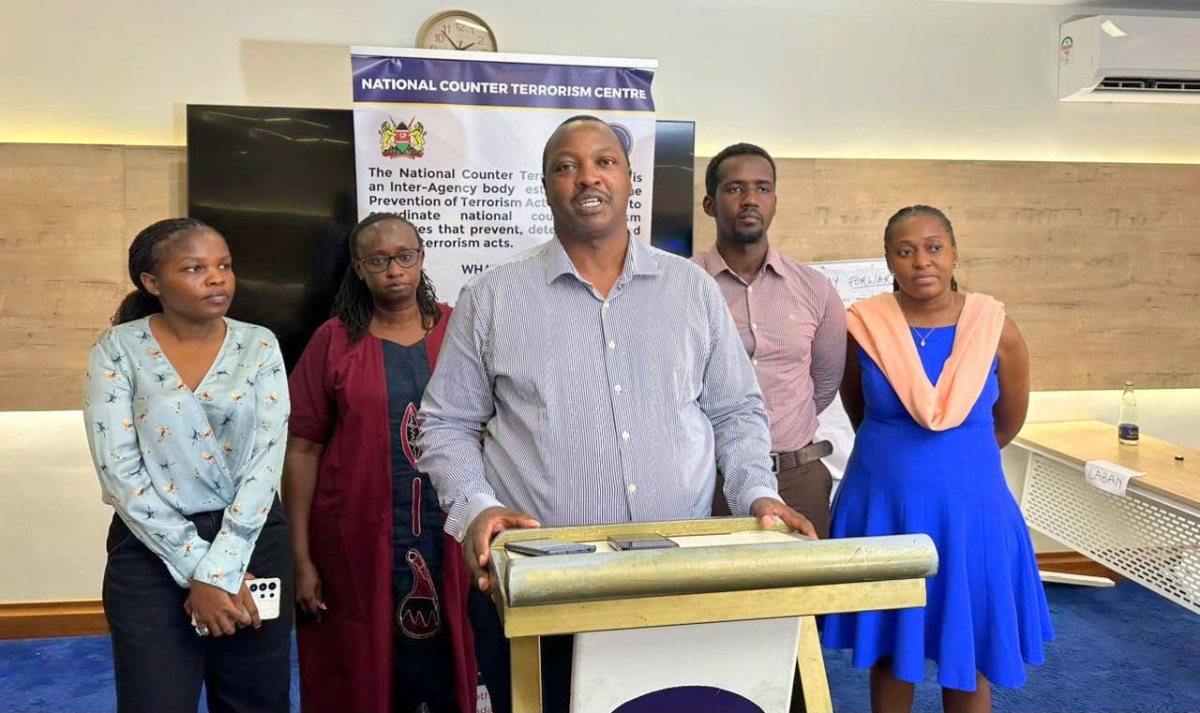
Government agencies have been asked to work more closely together and adopt shared communication strategies so that the public receives accurate and timely information during security crises linked to terrorism and violent extremism.
The appeal came during a three-day crisis communication sensitisation training organised by the National Counterterrorism Centre (NCTC), according to KBC. The session brought together officials from a range of government agencies with the aim of improving how they communicate during emergencies.
Verification and coordinated messaging
According to KBC, the training covered how to verify information, how to release it responsibly, and the value of coordinated messaging in preventing contradictory accounts from reaching the public during security incidents. Participants also took part in practical crisis simulations.
Lead facilitator Dr Martha Njiiri said the sessions had underlined the need for agencies to cooperate in handling communication during terrorism and violent extremism incidents. She identified the verification and release of information, together with hands-on simulation exercises, as among the most critical areas the training addressed.
Dr Njiiri said the discussions had shown how important it is for institutions to communicate in one voice. She added that agencies should draw up communication strategies that build crisis communication into their work on preventing and countering violent extremism (PCVE) and counterterrorism.
Building community resilience
NCTC official Jackson Macharia said the training was designed to equip government teams to communicate well during crises while also strengthening the resilience of communities against violent extremism.
He thanked the Kenya-European Union support programme for facilitating the engagement and said the centre remained committed to building resilient communities as a way of preventing violent extremism.
"We are working diligently to ensure that we build resilience in our communities," Macharia said, according to KBC.
Participants report greater readiness
Lucy Kabura, the Assistant County Commissioner for Island Division, said the training had improved participants' readiness to respond to emergencies through effective communication and collaboration between government departments.
She told KBC that the exchanges among different departments had given participants the knowledge and confidence to handle emerging crises and to communicate appropriately when unexpected incidents occur. Kabura described the conversations over the three days as engaging and said participants were leaving better prepared to address any eventuality.
Why it matters
Conflicting or unverified statements during a security incident can cause confusion and undermine public trust. The training, KBC reported, sought to strengthen the preparedness of government institutions by promoting coordinated communication, accuracy of information and strategic messaging during security emergencies.
The emphasis on a single, verified government voice reflects a wider push within Kenya's counterterrorism framework to pair security operations with clear public communication and community engagement.
The NCTC did not indicate whether similar sessions would be held for other regions or agencies.
This story was prepared by the Hamasta Newsdesk with AI assistance, based on reporting by KBC. Read the original report. Photo: KBC.


Grow an audience that listens.
Social media management, digital campaigns and online storytelling that converts.



More in Crime & Justice
See all
Courts Clear More Cases Than Filed for Second Year as Backlog Falls 2.5 Per Cent

Court Halts KeNHA, Chinese Firm's Ksh29.6M Auction Bid Against Firm in Land Row
Kindiki vows to shield judicial independence as Judiciary budget hits Sh30.4bn

Court Orders Deportation of Somali National Convicted Over Fake Kenyan IDs
Supreme Court finally gets title deeds for its land, a year after Kindiki's directive
Global Community Remarks
0