
US loses measles-free status as Brazil's rapid-response model offers a path back
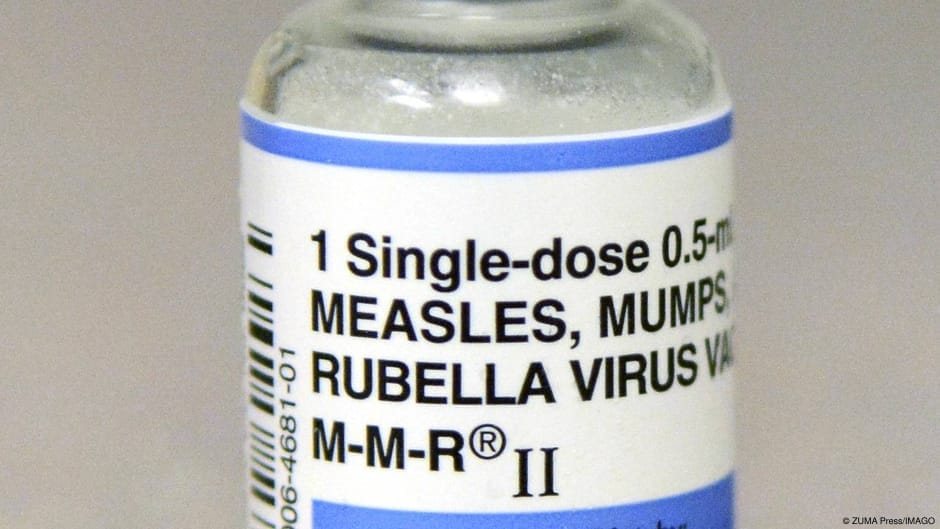
The United States has lost the measles-free status it held for 26 years, and health experts say Brazil's experience shows how the country could win it back, according to DW News.
The Pan American Health Organization (PAHO) announced on November 17, 2026 that the US no longer qualified as having eliminated measles. Mexico and Bolivia lost their status on the same day. The decision followed findings that the same strain of the virus had been circulating in the US for 12 months or longer.
The US had recorded more than 5,400 cases in 2026 at the time of DW's reporting. That is more than double the total for all of 2025 and roughly 19 times the 2024 figure. Almost all of those infected were unvaccinated or had an unknown vaccination status.
How Brazil fought back
Brazil lost its own measles-free status in 2019, when it recorded more than 21,000 cases. Within five years, and despite the disruption of the COVID-19 pandemic, it regained the status. It has held on to it since 2024, even as the disease spread elsewhere in the Americas.
In 2026, Brazil had logged only 70 cases, all linked to infections imported from abroad, often from neighbouring Peru, DW News reported.
The country's approach rests on several measures:
- Speed: PAHO asks countries to respond within 72 hours of a suspected case, and Brazil has set its own rapid-response rule.
- Active case-finding: Under a programme called "Dia S", health workers go door to door and visit schools, daycare centres and churches to find sick people who have not seen a doctor.
- Mass vaccination days: Known as "Dia D", one was held in November in the area bordering Colombia and Peru.
- Contact tracing: When a case is confirmed, health workers try to trace and vaccinate everyone the patient may have met, as well as nearby residents.
Brazil has administered more than 16 million measles vaccine doses in 2026 and donated 500,000 doses to Peru. Still, World Health Organization estimates show only 76% of Brazilian children received both required doses in 2025, well below the 95% target.
"Elimination is not a trophy that we win once and put on a shelf," said PAHO Director Jarbas Barbosa.
Falling coverage in the US
According to the US Centers for Disease Control and Prevention, measles vaccination among kindergartners has fallen from 95% before the pandemic to 92%, leaving about 280,000 children unprotected. In the Texas counties where a 2025 outbreak began, coverage was as low as 77%.
Most US states allow parents to opt out of school vaccine requirements for religious or personal reasons. President Donald Trump signed an executive order in August 2026 that placed the measles vaccine in a top category of recommended childhood shots, but DW News described the administration's wider position on vaccines as unclear. Health Secretary Robert F. Kennedy Jr. has often voiced opposition to vaccination and advised taking vitamin A instead, DW reported, which in Texas led to children being hospitalised with toxic levels of the supplement.
A global picture, with Africa hit hardest
The Americas have recorded more than 58,000 cases in 2026, with Guatemala worst affected at almost 35,000. The deadliest outbreaks, however, are in Africa. African Union countries have reported nearly 1,800 measles deaths this year, about 1,650 of them in the Democratic Republic of Congo.
There have been bright spots. Sudan, despite its ongoing war, raised first-dose coverage by 22 percentage points in 2025, the largest gain worldwide. In the European Union, cases fell from more than 35,000 in 2024 to about 2,300 in 2025.
Measles is about 12 times more contagious than flu, with one person able to infect up to 18 unprotected people. Experts say at least 95% of a community must be immune to prevent outbreaks. Two doses of the MMR vaccine protect 97% of people for life, and global measles deaths have dropped by 88% since 2000 thanks to vaccination.
This story was prepared by the Hamasta Newsdesk with AI assistance, based on reporting by DW News. Read the original report. Photo: DW News.



Know what people say about you.
Media monitoring, audience insights and strategic communication for your brand.


More in Health
See all.jpeg)
Nairobi Hospital CEO Felix Osano leaves after 18 months; Dr Magdalene Kamande to act
SHA says Ksh800,000 cancer cover intact despite changes to treatment approvals
Oluga, Kananu urge newsrooms to dig deeper into maternal and newborn deaths
Doctors, dentists and pharmacists urge tighter antibiotic controls as resistance grows

Doctors to get KSh 76m in salary arrears after KMPDU talks with Health ministry
Global Community Remarks
0