
US lawmakers seek tougher AI chip controls as Washington tightens exports
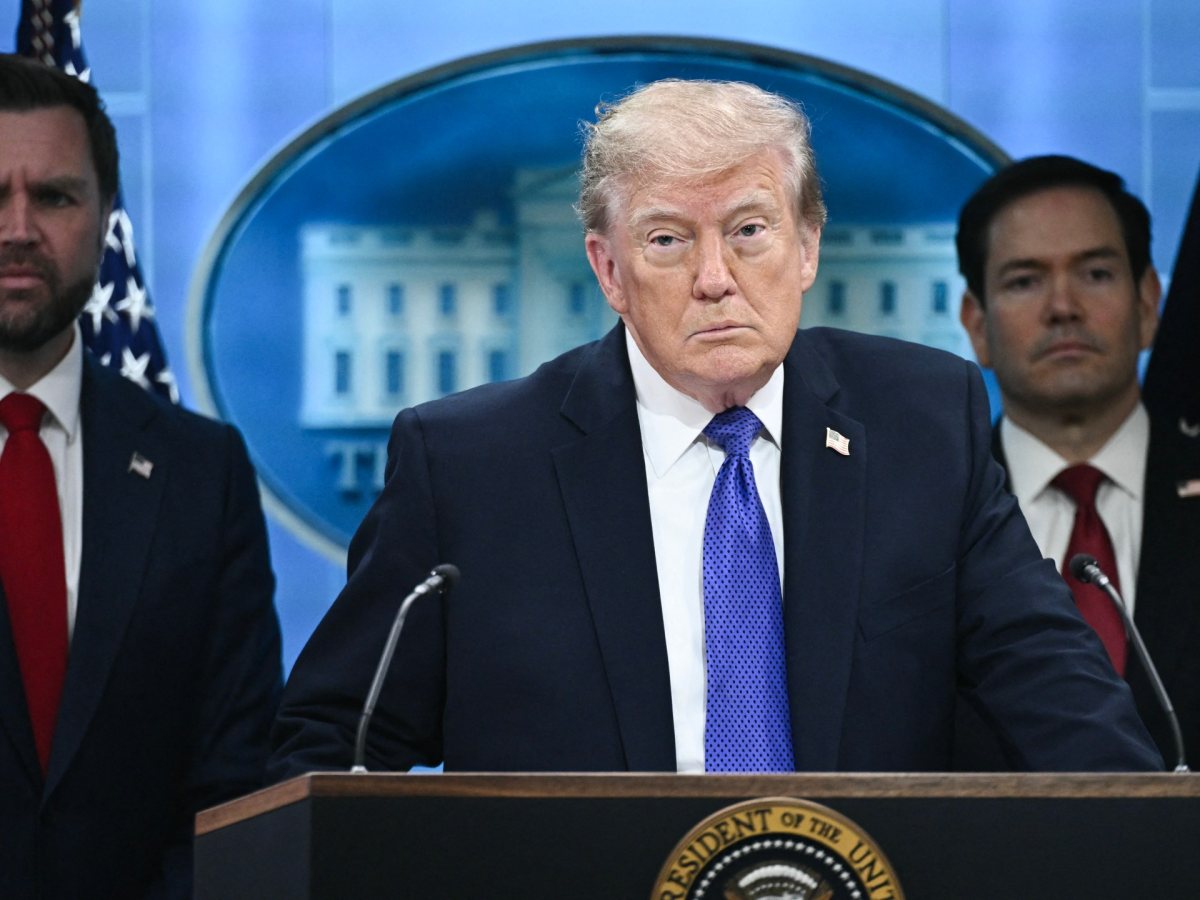
United States lawmakers are calling for stricter regulation of advanced artificial intelligence (AI) chips once they leave the country, even as they welcome new export controls aimed at stopping Chinese firms from accessing American computing power, according to Al Jazeera.
This week the US Department of Commerce unveiled a rule limiting how advanced US AI chips can be accessed remotely. Officials said it would close a loophole that has allowed Chinese companies to use data centres in third countries to get around existing US restrictions.
Al Jazeera reported that the move came in the wake of a reported affair involving a former Nvidia chief executive and a suspected spy for Beijing.
Licences required in five countries
Under the rule, the Bureau of Industry and Security (BIS), part of the Commerce Department, will require data centre customers in Thailand, Indonesia, Malaysia, Singapore and Brazil to obtain a special licence before buying advanced chips from US firms such as Nvidia. The agency said these markets carry a higher-than-normal risk of the chips being diverted.
China has rejected the measure, describing it as US "economic coercion".
Lawmakers want broader oversight
Democratic Representative Pramila Jayapal told Al Jazeera the export controls should already have been in place. She argued that the wider issue was the concentration of AI expertise in a handful of companies, which she said posed risks on several fronts, including national security.
In October, Jayapal put forward a policy framework that would oblige every AI company operating in the US to hold a federal charter. The proposal draws on the oversight model used for national banks and the strict pre-release testing applied to nuclear materials and dangerous weapons. It would also bar AI firms from building monopolies, releasing risky models, exploiting workers or causing harm.
Democratic Representative Everton Blair told Al Jazeera he was eager to pursue investigations and regulate AI, noting that the industry itself had asked Congress for rules. Democrats are set to control both chambers of Congress from January, according to the report.
Scrutiny of Commerce Secretary
Senior Democrats on the House Judiciary Committee, of which Jayapal is a member, have announced an inquiry into whether Commerce Secretary Howard Lutnick blocked efforts to halt the suspected smuggling of advanced Nvidia chips to China.
Lutnick has faced criticism, including from within President Donald Trump's cabinet, over claims that he declined to restrict companies accused of diverting chips to China. Among them is Megaspeed, which is central to the Nvidia probe.
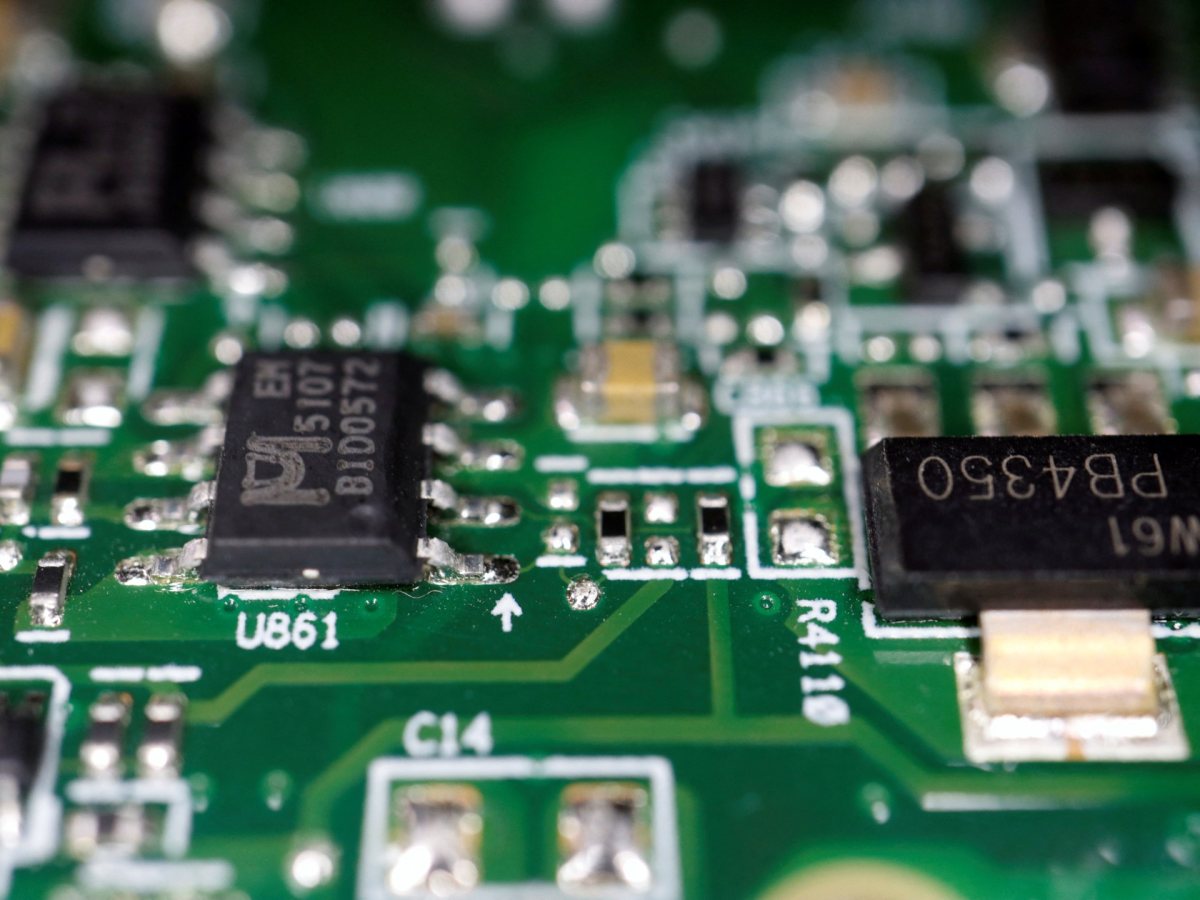
Separately, the House Foreign Affairs Committee said the Trump administration had approved the export of 879,000 Nvidia and AMD chips to Chinese companies between December 2025 and May 2026.
Trump vows penalties
On Friday, after returning from a trilateral meeting with the Chinese and Russian presidents in Shenzhen, Trump pledged to stop US companies from building data centres abroad. "We're going to put tremendous penalties on companies that try and do it," he said.
It was not clear how such a ban would work or be enforced. Trump also encouraged Americans to accept data centres in their communities, despite growing local concern over their effects on quality of life, the environment and energy demand.
Limited impact on China
The US accounts for nearly 75 percent of global AI spending and computing power, with China second. An Oxford University study found that US tech giants including Amazon, Microsoft and Google run close to 90 major AI computing hubs worldwide, and that US firms were building 63 such hubs outside the country as of 2025.
Stephen Ezell, vice president for global innovation policy at the Information Technology and Innovation Foundation, said Washington would struggle to enforce the BIS rule. Speaking on Al Jazeera's This Is America, he said export controls may have slowed China slightly but had not altered its ambition to lead the world in AI semiconductor chips.
This story was prepared by the Hamasta Newsdesk with AI assistance, based on reporting by Al Jazeera. Read the original report. Photo: Al Jazeera.
Every moment, captured beautifully.
Events, corporate portraits, products and editorial shoots by our newsroom photographers.





More in Tech
See all
White House cyber chief Sean Cairncross exits after week of major US tech outages
US approved nearly 900,000 Nvidia and AMD AI chips for China in six months

EU Commission confirms it was hit by cyberattack carried out with AI tools

Itumbi says TikTok to review removal of 750,000 Kenyan videos within 10 days
South Africa orders Musk's Starlink to stop unauthorised operations

Global Community Remarks
0