
KJSEA results due in December, KCSE and KPSEA in January 2027, says CS Ogamba
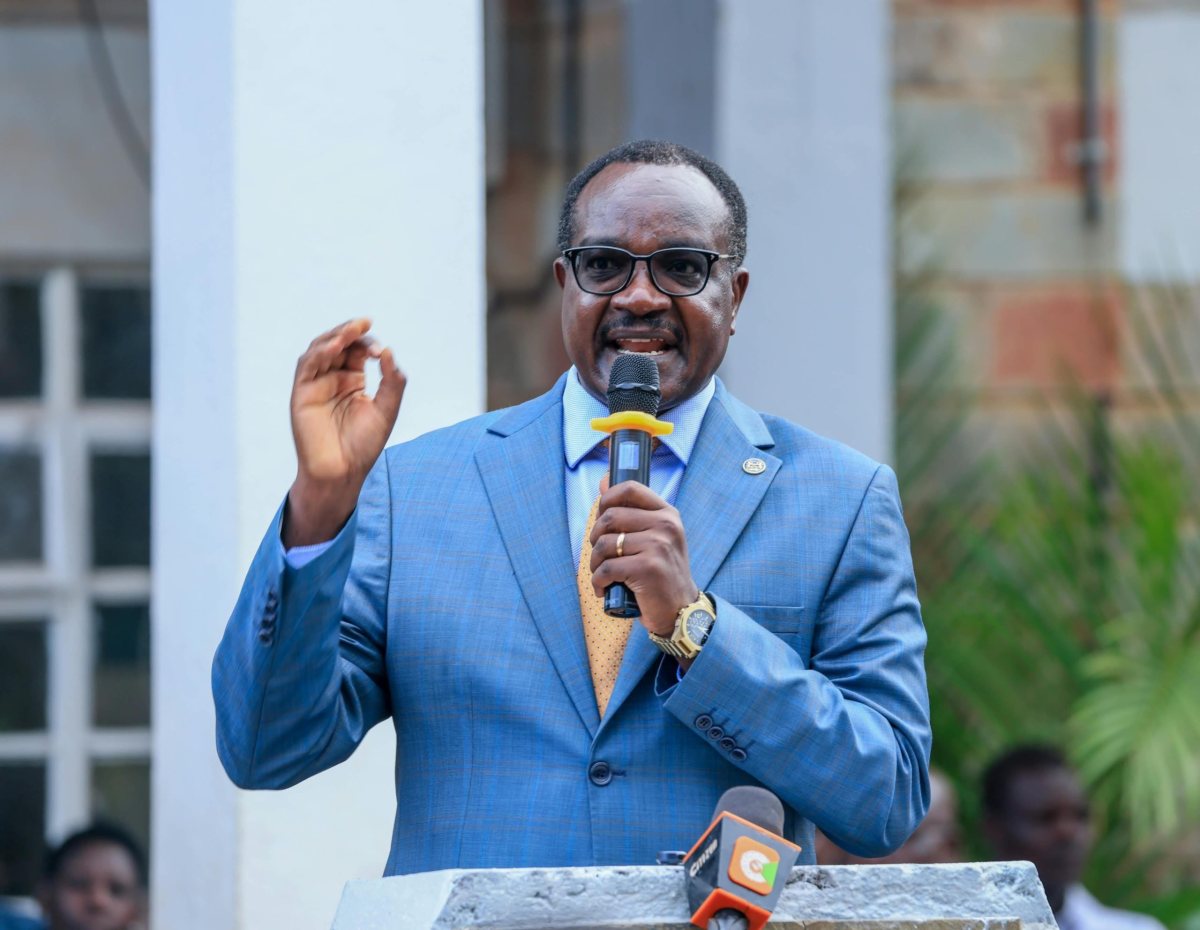
Results of the 2026 Kenya Junior School Education Assessment (KJSEA) will be released in December, while Kenya Certificate of Secondary Education (KCSE) and Kenya Primary School Education Assessment (KPSEA) results will follow in January 2027, Education Cabinet Secretary Julius Ogamba has said.
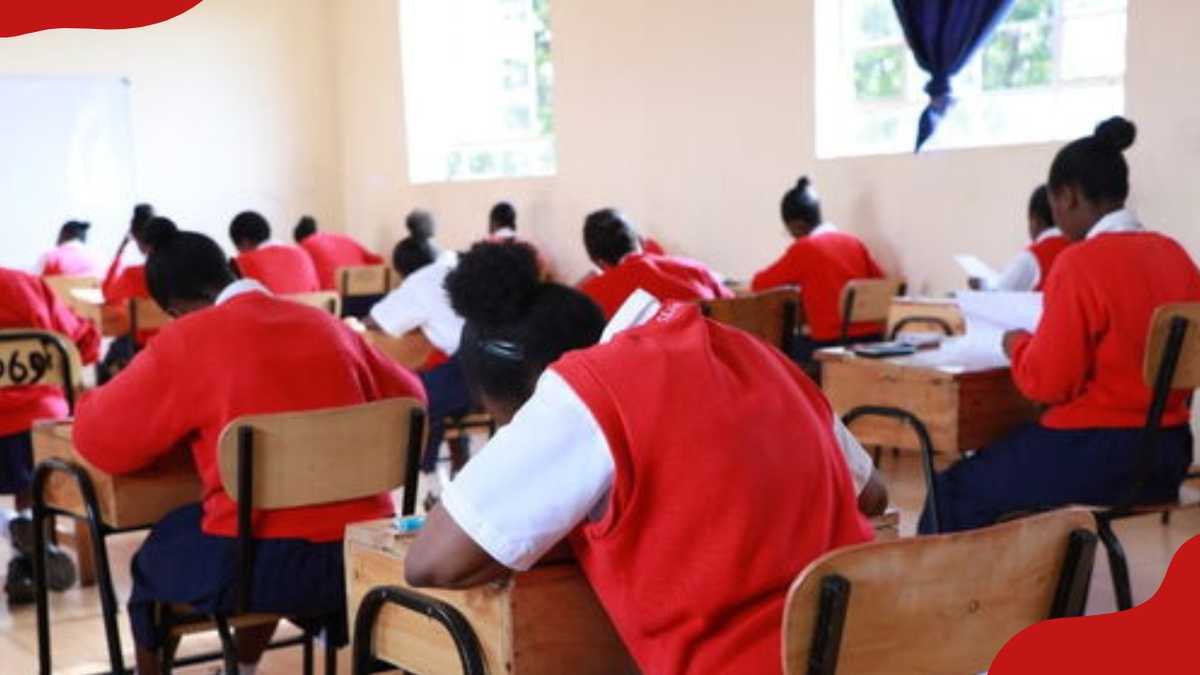
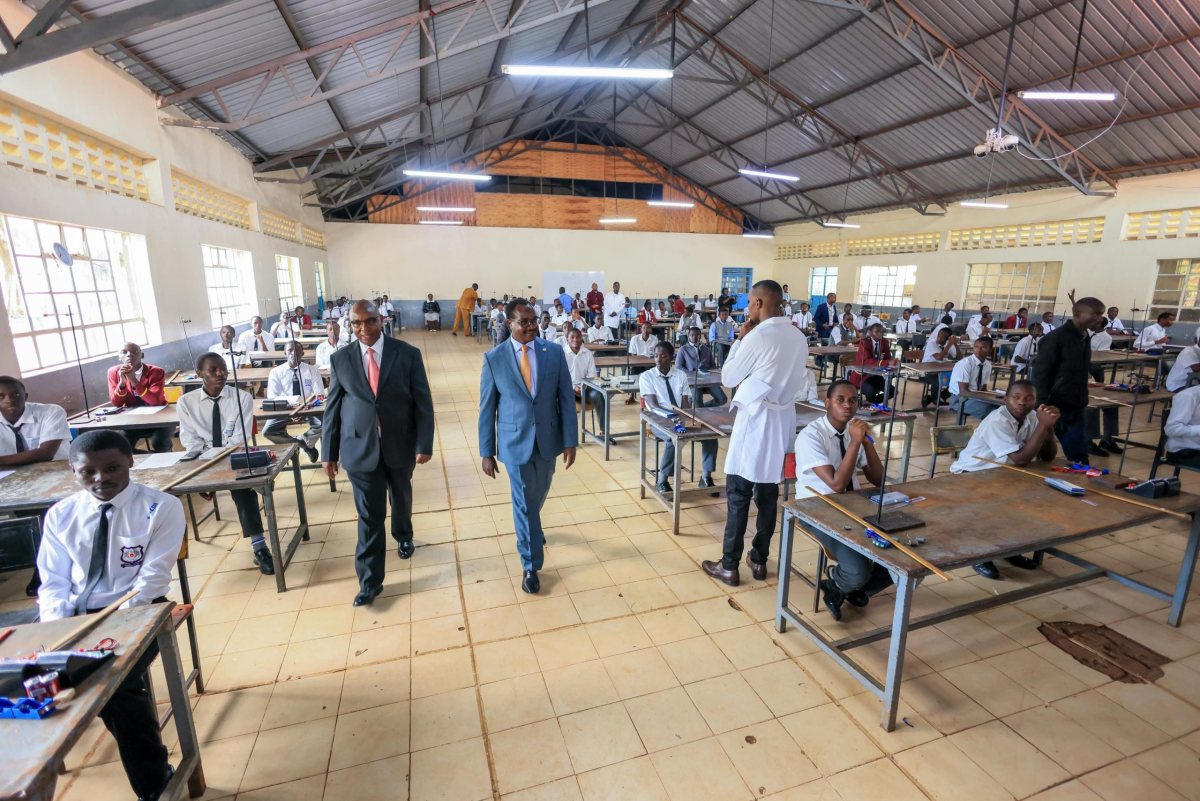
The announcement came as the national examination season ended on Friday with the close of the KCSE papers. The Kenya National Examinations Council (Knec) is now processing results for 3.63 million learners who sat the three national examinations and assessments this year, according to Nation Kenya.
Priority for Grade 9 learners
In a statement marking the end of the examination period, Mr Ogamba said the ministry had placed KJSEA scripts at the front of the queue. The aim is to release the outcomes within December so that the Ministry of Education can place learners in senior schools, at Grade 10, before January 2027.
The tight deadline leaves Knec only a few weeks to finish marking and processing the assessment. Parents and schools are waiting on the placement of the second group of learners moving to senior school under the competency-based curriculum.
According to the CS, marking of structured questions has already started. A total of 13,484 examiners are working in 24 marking centres, while multiple-choice questions are being scored by machine at the same time.
KCSE marking to begin promptly
KCSE marking is expected to involve about 34,170 examiners spread across 41 marking centres. Mr Ogamba said work on the answer scripts would begin without delay, with some of the marking done by machines.
This year's KCSE drew 1,048,355 candidates sitting in 10,693 examination centres across the country.
KPSEA results, which are also machine-scored, will be released in January 2027. The CS said they are meant to give feedback on learning achievement as pupils move to junior school at Grade 7.
A difficult examination season
The season was marked by tight security, suspected cases of malpractice, arrests and disruptions at some centres, Nation Kenya reported. It also unfolded as the government dealt with flooding and insecurity in several parts of the country.
Examination materials were distributed every day from 646 distribution centres. The Education ministry worked with the Ministry of Interior and National Administration, the Teachers Service Commission and other agencies to run the exercise.
Mr Ogamba said the multi-agency approach was needed because of the large number of candidates and the difficult terrain in some regions. He named the following among the areas hit by flooding during the examinations:
- Tana River
- Kitui
- Turkana
- West Pokot
- Wajir
- Mandera
Insecurity was reported in Moyale, Isiolo, Dadaab in Garissa County, as well as Kapedo and Arror.
The CS said government officers in the affected areas made arrangements to ensure every candidate sat their papers. These included the use of helicopters and other alternative transport to deliver examination materials, and the temporary relocation of some candidates to safer locations.
Assurance to candidates
As attention shifts to marking, Mr Ogamba sought to reassure the candidates that their results would be credible.
"As a ministry, we guarantee you fair and credible certification of your honest and hard work," he said.
The KJSEA outcomes will determine the pathways that learners completing Grade 9 will follow when they join senior school from January.
This story was prepared by the Hamasta Newsdesk with AI assistance, based on reporting by Nation Kenya. Read the original report.


Take your event live to thousands.
Multi-camera live streams, panel discussions and digital broadcasts with professional crews.




More in Education
See all.jpeg)
PS Ololtuaa urges private schools to partner public ones on AI and standards

Chandaria Foundation to spend Sh120m a year on university innovation hubs
Ogamba: Jobless Graduates Will Not Repay Student Loans Under New Funding Model
2026 KCSE exams end as government targets January 2027 for results
KJSEA 2026 results due in December ahead of Grade 10 placement, says CS Ogamba
Global Community Remarks
0