
Iran says it shot down US MQ-9 drone over Hormuz as peace efforts stall
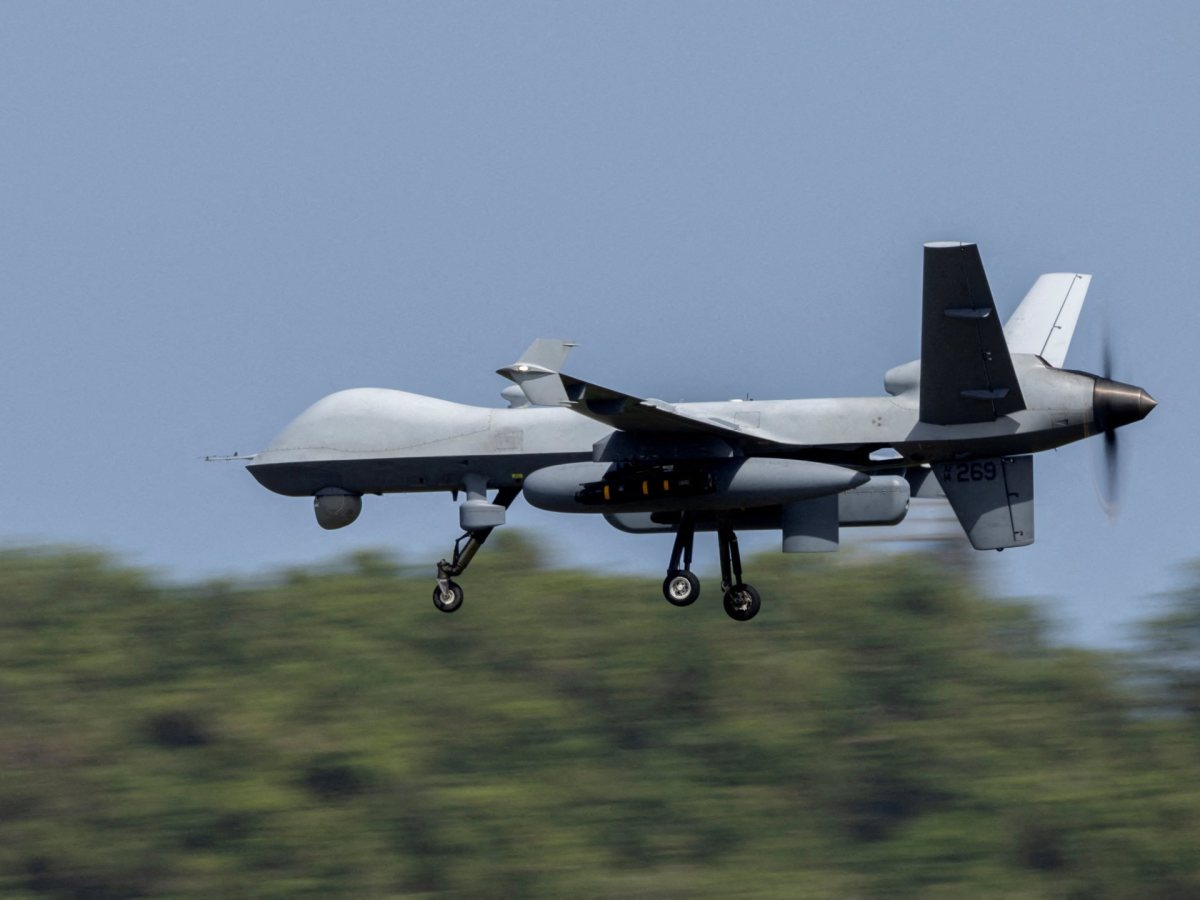
Iran's Islamic Revolutionary Guard Corps (IRGC) says it has shot down a United States MQ-9 drone over the Strait of Hormuz, as talks to end the war between the two countries remain deadlocked and Washington tightens economic pressure on Tehran.
According to Al Jazeera, citing Iranian state broadcaster IRIB, the IRGC said on Saturday that a new air defence system intercepted and destroyed the drone. The force described it as the 58th US MQ-9 brought down by Iranian forces.
The claim follows days of direct, tit-for-tat strikes between the US and Iran, alongside a rise in Iranian attacks on ships using the strait. In peacetime, about one-fifth of the world's oil and gas passed through the waterway.
A war with global costs
The war, launched by the US and Israel on February 28, has killed thousands of people, disrupted shipping, pushed up global energy prices and spread to countries across the region, Al Jazeera reported.
A memorandum of understanding signed by Washington and Tehran in June was never fully implemented because of disputes over freedom and security of navigation in the strait. Attacks have resumed periodically since July.
In August, The Washington Post reported that the US had lost 45 MQ-9 drones during combat operations in Iran, roughly a quarter of its fleet, at a cost of more than $1.3 billion.
Iran restates its conditions
Iranian Foreign Minister Abbas Araghchi, speaking to state media on Friday, referred to a seven-point proposal Tehran delivered to Washington in September. He said those conditions must be met before the Strait of Hormuz can reopen. They include ending the war, lifting sanctions and ending the naval blockade of Iran's southern ports.
Araghchi said Iran was open to negotiating how the conditions would be carried out and described its timetable as flexible, but added that talks would depend on the US taking confidence-building steps.
He ruled out sending Iran's stockpile of 60 percent enriched uranium abroad, though he said a fair solution was possible and that some mediators' proposals deserved consideration. He described the current "no war, no peace" situation as undesirable but said Iran would not accept a deal that handed victory to its opponent.
Trump dismisses 'fake deal'
At a White House news conference on Friday, US President Donald Trump said Tehran wanted an agreement, but not one he could accept.
"We want to make a real deal, not a fake deal," Trump told reporters.
Trump had said the previous week that a deal to end the war was not necessary.
Vice President JD Vance, who has previously blamed the war for Republicans losing both chambers of Congress earlier this month, declined to say whether he would have authorised the strikes. He said the decision to attack in February was the president's and that his role was to support him.
New sanctions on 'oil trustees'
Also on Friday, the US Treasury announced sanctions on four Iranians it accuses of acting as "oil trustees", collecting proceeds from illicit oil sales to help Iran evade sanctions and the naval blockade. The Treasury said many of them had kept oil revenue for personal gain.
Those named include:
- Mohammad Javad Bavand, a former IRGC intelligence officer;
- Majid Taj, brother of Iranian Football Federation President Mehdi Taj;
- Mohammad Hossein Servati, son of IRGC Brigadier General Mohsen Servati, linked to firms that brokered Iranian oil for independent Chinese "teapot" refineries;
- Mojtaba Arabnejad, son of sanctioned Mahan Air chief executive Hamid Arabnejad, accused of buying aircraft parts for the airline and overseeing oil sales that partly supported it.
The designations freeze any assets the men hold under US jurisdiction and effectively bar dollar transactions with them or entities they control.
Pressure in Congress
In Washington, Democratic Representatives Yassamin Ansari and Ro Khanna urged colleagues to use an upcoming government funding bill to cut spending on offensive operations against Iran, citing the war's mounting costs.
Congress must pass a spending bill by December 11 to avoid a possible government shutdown, a risk that has made some Democrats cautious. Senior Democratic appropriators Rosa DeLauro and Patty Murray have said they would rather find ways to end the war without triggering a shutdown.
This story was prepared by the Hamasta Newsdesk with AI assistance, based on reporting by Al Jazeera. Read the original report. Photo: Al Jazeera.


Take your event live to thousands.
Multi-camera live streams, panel discussions and digital broadcasts with professional crews.




More in International
See all
UK and EU sign three deals in Brussels to reset post-Brexit relations

UN 'killer robots' talks end without binding ban as states extend negotiations to 2028

Toxic alcohol kills 11 and sends over 180 to hospital in India's Manipur
Deadly fire at Iraq's Hartha power station in Basra spreads to nearby homes

Moyale clashes displace about 700,000 in southern Ethiopia, 50,000 flee to Kenya

Global Community Remarks
0