
EU's Costa proposes 3% tax on big tech in slimmer 2028-2034 budget draft
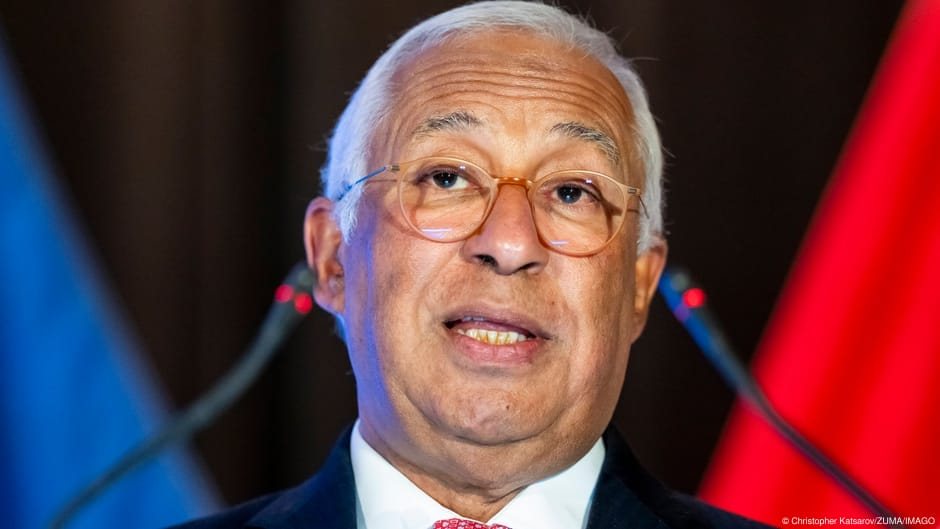
European Council President Antonio Costa has put forward a reduced draft of the European Union's 2028-2034 budget that would impose a 3% levy on large digital companies, according to DW News. The tax is designed to lower the amounts member states must pay into the bloc's common purse.
The new draft is €204 billion smaller than an earlier version, but it has already run into resistance. France swiftly rejected it, describing the proposal as "deeply disappointing."
A response to earlier criticism
The EU budget is the shared pool of money the 27-member bloc uses to fund a wide range of activities, from farm subsidies and infrastructure to border management and defence.
The European Commission published a first draft of the 2028-2034 spending plan in 2025. That version drew criticism, particularly from a group of northern European states, including Germany, which pushed for a significantly smaller budget, DW News reported.
Costa's revised plan, which trims the overall size, is his attempt to bridge those differences.
Who would pay the tech tax
The most notable element of the proposal is a levy on digital businesses. It would apply to companies earning at least €50 million a year from digital activities within the EU and at least €750 million worldwide.
According to Costa, qualifying firms would make an annual contribution equal to 3% of their net turnover from online advertising, digital intermediation services and user-generated data.
The digital levy forms part of what the proposal calls a "balanced basket of new own resources". Other revenue sources in the package include taxes on tobacco products and on electronic waste.
The stated aim of these new income streams is to keep national contributions at a reasonable level, meaning governments would pay less than they otherwise would.
Costa upbeat, Paris unconvinced
Costa defended his draft as a practical compromise. He described it as "a realistic budget that addresses our new priorities while preserving our established policies" and said he believed it offered a good basis for reaching a final deal.
France disagreed. The French presidency said the plan fell well short of what was needed, singling out the Common Agricultural Policy and the need to guarantee income support for farmers.
"As it stands, this proposal from the President of the European Council does not provide a basis for an agreement." — French presidency
The reaction from Paris suggests that a final settlement could still be some distance away, with member states divided between those seeking a leaner budget and those keen to protect existing spending, especially on agriculture.
What happens next
Neither Costa nor the European Commission will have the final say on the budget. The draft is expected to dominate lengthy discussions when EU leaders gather in Brussels next week.
The bloc hopes to reach a general agreement on the 2028-2034 budget by the end of 2026, with formal adoption planned for 2027, DW News reported.
The proposed levy is likely to be closely watched beyond Europe, as it would target the advertising, platform and data revenues of the world's largest technology companies operating in the EU market.
This story was prepared by the Hamasta Newsdesk with AI assistance, based on reporting by DW News. Read the original report. Photo: DW News.


Take your event live to thousands.
Multi-camera live streams, panel discussions and digital broadcasts with professional crews.




More in International
See all
Mexican drug lord on FBI's most wanted list captured after shoot-out in Sinaloa

Iran weighs nuclear doctrine shift as war with US and Israel drags on

Tankers struck near Oman as Iran tightens control of Strait of Hormuz

Russian missiles hit Zelenskyy's hometown Kryvyi Rih, killing boy, 7, and woman, 20

Russian firm linked to Abramovich harvested data from Swedish websites, probe finds

Global Community Remarks
0