
Iran weighs nuclear doctrine shift as war with US and Israel drags on
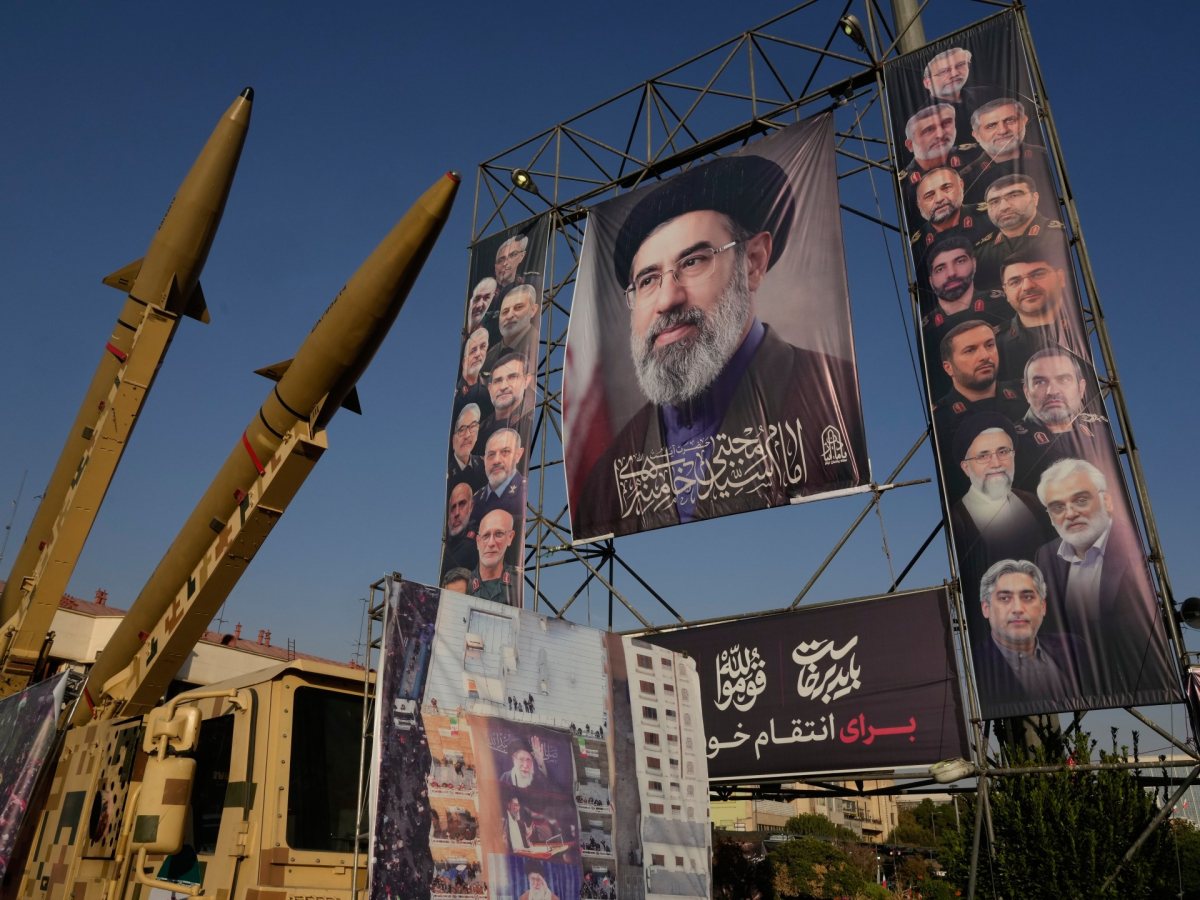
Iran's Foreign Minister Abbas Araghchi has acknowledged that a significant internal debate is under way over whether the country should keep its long-held policy of a purely civilian nuclear programme, according to Al Jazeera.
Speaking to the state-run IRNA news agency on Saturday, Araghchi said Iran's stockpile of enriched uranium would stay inside the country and be used according to national needs, however those needs come to be defined. His remarks have fuelled speculation that Tehran could move away from its stated position amid its conflict with the United States.
The minister described the discussion as a major strategic question that deserves serious examination because it touches on national security. He said those pushing for change argue that the current no-weapons approach has failed to shield Iran's nuclear sites, which have been struck by US and Israeli forces both last year and this year.
He conceded, however, that any formal change would carry far-reaching consequences. "For now, our doctrine has not changed, and our official position remains the same," Araghchi said.
Growing calls inside Iran
Other senior figures have raised the same issue. Earlier this month, security chief Mohsen Rezaei said officials were discussing whether to stick with the existing doctrine if a new war broke out, while stressing no change had been made.
On November 12, the Assembly of Experts, the body that appoints Iran's supreme leader, said reviewing the country's defence doctrine and building deterrence had become unavoidable. Ali Fathollah-Nejad, director of the Center for Middle East and Global Order, told Al Jazeera this appeared to be the first time a governing institution had backed that position.
Iran has always insisted its programme serves peaceful ends such as electricity, medicine and agriculture, a stance reinforced by a long-standing religious decree from the late Ayatollah Ali Khamenei forbidding nuclear weapons. It also maintains that its right to enrich uranium under the Non-Proliferation Treaty, which it joined in 1970, is non-negotiable.
Stockpile concerns
Before Israel's strikes in June 2025, the International Atomic Energy Agency (IAEA) estimated Iran held about 440kg of uranium enriched to roughly 60 percent, well above the approximately 3 percent needed for power generation and much closer to the 90 percent required for a weapon.
In March this year, IAEA chief Rafael Grossi said at least 200kg was believed to have survived the US-Israeli attacks, probably buried at or near the Isfahan site. He has since said the agency cannot verify the quantity or location because it lacks access.
Washington says the enrichment level shows Iran is seeking a bomb. US Vice President JD Vance questioned why Iran would need 60 percent enriched fuel if it did not want a weapon, while President Donald Trump has repeatedly said Iran must never obtain one. Israel's caretaker Prime Minister Benjamin Netanyahu last week accused Tehran of trying to revive its programme.
Divided leadership
Fathollah-Nejad said hardline lawmakers and clerics regard nuclear and missile capabilities as essential to regime security, while a rival camp, including former Foreign Minister Mohammad Javad Zarif, warns that pursuing weapons would almost certainly invite more US and Israeli attacks. For now, he said, Tehran is deliberately keeping its policy ambiguous.
Rouzbeh Parsi, an analyst at Lund University, told Al Jazeera that the war launched against Iran in February had changed Tehran's calculations, turning what was once a fringe idea of leaving the treaty and seeking a weapon into a real possibility, though not yet a decision.
Simon Mabon, a professor at Lancaster University, said traditional deterrence logic gives Iran a broadly rational defensive case, but warned that such a move would breach the treaty and require withdrawal from it. He added that Israel would likely read any shift as offensive and as grounds for renewed violence.
Stalled talks
The nuclear question remains the central obstacle to ending the war. The US wants guarantees that Iran will never build a weapon before agreeing to a full ceasefire, while Tehran insists its seven conditions, including lifting the blockade, unfreezing its assets and ending hostilities on all fronts, must be met before nuclear talks begin.
This story was prepared by the Hamasta Newsdesk with AI assistance, based on reporting by Al Jazeera. Read the original report. Photo: Al Jazeera.



Know what people say about you.
Media monitoring, audience insights and strategic communication for your brand.


More in International
See all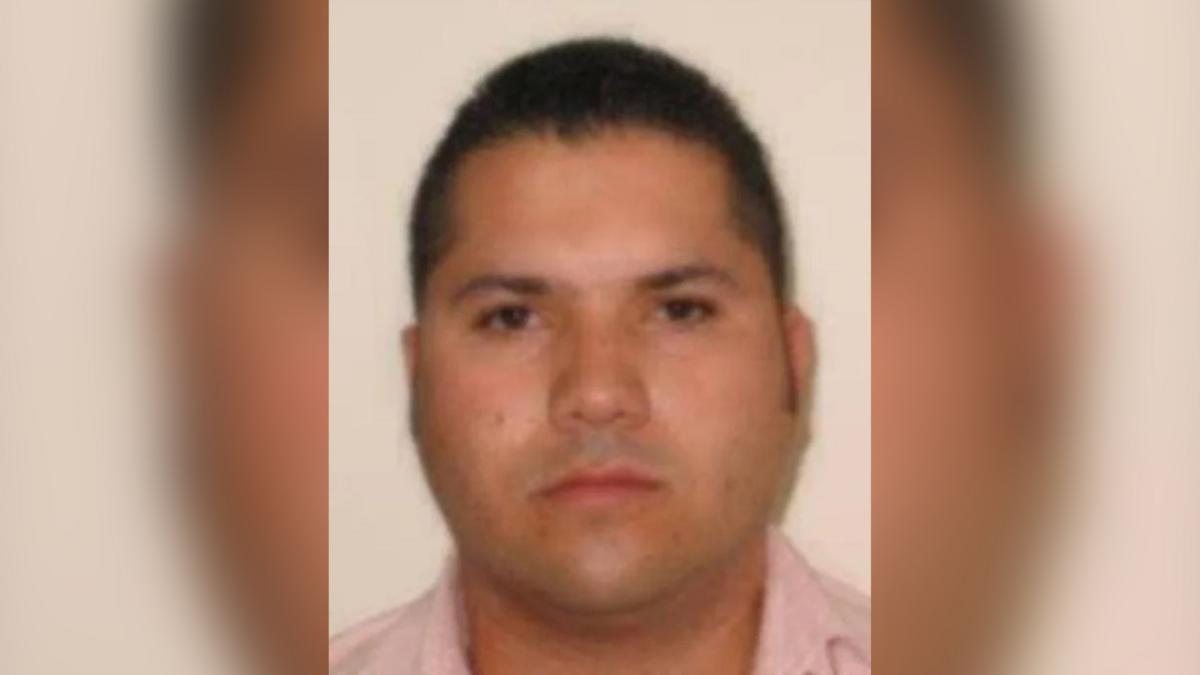
Mexican drug lord on FBI's most wanted list captured after shoot-out in Sinaloa
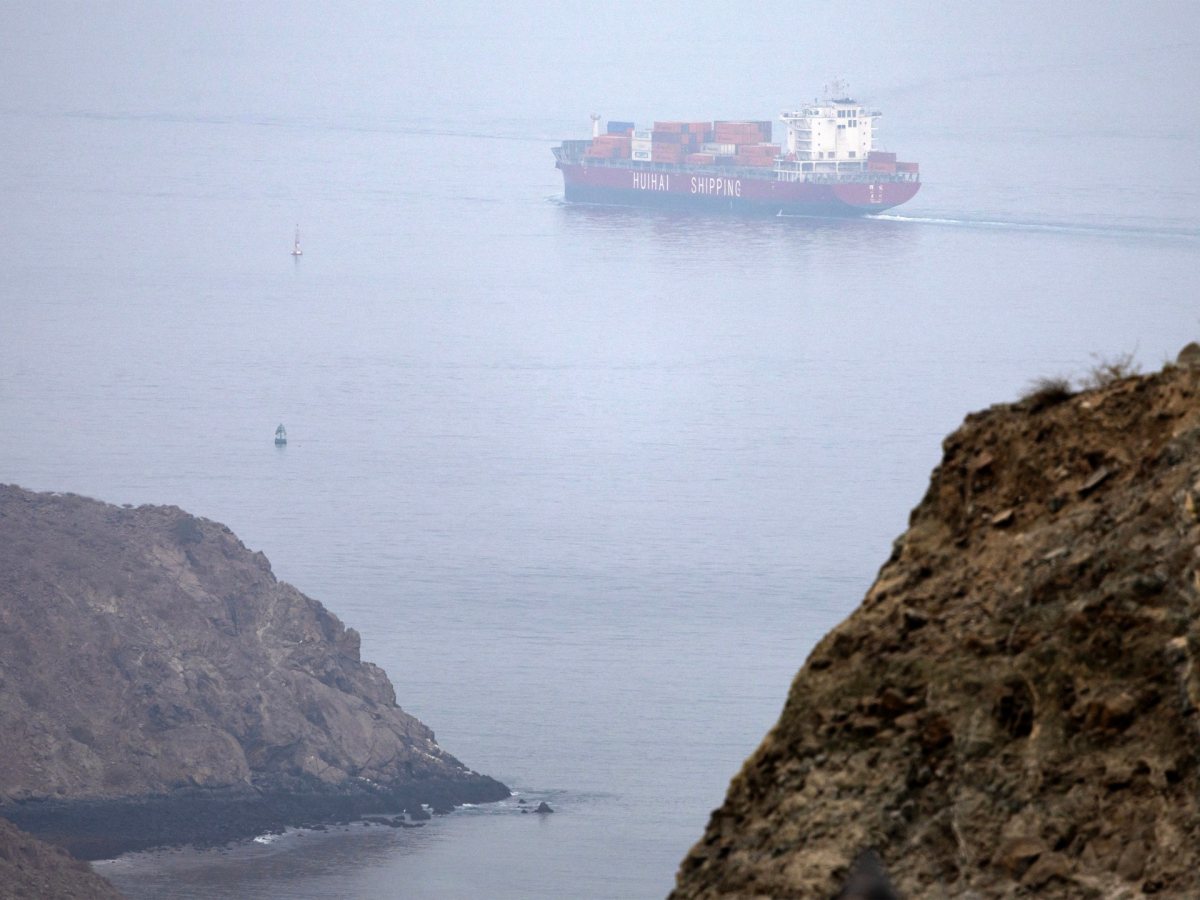
Tankers struck near Oman as Iran tightens control of Strait of Hormuz
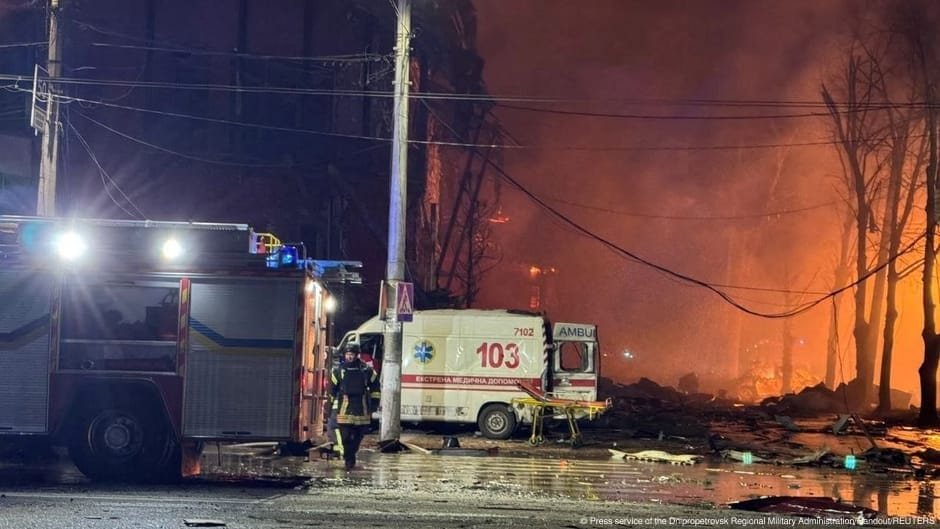
Russian missiles hit Zelenskyy's hometown Kryvyi Rih, killing boy, 7, and woman, 20
EU's Costa proposes 3% tax on big tech in slimmer 2028-2034 budget draft

Russian firm linked to Abramovich harvested data from Swedish websites, probe finds
Global Community Remarks
0