
WHO warns 39 million could die from antibiotic resistance within 25 years
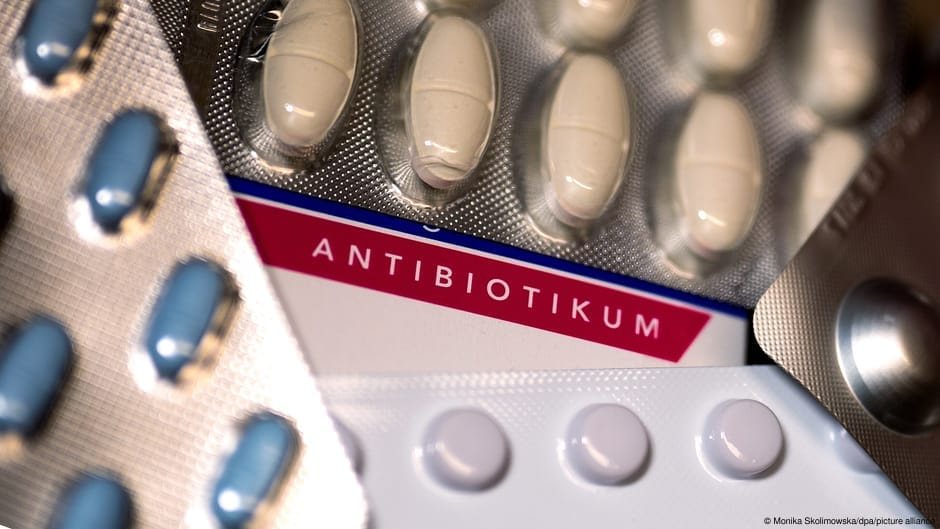
The World Health Organization (WHO) projects that antimicrobial resistance (AMR) will directly cause about 39 million deaths over the next 25 years, and warns that the world is not on course to meet its own targets for curbing the crisis, according to DW News.
Jean Pierre Nyemazi, acting director of the WHO's department of antimicrobial resistance, described the danger in stark terms during a recent virtual press conference. "The threat is immense," he said.
WHO member states have set a goal of cutting the death rate linked to AMR by 10% by 2030. But Nyemazi said current trends, investments and actions suggest that target is slipping out of reach.
A return to deadly infections
Can Imirzalioglu, director of the Institute of Medical Microbiology at Justus Liebig University Giessen in Germany, told DW News that losing effective antibiotics would mean returning to an era when even minor infections could kill. He warned that modern medicine as currently practised would no longer be possible without them.
Imirzalioglu is also an expert in "One Health", a concept adopted in 2004 by specialists in human medicine, veterinary medicine and nature conservation. It holds that the health of people, animals and the environment are tightly linked.
Resistant germs, he explained, are not confined to hospitals. They turn up in animal shelters, animal products, wastewater, fertilisers and plants, and One Health seeks to monitor all of these.
Misuse in clinics
For doctors and hospitals, the approach means prescribing antibiotics as selectively as possible. Research is therefore concentrating on faster and more accurate diagnostic tools.
Imirzalioglu said antibiotics are often prescribed in Germany for respiratory and urinary tract infections, even though the drugs work only against bacteria and are useless against viruses.
Every dose also harms the gut microbiome, the vast community of micro-organisms that supports digestion, metabolism and immunity. When these bacteria are damaged, resistant pathogens can take their place, often without causing symptoms. People can then become silent carriers who release resistant germs back into their surroundings.
From hospital drains to wild birds
Katharina Schaufler, a veterinarian and microbiologist at the Helmholtz Institute for One Health, traced one such route in a study. Resistant pathogens left hospitals through toilets and sinks, entered wastewater, reached the Baltic Sea and were then ingested by wild birds.
Schaufler said heavy use of antibiotics in veterinary medicine, alongside long-term use in humans, has driven resistance to almost all available antibiotics.
The European Union banned antibiotics as growth promoters in animal feed in 2006, limiting their use to veterinary treatment. However, she said factory farming makes medical use a constant necessity, as crowded animals spread infections quickly and injure one another out of boredom and lack of space in an environment already under high bacterial pressure.
Fertilisers carry resistant pathogens into the environment. Schaufler said resistant bacteria have been found on lettuce and repeatedly on meat.
Global gaps and weak political will
The two experts said national measures are not enough. In many countries, antibiotics are still routinely added to animal feed, and the drugs can be bought from pharmacies without a prescription, complicating the global response.
Imirzalioglu works on Guardian, a project funded by Germany's Federal Ministry of Research, Technology and Space, which monitors wastewater in the state of Hesse to head off outbreaks of resistant bacteria. He also advises the EU-level Antimicrobial Resistance One Health Network.
He said expert proposals are frequently diluted or blocked by policymakers at an early stage.
"The experts and working groups have great ideas, and then these are often scaled back or stifled," Imirzalioglu said.
Against that backdrop, Nyemazi has appealed directly to individuals. Preventing resistance, he said, starts with preventing infections through good hygiene, regular vaccination, routine medical check-ups and taking medicines exactly as prescribed.
This story was prepared by the Hamasta Newsdesk with AI assistance, based on reporting by DW News. Read the original report. Photo: DW News.


Grow an audience that listens.
Social media management, digital campaigns and online storytelling that converts.



More in Health
See all
Ndhiwa constituency;the annual Free medical camp

Children and youth make up 55% of new HIV cases as Kenya targets paediatric gaps

PS Muthoni Urges Parents to Watch Children Closely During School Holidays

Mau Forest conservation drive offers free treatment to 1,310 Keringet residents
Over 250,000 Kenyans screened for diabetes and hypertension under Boehringer drive
Global Community Remarks
0