
UAE foundation launches mobile eye clinics in Morocco and Mozambique
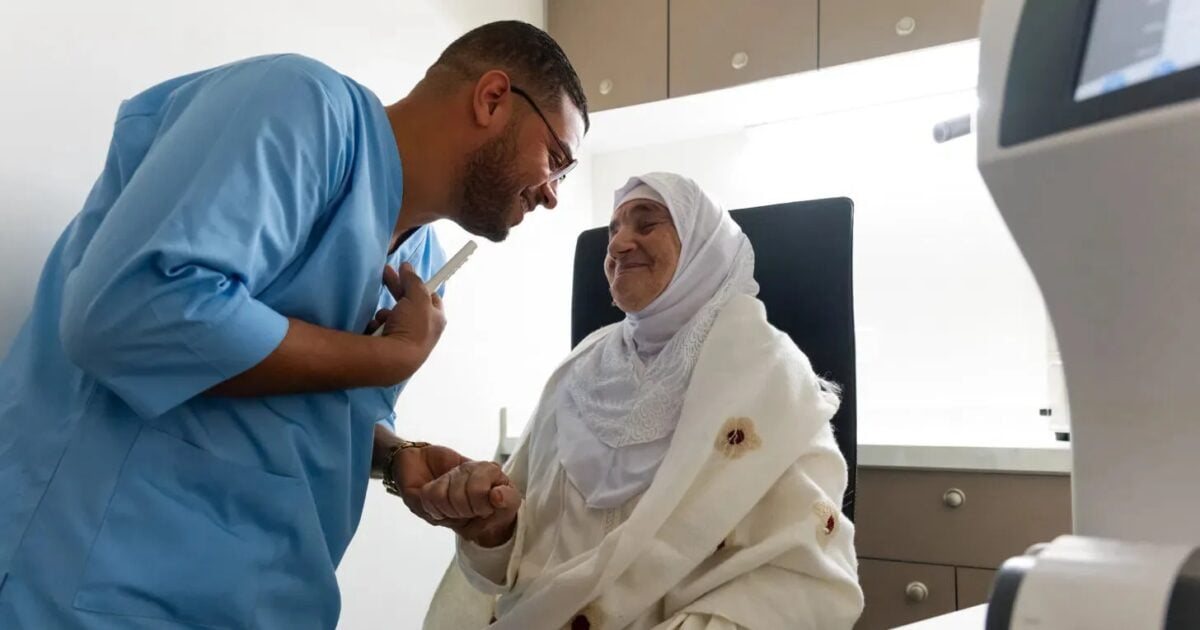
A United Arab Emirates charity has rolled out a mobile eye care programme aimed at tackling preventable blindness in rural Africa, beginning with Morocco and Mozambique, according to Capital FM Kenya.
The Mohamed bin Zayed Foundation for Humanity unveiled the initiative on Friday, November 20, 2026. It will offer vision screening, diagnosis and treatment of eye conditions, along with support for cataract surgery. The foundation is aiming to reach roughly 15,000 people across the two countries in the first six months.
Working through national health systems
The programme is being run jointly with the health ministries of Morocco and Mozambique. Rather than operating in parallel, the mobile clinics will be built into each country's existing health system, and patients who need specialised care will be referred to public health facilities.
Local health workers will join the mobile medical teams to diagnose and treat common eye conditions, hand out prescription glasses and identify patients who need surgery.
In Morocco, a mobile surgical unit will also be deployed to carry out cataract operations in collaboration with local healthcare facilities.
The foundation plans to extend the programme to other African countries where long distances and limited access to health services continue to keep communities from essential eye care. Lessons from the first phase are expected to shape later stages, with the foundation saying it will prioritise sustainable, country-led efforts.
A global burden of avoidable sight loss
At least 2.2 billion people worldwide live with some form of vision impairment, most of them in low- and middle-income countries, the report notes. At least one billion of those cases could have been prevented or treated with proper eye care.
The foundation's Director-General, Dr Shamma Khalifa Al Mazrui, said much of this sight loss could be resolved with fairly simple measures such as prescription glasses and cataract surgery, yet such care remains beyond the reach of many.
She argued that the benefits of restoring sight stretch beyond health, opening doors to education, jobs and financial independence, with knock-on effects for families, communities and national economies.
Governments welcome the partnership
UAE Minister of State Sheikh Shakhboot bin Nahyan Al Nahyan said the programme reflected his country's commitment to bringing healthcare to underserved populations. He said the clinics would take eye care directly to rural communities,
"ensuring that distance is no longer a barrier to treatment."
He added that the effort would tackle practical obstacles to accessing care and help thousands of people live healthier and more productive lives.
Morocco's Minister of Health and Social Protection, Youns Bjijou, said the partnership would complement government reforms intended to extend quality healthcare beyond the cities, by bringing timely diagnosis and treatment closer to rural residents.
Mozambique's Health Minister, Ussene Hilário Isse, said the programme would help cut the delays and long journeys that can leave patients at risk of preventable blindness. He said his government was committed to ensuring more people receive eye examinations and treatment without travelling far, and linked the effort to the guidance of President Daniel Chapo.
The foundation has not yet named which African countries will be included in subsequent phases of the programme.
This story was prepared by the Hamasta Newsdesk with AI assistance, based on reporting by Capital FM Kenya. Read the original report. Photo: Capital FM Kenya.


Grow an audience that listens.
Social media management, digital campaigns and online storytelling that converts.



More in Health
See all
US loses measles-free status as Brazil's rapid-response model offers a path back
.jpeg)
Nairobi Hospital CEO Felix Osano leaves after 18 months; Dr Magdalene Kamande to act
SHA says Ksh800,000 cancer cover intact despite changes to treatment approvals
Oluga, Kananu urge newsrooms to dig deeper into maternal and newborn deaths
Doctors, dentists and pharmacists urge tighter antibiotic controls as resistance grows

Global Community Remarks
0