
Over 250,000 Kenyans screened for diabetes and hypertension under Boehringer drive
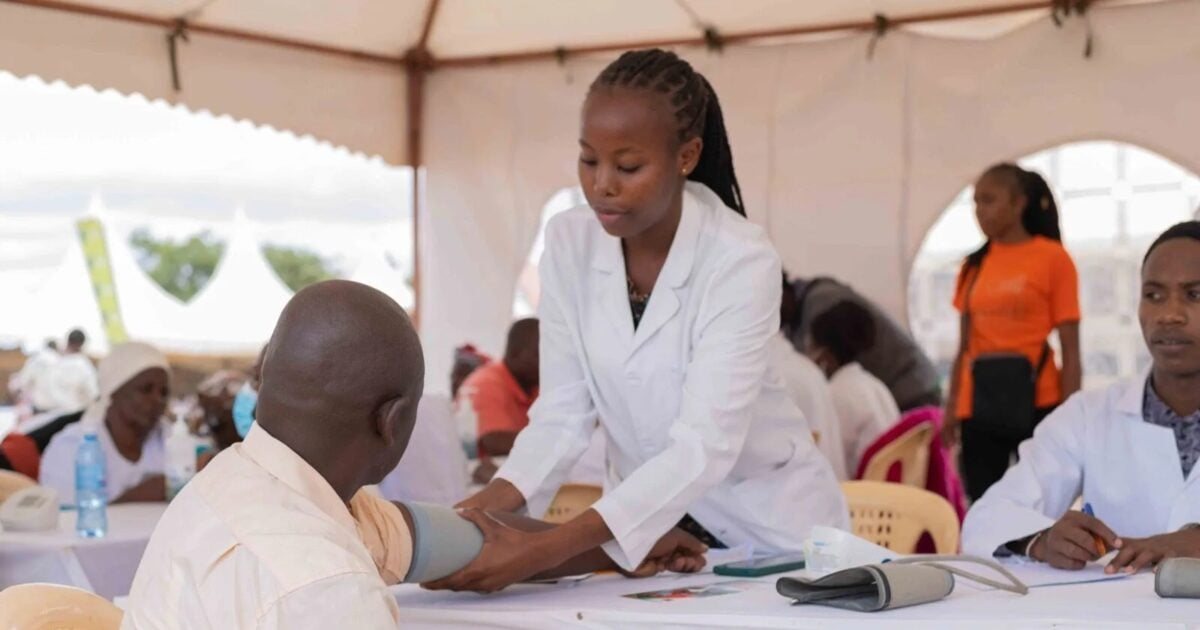
More than 250,000 Kenyans have been tested for diabetes and hypertension since 2022 under a community screening programme run by German pharmaceutical firm Boehringer Ingelheim, with over 20,000 of them now on treatment, according to Capital FM Kenya.
The figures were shared by George Kuria, the company's Sustainable Development for Generations and Access to Health Manager for Sub-Saharan Africa, who said the Access to Healthcare programme aims to catch the two conditions early and connect those diagnosed to ongoing care.
Kuria told Capital FM Kenya that the initiative has reached all 47 counties, with a particular emphasis on rural populations where health facilities are scarce.
Taking screening to communities
The programme, launched in 2022, is delivered with healthcare partners including Zuri Health. It relies on mobile outreach clinics and community screening camps, where residents undergo health assessments and receive guidance on preventing and managing the diseases.
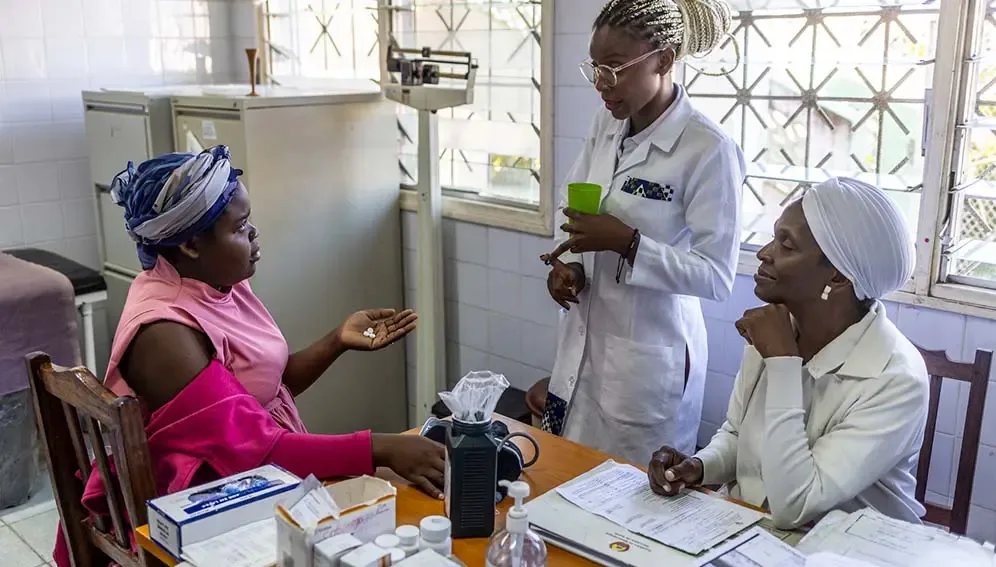
People found to have hypertension or diabetes are linked to continuing care. This includes access to medicines under a tiered pricing arrangement, follow-up support and nurse-led health coaching meant to help patients understand their conditions, stick to their prescriptions and attend regular reviews.
Kuria said the follow-up element was vital because some patients drop out of treatment after diagnosis, whether because of cost, difficulty obtaining medicine or a poor grasp of the risks they face.
Why cases go undetected
He blamed the large number of undiagnosed cases on poor health-seeking habits, the cost of treatment, limited access to facilities and low public awareness of non-communicable diseases (NCDs).
Many Kenyans, he said, only see a doctor once symptoms or complications appear rather than going for routine checks. Without regular blood pressure and blood sugar tests, both conditions can go unnoticed, raising the risk of complications that need costlier, specialised care.
Kuria also pointed to a gap between towns and rural areas. Urban centres generally have better-equipped facilities, more qualified staff and easier access to health information, while people in remote areas often rely on understaffed, under-resourced facilities or travel long distances for care.
He listed the high cost of moving medical supplies, weak investment in rural health infrastructure and difficulty attracting health workers to underserved regions as further hurdles. Language barriers and cultural beliefs also play a role, he said, with some people avoiding check-ups for fear of learning they are ill.
"They seek health services reactively, not proactively," Kuria said.
Cost of late diagnosis
According to Kuria, patients diagnosed at advanced stages often need specialised services, extra medication and referrals to higher-level hospitals, increasing the financial strain on families and the health system. Complications can also leave patients unable to work and dependent on relatives.
The programme comes as other facilities expand diabetes services. On November 16, Mbagathi County Referral Hospital said it had increased its diabetes clinic days from two to five a week to improve diagnosis, treatment and long-term care.
The World Health Organisation estimates that about 18 million people died from NCDs before the age of 70 in 2021, with 82 per cent of those premature deaths occurring in low- and middle-income countries.
Call for wider collaboration
Kuria urged closer cooperation between government and private healthcare providers to scale up screening, improve access to medicines and raise awareness of chronic illnesses. He also proposed adding lessons on diabetes and hypertension to school curricula so young people understand the risk factors and the value of healthy lifestyles.
Screening on its own, he stressed, will not ease the NCD burden unless those diagnosed can also get affordable medicines and consistent support. He encouraged Kenyans to make routine health checks a habit and seek care early.
This story was prepared by the Hamasta Newsdesk with AI assistance, based on reporting by Capital FM Kenya. Read the original report. Photo: Capital FM Kenya.


Take your event live to thousands.
Multi-camera live streams, panel discussions and digital broadcasts with professional crews.




More in Health
See all
UAE foundation launches mobile eye clinics in Morocco and Mozambique
US loses measles-free status as Brazil's rapid-response model offers a path back
.jpeg)
Nairobi Hospital CEO Felix Osano leaves after 18 months; Dr Magdalene Kamande to act
SHA says Ksh800,000 cancer cover intact despite changes to treatment approvals
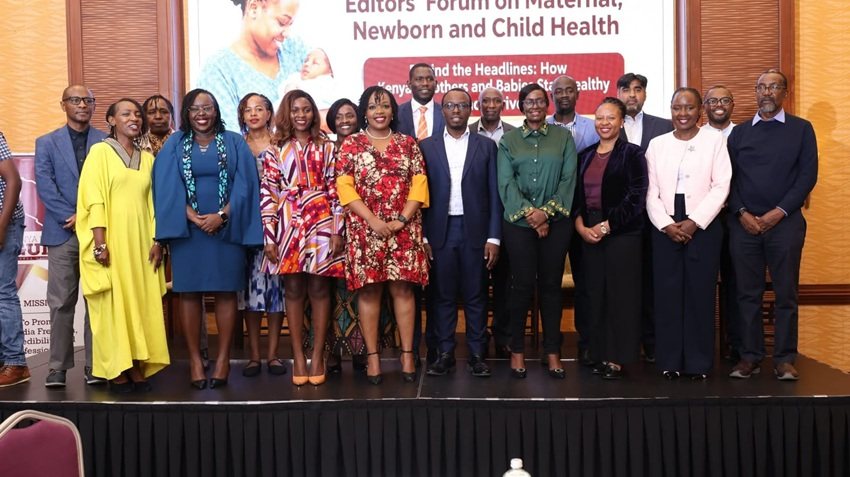
Oluga, Kananu urge newsrooms to dig deeper into maternal and newborn deaths
Global Community Remarks
0