
Darfur families displaced to Khartoum brace for cold winter as Sudan aid dries up
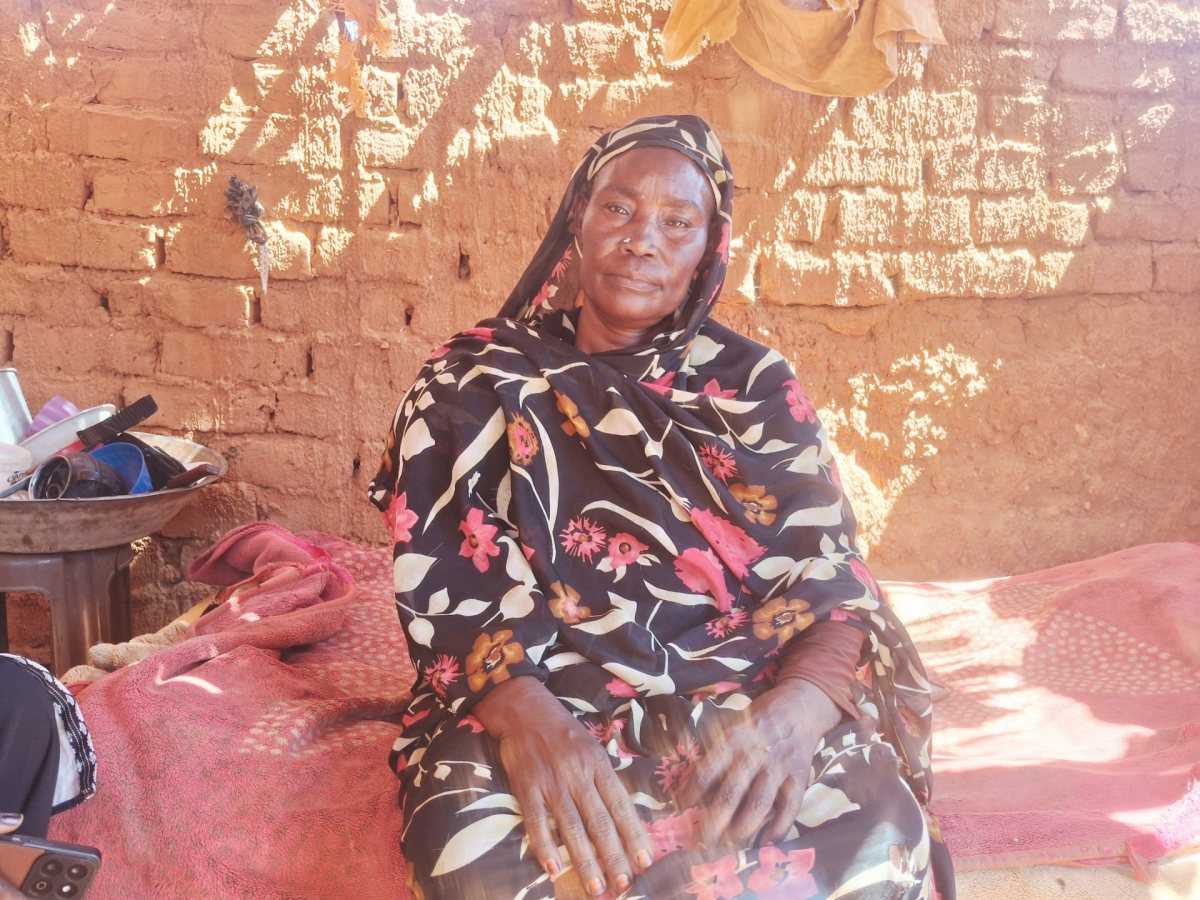
Families who fled fighting in Sudan's Darfur region are facing a harsh winter in makeshift shelters around Khartoum state with little or no humanitarian help, as funding shortfalls force aid agencies to cut back, according to Al Jazeera.
In al-Ghadir, an area north of Omdurman, displaced people living in crumbling mudbrick buildings and unfinished structures say they lack blankets, warm clothing and reliable food. Night temperatures there can fall sharply because the area lies close to mountainous terrain.
A grandmother raising four children alone
Fatima Mohamed Haroun, who believes she is about 60, fled West Darfur when the war began in 2023. Her son went missing a year ago and his wife died after childbirth, leaving Haroun as the only carer for four grandchildren.
She told Al Jazeera she has received no humanitarian assistance since being displaced and depends on neighbours for occasional meals. When they have nothing to share, she said, she and the children go to bed hungry.
"We sleep on the ground with only the sky above us," Haroun told Al Jazeera.
She appealed to the government and aid organisations for food, blankets and other basic supplies to protect the children from the cold.
Millions without shelter
The conflict between the Sudanese Armed Forces (SAF) and the paramilitary Rapid Support Forces (RSF), which erupted in April 2023, has produced one of the world's worst humanitarian crises.
Khartoum state, once a main battleground, is now relatively calmer and hosts large numbers of people who have fled continuing fighting in the south and west of the country. As of July 30, the state was home to 414,252 internally displaced people, according to the International Organization for Migration's Displacement Tracking Matrix (DTM).
Nationally, Sudan has more than 8.5 million internally displaced people, according to DTM Sudan. The IOM and the UN refugee agency, UNHCR, estimate that about 15.4 million people need emergency shelter and basic household items, but say funding gaps mean aid groups can prioritise only 10 percent of them.
The agencies also cited fighting, insecurity, drone strikes on civilian infrastructure and camps, and logistical hurdles as obstacles to delivering aid. Less than half of the $2.9bn sought under Sudan's 2026 Humanitarian Response Plan, which aims to reach 20.4 million people, has been received, forcing some services to be scaled back.
Regional government admits shortfall
Abdelaziz Suleiman Ori, director of culture and information for the Darfur regional government, told Al Jazeera his administration is monitoring displaced people in host states, including Khartoum, and has drawn up a winter plan covering blankets, clothing, food and children's supplies.
He said Governor Minni Arko Minawi had sent humanitarian convoys from Port Sudan to el-Fasher since the war began, but conceded that resources fall well short of needs. Ori said responsibility is shared among the regional government, host states, local communities and humanitarian organisations, and called for greater cooperation.
'We were not poor'
Kheira Matar Hassan, from Darfur, travelled through Renk, Rabak and Khartoum before settling in al-Ghadir camp in 2023. Her husband left to seek work at a gold mining area in Chad around the same time and she has not heard from him since.
Now supporting seven children alone in a damaged brick and mud home patched with cloth and plastic sheeting, she earns irregular income washing and ironing clothes for local families. On days without customers, the family goes hungry. She said she has received no support from the government or NGOs.
Hassan told Al Jazeera her family once farmed their own land and had enough to eat before the war drove them out, and urged the world to consider their plight.
This story was prepared by the Hamasta Newsdesk with AI assistance, based on reporting by Al Jazeera. Read the original report. Photo: Al Jazeera.

Tell your story on screen.
Commercials, documentaries, interviews and social video, from script to final cut.





More in International
See all
Three dead, 36 missing after fire guts Indonesian candy factory in Banten
COP31 talks in overtime as new draft deal seeks to rescue climate summit
Displaced Gazans protest as Israeli strikes and demolitions continue near 'Yellow Line'
.jpeg)
Dashcam captures Russian strike on Lviv as barrage kills two, injures at least 10
Nigeria's young voters turn away from the ballot as 2027 election approaches

Global Community Remarks
0