
Somalia expels UAE envoy as row with Abu Dhabi tangles with domestic power fight
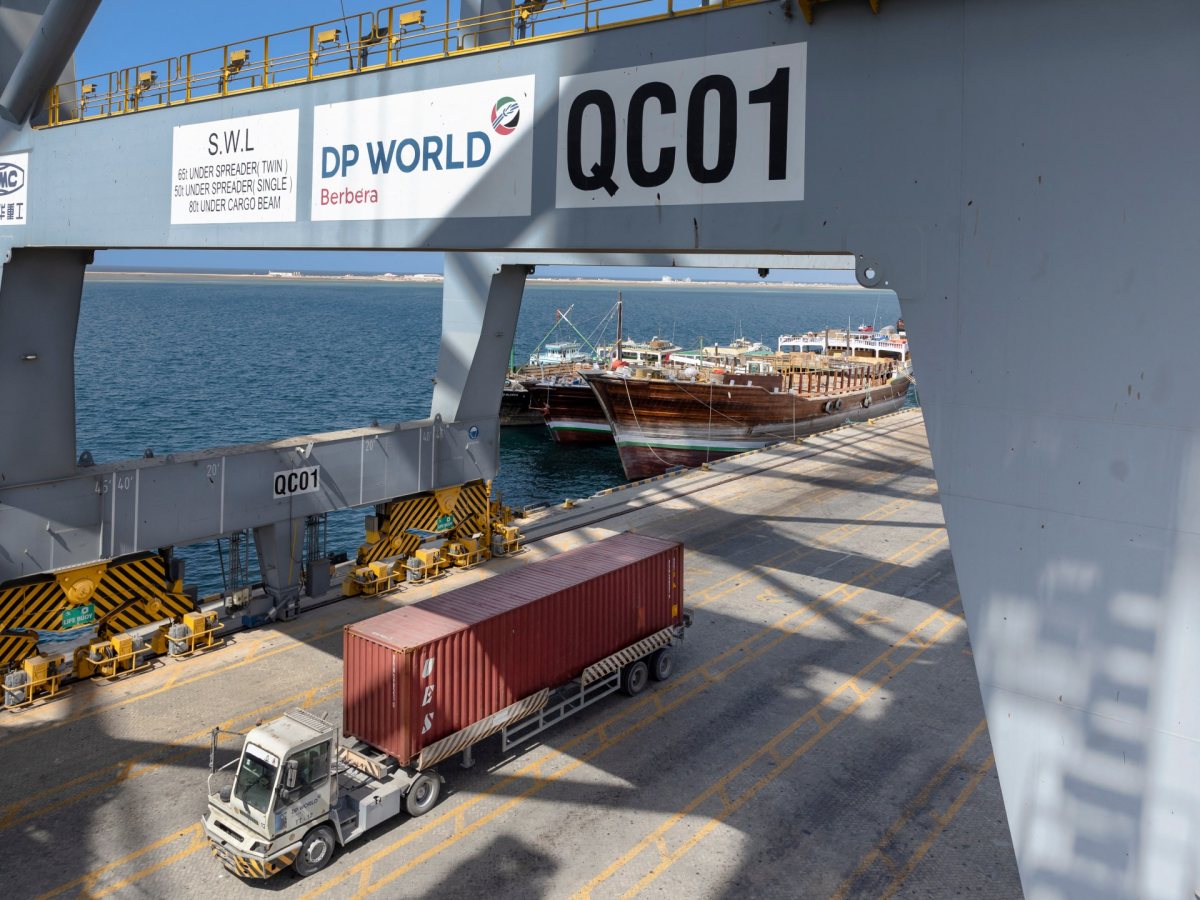
Somalia has ordered the United Arab Emirates' ambassador to leave the country and recalled its own envoy from Abu Dhabi. Analysts say the move reflects President Hassan Sheikh Mohamud's widening battle with regional leaders who have built close ties with the Gulf state, according to Al Jazeera.
The expulsion order, issued on November 19, is the deepest break yet in a relationship that once rested on security cooperation and strong commercial links. The UAE said it had already pulled its diplomatic staff out of Mogadishu in January.
From defender to critic
The rupture is a sharp turnaround for Mohamud. Three years ago, at a town hall meeting in Mogadishu, he called the UAE a key pillar of Somalia's fight against al-Shabab, the armed group linked to al-Qaeda.
Two days before the expulsion, however, he publicly accused Abu Dhabi of deepening political divisions, funding rival regional administrations and supporting armed groups outside federal control. "A brother does not burn your house," he said.
Somalia's national security adviser, Awes Hagi Yusuf Ahmed, said on X that the federal government had concluded that UAE policies threatened national security. Senior Emirati official Anwar Gargash responded that ties with Somalia would stay strong, while the UAE accused Mogadishu of letting internal disputes damage bilateral relations.
The latest step follows Somalia's annulment in January of several commercial, defence and security agreements with the UAE. Mogadishu said at the time that the UAE had secretly moved Yemeni separatist leader Aidarous al-Zubaidi through Somaliland without permission.
Ports and regional influence
The UAE is one of Somalia's main trading partners, but its heaviest investments are in Somaliland, Puntland and Jubbaland, the region that borders Kenya.
Dubai's state-owned DP World has expanded Berbera port in Somaliland and developed a trade corridor linking it to Ethiopia. Its subsidiary P&O Ports runs Bosaso port in Puntland. Both ports are important sources of income for the regional administrations.
Abu Dhabi has also built military facilities near both ports and helped set up and fund the Puntland Maritime Police Force, originally created to fight piracy. A regional security official told Al Jazeera the UAE has backed Puntland's campaign against ISIL with drone strikes.
Somaliland's foreign minister, Abdirahman Dahir Adam, told Al Jazeera that Emirati investment had made Berbera a significant regional gateway. When Mogadishu cancelled its UAE agreements, Somaliland, Puntland and Jubbaland said their own deals, particularly on ports, remained valid.
A domestic power struggle
Analysts say the dispute is bound up with Mohamud's push for constitutional and electoral changes that Puntland and Jubbaland argue would weaken their autonomy. Somaliland, which declared independence in 1991, rejects Mogadishu's authority altogether.
Aweis Ahmed, a Somalia expert at Chatham House, told Al Jazeera that Emirati support had helped Mohamud's opponents block his reforms, and that the row was driven more by local politics than by questions of sovereignty.
Somali officials have also accused the UAE of backing Abdiaziz Hassan Laftagareen, the ousted leader of Southwest State, who has been fighting to retake towns around Baidoa. Turkish-trained federal forces helped remove him from power. A similar effort to unseat Jubbaland leader Ahmed Mohamed Islam, known as Madobe, after his disputed 2024 re-election failed. In Puntland, regional forces have seized federal military bases.
Abdinor Dahir of the Adkaysi Institute told Al Jazeera that regional states' dealings with the UAE weaken federal authority and risk making foreign policy a lasting source of internal conflict.
Wider regional rivalries
The federal government has aligned with Turkiye, Qatar and Egypt, while some regions lean towards the UAE and Ethiopia, and Somaliland has moved closer to Israel.
Sudan has also complained to Mogadishu about the UAE's alleged use of Bosaso and Berbera to supply the Rapid Support Forces, the paramilitary group fighting Sudan's army, Al Jazeera reported.
This story was prepared by the Hamasta Newsdesk with AI assistance, based on reporting by Al Jazeera. Read the original report. Photo: Al Jazeera.
Every moment, captured beautifully.
Events, corporate portraits, products and editorial shoots by our newsroom photographers.





More in International
See all
Washington governor condemns ICE arrests of two people on Seattle airport jet bridge

Three dead, 36 missing after fire guts Indonesian candy factory in Banten
COP31 talks in overtime as new draft deal seeks to rescue climate summit
Darfur families displaced to Khartoum brace for cold winter as Sudan aid dries up
Displaced Gazans protest as Israeli strikes and demolitions continue near 'Yellow Line'
.jpeg)
Global Community Remarks
0