
Smartmatic bid for Kenya's 2027 KIEMS kits sparks procurement integrity questions

A technology firm facing criminal charges in the United States is among the bidders seeking to supply Kenya with new electoral kits for the 2027 General Election, raising concerns over the integrity of the procurement process, according to Tuko.
Smartmatic, which supplied the hardware used in previous Kenyan elections, submitted a tender after the Independent Electoral and Boundaries Commission (IEBC) moved to replace the Kenya Integrated Elections Management System (KIEMS) kits.
Assessment recommended new technology
The tender followed an independent technical assessment of the KIEMS kits published in June 2026 by the Ministry of Information, Communication and the Digital Economy.
The report recommended that the existing equipment be decommissioned and replaced with newer technology. According to Tuko, the proposed replacement is intended to reduce the risk of obsolescence, support artificial intelligence and lower long-term costs.
The IEBC then advertised a tender for replacement tablets, the same category of equipment Smartmatic has previously provided.
US charges against the company
The United States Department of Justice (DOJ) has charged Smartmatic and several of its senior executives with conspiracy to violate the Foreign Corrupt Practices Act and with international money laundering.
Federal prosecutors allege the company ran a $1 million bribery scheme aimed at the former chairman of the Philippine Commission on Elections. They claim the cost of voting machines was deliberately inflated and the excess funds channelled through fictitious consulting deals and offshore shell companies in Asia, Europe and the US to pay corrupt officials. The charges have not been proven in court.
Despite the case, the firm was allowed to bid for the KIEMS replacement contract, Tuko reported.
Gachagua questions the change
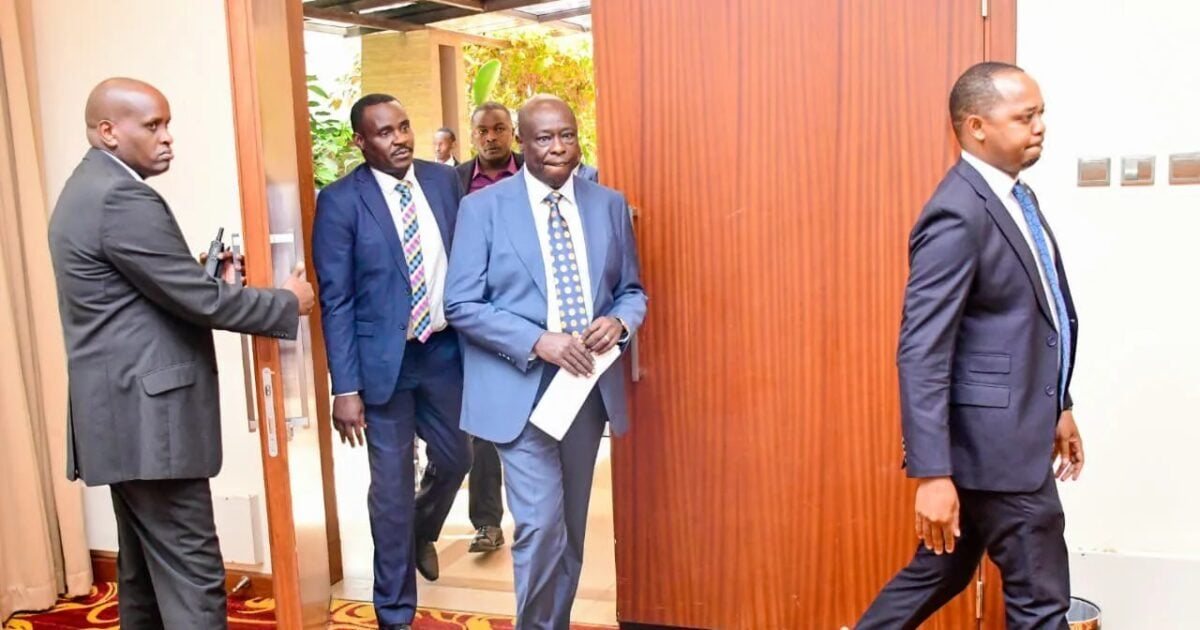
Former Deputy President Rigathi Gachagua has publicly challenged the IEBC's decision to seek a new supplier, questioning why the commission would move data from a company already operating in the country to a new entrant.
"What is the gain?" Gachagua asked, according to Tuko.
He also claimed, without providing evidence, that the effort to replace Smartmatic was part of a plan to manipulate voter registers in certain regions, and urged the commission to keep the firm.
Past incidents in Kenya
Tuko also pointed to Smartmatic's record in Kenya. Ahead of the August 2022 elections, police arrested three Smartmatic contractors at Jomo Kenyatta International Airport after they were found with undeclared election deployment materials hidden in their personal luggage.
A later audit by the European Union Election Observation Mission found serious information security weaknesses, including shared login credentials that allowed multiple users to run high-level system commands without authorisation.
Record abroad
According to Tuko, the Philippines, once the company's biggest client, has barred Smartmatic from future election contracts after a series of incidents. These included nearly 700 corrupted SD cards discovered days before the 2019 vote, unauthorised script changes during live vote transmission, and a 2022 breach in which an employee accepted bribes to give a third party remote access to secure servers.
In El Salvador, a programming error reportedly caused the company's system to miscalculate preferential votes, prompting a fraud investigation by the Electoral Prosecutor.
In Venezuela, Smartmatic's own chief executive acknowledged that the government had manipulated turnout figures by more than one million votes using the company's platform, the report said.
What next
The IEBC has not been reported as having awarded the tender. The choice of supplier is likely to remain under close scrutiny as preparations for the 2027 polls gather pace, given the central role the KIEMS kits play in voter identification and results transmission.
This story was prepared by the Hamasta Newsdesk with AI assistance, based on reporting by Tuko. Read the original report. Photo: Tuko.



Know what people say about you.
Media monitoring, audience insights and strategic communication for your brand.


More in Politics
See all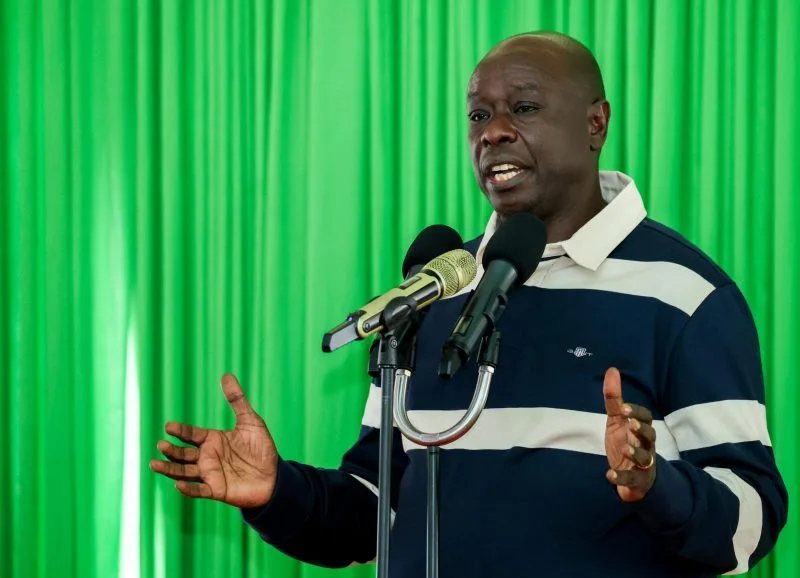
Gachagua welcomes IEBC talks invite but demands full day to air Smartmatic, ID concerns
Gachagua gives IEBC January deadline, threatens to mobilise Kenyans to its offices
Kakamega leaders seek tighter scrutiny of county procurement and spending
Murkomen accuses opposition of undermining IEBC ahead of General Election

Gachagua warns IEBC of mass protests over 2027 election, cites ID and registration gaps
Global Community Remarks
0