
Big banks ask CBK to delay new capital rules by a year ahead of 2027 polls
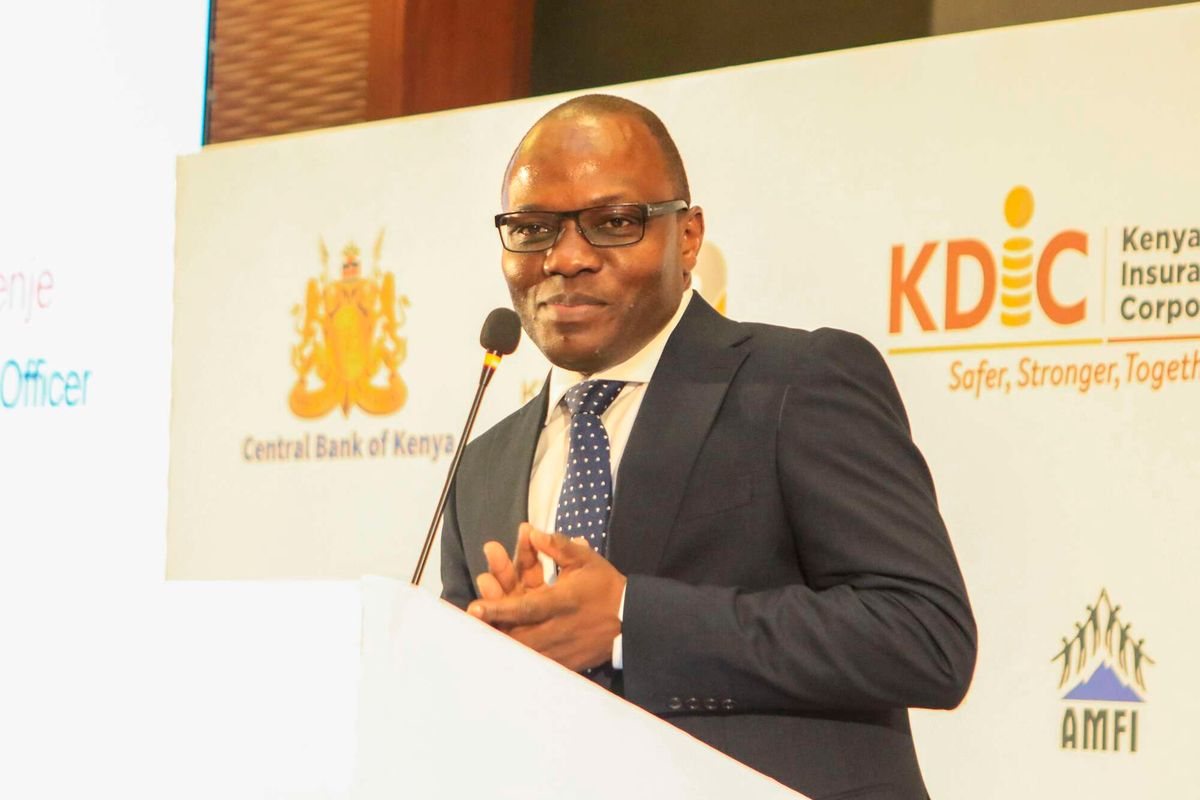
Kenya's largest banks have asked the Central Bank of Kenya (CBK) to delay new capital requirements for systemically important lenders by at least 12 months. They warn that the rules could disrupt lending as the country heads into the 2027 general election, according to Business Daily.
Chief executives of the big lenders met last week at a meeting convened by the Kenya Bankers Association (KBA), the industry lobby. They agreed to propose a one-year pause on the rules.
The banks argue that a delay would help cushion the economy against the slowdown that usually comes with election cycles. It would also give lenders more time to engage the regulator on the details.
What the new rules require
CBK's prudential guidelines for Domestic Systemically Important Banks (D-SIBs) are due to take effect on January 1, 2027. Under the framework, large lenders will have to hold extra capital buffers of between 0.5 and 2.5 per cent of their loan books.
The designation targets banks whose failure or distress would disrupt the local economy and the regional market. These institutions will be supervised to a higher standard than the rest of the industry.
In deciding which lenders qualify, CBK is expected to weigh a bank's size and its links with other institutions. It will also consider the bank's complexity and how hard it would be to replace in a particular service.
The guidelines also restrict dividends. Banks whose core capital falls below 8.625 per cent of their loan book will not be allowed to pay shareholders. The regulator wants lenders to build up common equity tier 1 capital, made up mainly of retained earnings, in proportion to the risks they take through lending.
Fears for credit recovery
KBA chief executive Raimond Molenje said the review would undo recent gains in private sector credit. He said micro, small and medium enterprises and agriculture were especially at risk.
He urged CBK to hold off on the reforms during the election year. He said the regulator should consult banks fully on how the changes would affect lending, dividends and capital raising.
"2027 must be different!" — Raimond Molenje, KBA chief executive
Private sector credit growth has rebounded sharply this year. It reached a multi-year high of 10.6 per cent in September 2026, up from a contraction of 2.9 per cent in January. CBK has noted strong borrowing in sectors including trade, building and construction, agriculture, finance and insurance, and consumer durables.
The recovery has been supported by lower average lending rates and a revised risk-based credit pricing model, which has made loan costs more transparent. Banks fear that the new rules, which would fall on the large lenders that dominate lending to households and businesses, could stall this momentum.
Core capital timelines still unresolved
KBA has previously cautioned against rolling out the prudential guidelines alongside the industry's move to a higher minimum core capital of Sh10 billion. The lobby says doing both at once would hurt lending. However, last week's meeting did not discuss core capital.
The National Treasury and CBK disagree over the timeline for raising core capital. CBK favours the original plan, under which banks would meet the Sh10 billion floor by December 2029 through annual steps. These are Sh5 billion by December 2026, Sh7 billion by December 2027 and Sh8 billion by December 2028.
The Treasury instead supports a single deadline of December 2032 for the Sh10 billion threshold.
Treasury Cabinet Secretary John Mbadi has said he is in talks with CBK Governor Kamau Thugge and expects the two institutions to agree. He said the final decision would be based on what is best for the economy.
This story was prepared by the Hamasta Newsdesk with AI assistance, based on reporting by Business Daily. Read the original report. Photo: Business Daily.


Take your event live to thousands.
Multi-camera live streams, panel discussions and digital broadcasts with professional crews.




More in Business
See all
Smaller banks outpace big lenders on fixed deposit returns as rates ease
CBK's Thugge backs Treasury plan to move county funds to Central Bank
CBK opens one-year graduate internships, caps age at 29 with December 10 deadline
Treasury cuts CBK overdraft by Sh90bn after tapping idle cash in state accounts
South Africa's FirstRand steps up hunt for a mid-sized Kenyan bank as Sh10bn capital rule nears

Global Community Remarks
0