
KUPPET Rejects Ruto's Comprehensive School Model, Wants Independent Junior Schools
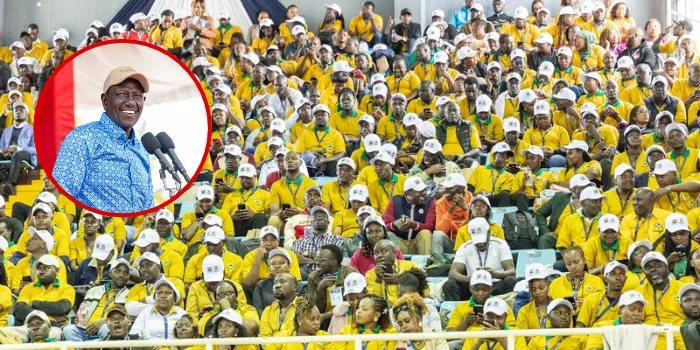
The Kenya Union of Post Primary Teachers (KUPPET) has rejected President William Ruto's Comprehensive School Model, insisting that junior secondary schools should be run as independent institutions, according to Kenyans.co.ke.
The union restated its position during its 2026 annual conference in Diani, arguing that placing Grades 7 to 9 under the leadership of primary school headteachers overlooks the fact that junior school teachers deliver a secondary-level curriculum.
Union wants principals to lead junior schools
KUPPET Secretary General Akelo Misori and Chairman Mboko Milemba said junior schools require their own administration, headed by principals who have experience in secondary education.
Milemba warned that the effects of the model would extend beyond teachers. "This model should be rethought by all means necessary," he said, adding that learners would bear most of the consequences.
The union leaders said they were not opposed to junior schools sharing compounds with primary schools as a way of cutting infrastructure costs. However, they maintained that sharing facilities should not translate into merged management or the loss of junior schools' separate institutional identity.
KUPPET is demanding that junior schools be given substantive principals and deputy principals, creating leadership structures that match the level of education being offered.
Concerns over promotions and legality
The union also raised concerns that the proposed structure could narrow promotion prospects for post-primary teachers and make it harder for them to move between junior and senior schools.
In addition, KUPPET has questioned whether comprehensive schools have a legal footing, arguing that current education laws do not recognise the model and that constitutional questions surrounding it have not been settled.
What the President has proposed
President Ruto has been championing a comprehensive system that brings pre-primary, primary and junior secondary education under a single administration.
On November 11, he directed the Ministry of Education to draft proposals within 90 days for amendments to the Basic Education Act. The changes are intended to provide a legal framework for how the institutions are governed, staffed and financed.
Under the plan, primary school headteachers would serve as the overall administrators of comprehensive schools. They would oversee the junior secondary sections with the help of deputies and other management structures.
The President also proposed combining capitation funding for primary and junior schools so that institutions can manage their resources under one framework. He further directed that school funds be released before the start of each term beginning in 2027.
Call for more teachers
Beyond the governance dispute, KUPPET pushed for the recruitment of more teachers to tackle staffing gaps in schools.
The union noted that 24,000 teachers had been given permanent and pensionable terms, with a further 20,000 expected to be hired. It wants at least 116,000 additional teachers recruited next year.
KNUT backs the model
KUPPET's stance puts it at odds with the Kenya National Union of Teachers (KNUT), which has supported the comprehensive model.
KNUT argues that a unified administration would improve coordination within schools and eliminate duplicated management structures.
The split between the two unions sets the stage for continued debate as the Ministry of Education prepares the proposed legal amendments.
This story was prepared by the Hamasta Newsdesk with AI assistance, based on reporting by Kenyans.co.ke. Read the original report. Photo: Kenyans.co.ke.



Know what people say about you.
Media monitoring, audience insights and strategic communication for your brand.


More in Education
See all.jpeg)
Kuppet rejects Ruto's comprehensive school plan, citing the Constitution

Court strikes out junior school teachers' bid to form union outside Kuppet and Knut
Labour court lifts order forcing TSC to deduct KUPPET agency fees from JSS teachers in win for KNUT

Virginia child under five dies of measles as US cases hit highest level since 1991

Kenya's EV push could create thousands of jobs, but local content is key

Global Community Remarks
0