
Kenya's EV push could create thousands of jobs, but local content is key
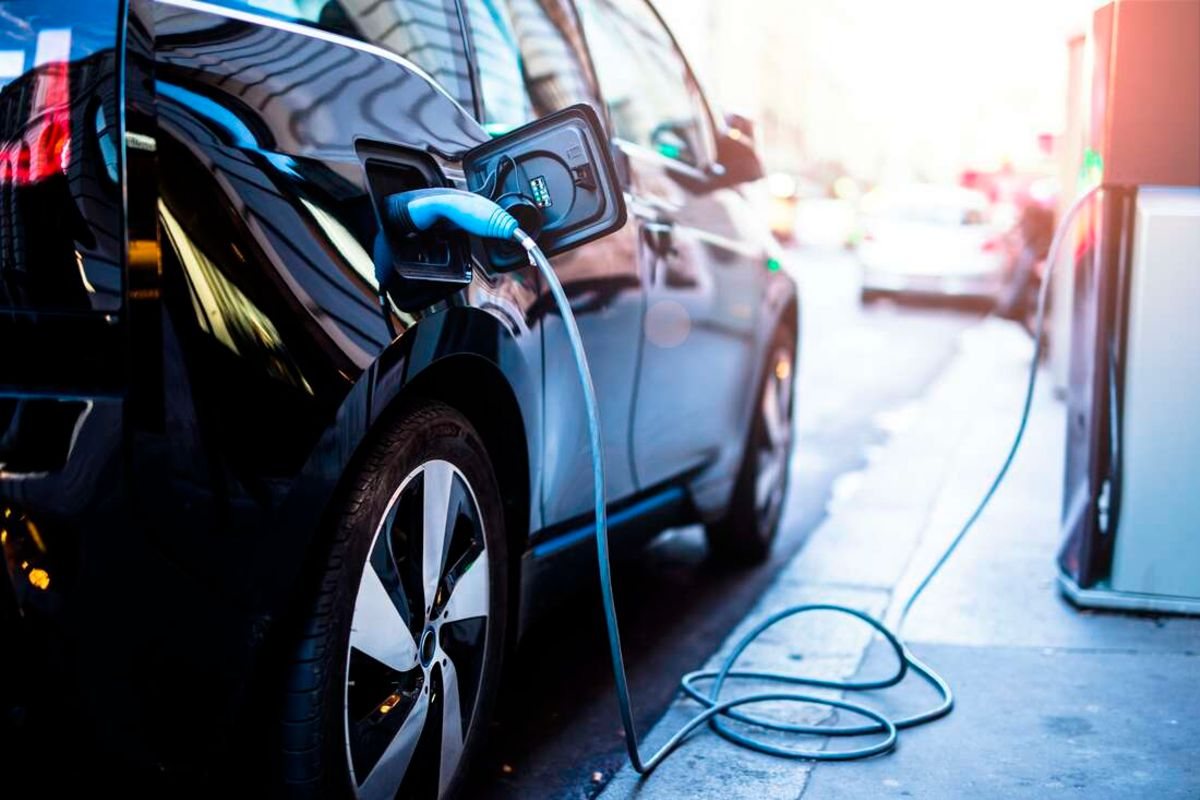
Kenya's young electric vehicle (EV) industry could become a major source of technical jobs for young people. But the country must move beyond assembling imported kits and build local supply chains, according to an analysis published by Business Daily.
The analysis argues that foreign investment, mainly from Chinese manufacturers, gives Kenya a starting point. Lasting gains, it says, will depend on developing local suppliers, transferring skills and keeping more of the value of each vehicle in the country.
Assembly is already under way
Several projects are already running. In February 2026, Nairobi-based EV mobility firm Rideence Africa announced a Sh320 million partnership with Associated Vehicle Assemblers (AVA) in Mombasa. The deal covers assembling Chinese-designed vehicles from completely knocked-down (CKD) kits. The first plan covered 132 Henrey electric taxis and 20 Joylong electric minibuses.
Business Daily reported in May that BasiGo had begun assembling 23 electric vans at AVA. The company is targeting at least 120 units by the end of 2026, and the line directly employs about 70 factory workers. AVA has also announced plans to invest Sh1 billion in a dedicated EV assembly line, which is expected to be staffed by 60 trained technicians.
The analysis cautions that assembling a vehicle locally is not the same as manufacturing it. A Kenyan-assembled vehicle may still rely on imported batteries, motors and electronics.
Proposed $3 billion Geely project
The largest proposal so far came on October 6, 2026. On that day, President William Ruto witnessed the signing of a memorandum of understanding between the government and Endelevu Enterprise Corporation for a proposed US$3 billion electric mobility investment with Chinese carmaker Geely.
The proposed project includes capacity to assemble the following each year:
- 50,000 four-wheel vehicles
- 100,000 two-wheelers and other light-mobility vehicles
- 1,000 solar-powered charging hubs, alongside the vehicle assembly
Government projections cited in the analysis put job creation at about 2,000 direct jobs and more than 20,000 indirect ones.
Local suppliers show what is possible
The analysis points to Roam, an African electric mobility firm. Roam reported that 40 per cent of the value of its Roam Air electric motorcycle was produced in East Africa, using more than 50 components from over 10 Kenyan and Tanzanian companies.
Local sourcing cut lead times for body parts from 18 weeks to two weeks. It also reduced the cost of a replacement body-parts kit by almost 40 per cent. Roam is aiming for 50 per cent local content by 2027.
Other areas named as potential sources of jobs include:
- component making, such as frames, wiring harnesses, seats and battery enclosures
- engineering roles
- software and fleet telematics
- battery maintenance and recycling
Charging network and jobs
Kenya's 2023 EV guidelines call for charging stations every 25km on both sides of highways. They also require fast chargers for long-range and heavy-duty vehicles every 100km.
By the analysis's estimate, this would mean roughly 1,050 stations across the 13,089km paved road network, including about 40 on the Nairobi–Mombasa highway. These stations could support between 750 and 2,840 long-term jobs, depending on whether they are self-service or staffed for 12 hours a day.
Linking training to industry
World Bank and ILO estimates put unemployment among Kenyans aged 15 to 24 at about 15.2 per cent in 2025. The Technical and Vocational Education and Training (TVET) Principal Secretary reported enrolment of 1,201,320 learners by May 2026.
The analysis says matching this training capacity to the specific needs of the EV industry will be essential. It points to China's Field Engineer Special Cultivation Plan, launched in 2022, as an example Kenya could study.
It adds that the National Electric Mobility Policy and the proposed National Automotive Industry Development Bill give Kenya a way to link foreign capital with domestic industrial growth. That growth could also allow Kenya to serve as a manufacturing and distribution hub for East Africa.
This story was prepared by the Hamasta Newsdesk with AI assistance, based on reporting by Business Daily. Read the original report. Photo: Business Daily.




Show the impact of your work.
Impact stories, campaign videos and community engagement for NGOs and programmes.

More in Business
See all
Motorists could face a new road charge as electric vehicles eat into the fuel levy, State Department for Roads says
.jpeg)
MPs strip Sh100m fine and CEO jail term from Local Content Bill

Quollective Africa creates 146 jobs in Kenya and Uganda, scoops 12 regional awards
Transport Ministry Studies Plan to Convert Petrol and Diesel Cars into EVs
Experts push fuel-efficiency rules for imported cars as Kenya's fuel bill heads for $1.3 billion by 2040

Global Community Remarks
0