
Cameroon's ex-separatist fighters torn between hiding and a failing reintegration plan
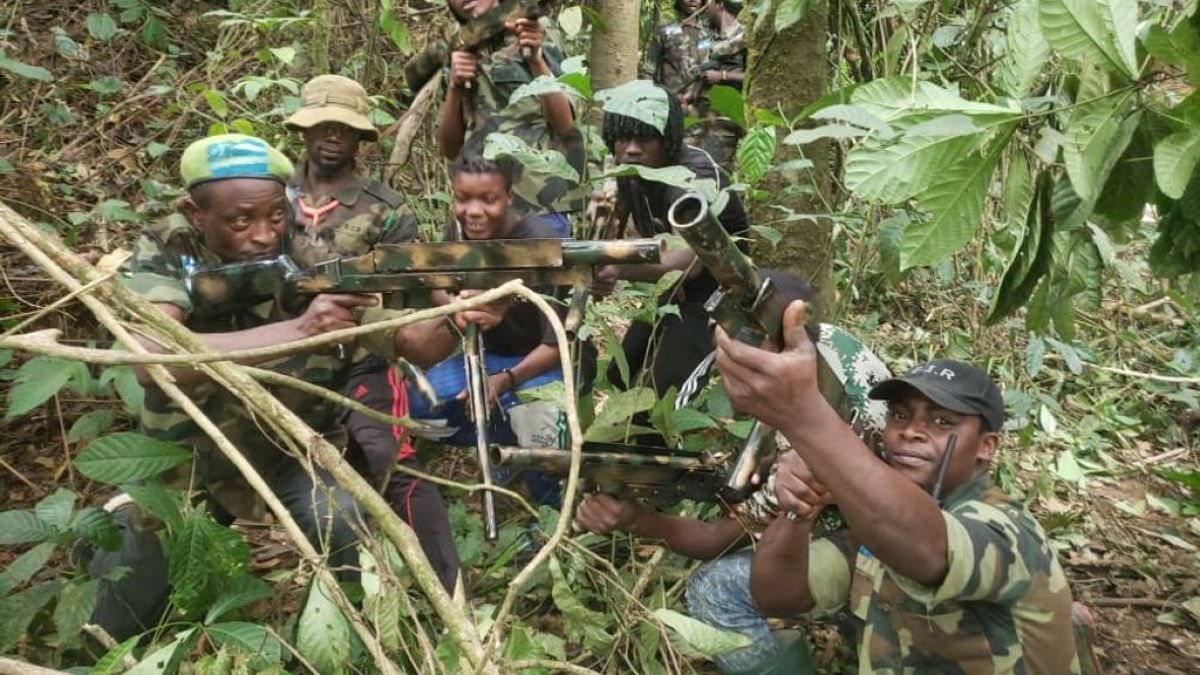
Former separatist fighters in Cameroon's English-speaking regions are avoiding the government's disarmament programme over fears of arrest and mistreatment. Some who did join say they received little meaningful help, according to an Al Jazeera report.
The accounts come as the conflict in the Northwest and Southwest regions reaches about a decade. The government is now pressing local leaders to persuade fighters to surrender.
A fighter turned healer
Collins Mbah, in his mid-30s, fought as a separatist in the Northwest between 2016 and 2020 under the name Commander No Sorrow. He told Al Jazeera he killed several soldiers during that time. He now works as a traditional healer in the coastal city of Douala.
Mbah said he quit after seeing fellow fighters turn on the communities they claimed to defend. He has refused to enter the disarmament, demobilisation and reintegration (DDR) programme, saying doing so would amount to betraying the people.
He says he is still on the government's wanted list. Without a national identity card, the father of three moves between neighbourhoods to avoid capture.
Fear of prison and silent killings
Other former fighters described similar choices. Peter Mosongo, 28, joined in 2018 to protect his family and left in 2019 after seeing civilians killed indiscriminately. He now rides a motorcycle taxi in Buea.
Mosongo said fighters threatened him when he quit and kidnapped his father to force him out of hiding. He stayed away from DDR for fear of jail, and because of rumours that people who surrendered were being quietly killed.
Richard Bende, who fought government troops in Bamusso, also left in 2019. He said the rebellion had become a vehicle for settling scores. He now teaches history and geography at a secondary school and also avoided DDR, citing concerns about how former fighters are treated.
Little to show from the programme
Paul Mukete, 29, fought in Kumba from 2017 to 2020 as the King of Vultures and entered the DDR centre in Tiko. Six years on, he says he learnt poultry and pig farming but received no psychological care.
Mukete said residents passed intelligence to the military, which used it against fighters who refused to disarm. He said about 600 people were once at the centre, but many have left in frustration. Some rejoined the fighting and were killed. He now does odd jobs to support his three children.
Fonbeh Hedwick Chia, a mental health specialist who founded Living Vine Mental Health Services in Bamenda, estimates that about 800 fighters have renounced the struggle. He told Al Jazeera the centres lack therapeutic support. He accused the government of caring more about publicity than the welfare of those who surrender, and warned that neglected ex-fighters could fuel further instability.
Government push for surrenders
Prime Minister Joseph Dion Ngute launched a community dialogue initiative in Buea in September and in Bamenda on 15 October. At the two events, 55 fighters were presented as having laid down arms: 25 in the Southwest and 30 in the Northwest. The government has distanced itself from peace efforts backed by Switzerland and Canada.
The crisis began in late 2016, when Anglophone lawyers and teachers protested against the posting of French-speaking magistrates and teachers to the English-speaking regions. A crackdown followed, and a separatist movement emerged seeking independence for a state its supporters call Ambazonia. The Centre for Human Rights and Democracy in Africa says the death toll could be as high as 10,000. Hundreds of thousands of people have been displaced.
The rebellion has no single command. Dozens of factions operate, some funded by diaspora groups, and some have turned to kidnapping for ransom. Both sides have been accused of abuses.
Chris Roberts, a political scientist at Canada's University of Calgary, links the conflict to decades of poor governance under a president in power since 1982. He described the October 2025 election as strategically rigged.
"There will not be a military solution to this war," Roberts said.
This story was prepared by the Hamasta Newsdesk with AI assistance, based on reporting by Al Jazeera. Read the original report. Photo: Al Jazeera.




Know what people say about you.
Media monitoring, audience insights and strategic communication for your brand.


More in International
See all
Cameroon U17s confident ahead of World Cup opener against Venezuela
Indian national jailed for over 19 years in US plot to kill Sikh separatist leader
Cameroon opposition cries foul as government suspends exiled Issa Tchiroma's party for three months
Houthi push towards Aden could revive Yemen's weakened southern separatists
Morocco, Senegal, Cameroon among six nations through to AFCON Pamoja 2027
Global Community Remarks
0