
Kenya seeks stronger partnerships to turn waste into jobs ahead of circular economy plan
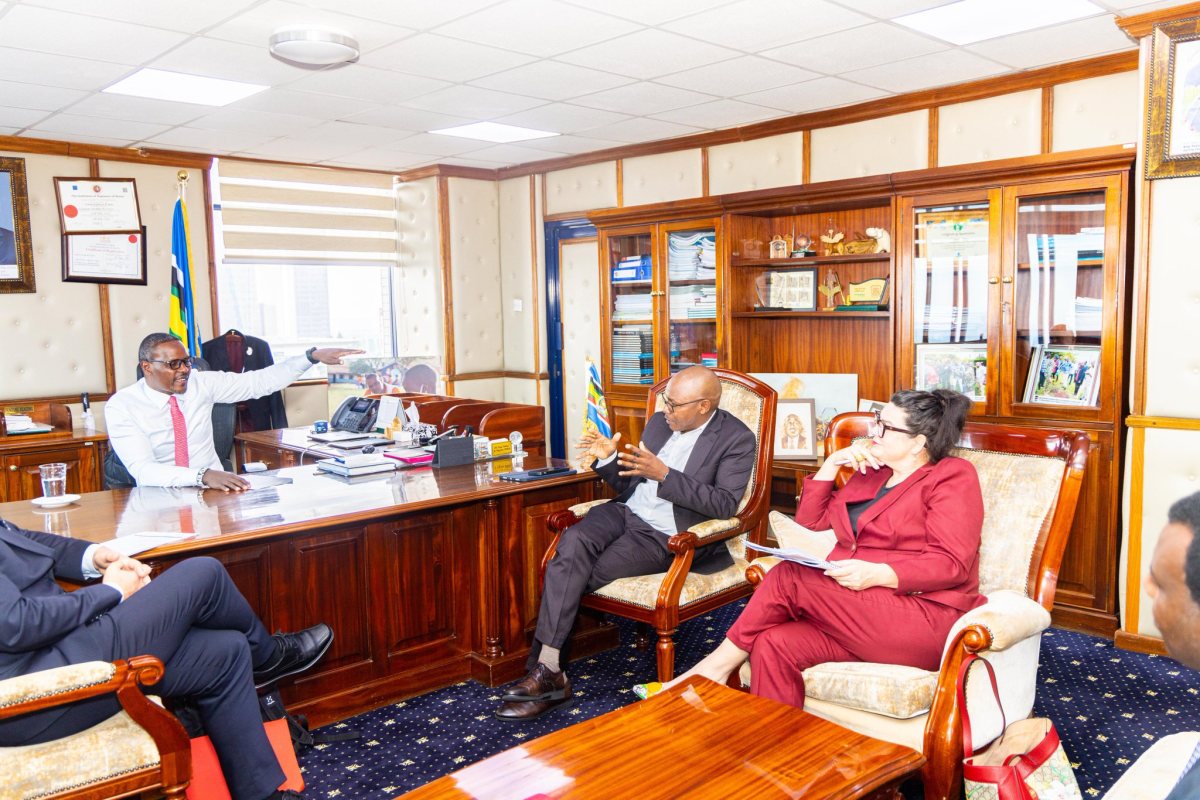
The government is seeking closer collaboration with development partners and private businesses to turn waste into a source of income and green jobs, as Kenya prepares to unveil a new national plan on the circular economy.
Environment Principal Secretary Festus Ng'eno made the call during a meeting with representatives of the conservation organisation WWF and the Royal Danish Embassy, according to KBC.
He said governments, development partners and private sector players needed to work together more closely to improve how the country manages its waste.
Focus on recovery facilities and buy-back centres
According to KBC, the talks centred on strengthening Material Recovery Facilities (MRFs) and buy-back centres, which form part of the chain through which discarded materials are collected, sorted and returned to productive use.
Participants also discussed how to unlock economic opportunities through circularity, an approach that aims to keep resources in use for longer rather than discarding them after a single use.
Ng'eno said the meeting had stressed the value of "building partnerships that turn waste into value, create green jobs and support a more sustainable economy."
Strategy launch set for Tuesday
The Monday morning meeting also reviewed preparations for the launch of the National Circular Economy Strategy and Implementation Plan (CESIP) 2027–2032, scheduled for 24 November 2026, KBC reported.
The strategy is expected to set out Kenya's path towards sustainable production and consumption, more efficient use of resources, reduced waste and green economic growth.
It will target five priority sectors, according to KBC, although the report did not name them.
Shared commitment
The government and its partners reaffirmed their joint commitment to advancing the circular economy agenda through strategic partnerships, practical implementation and sustainable solutions intended to benefit both people and the environment.
The push comes as Kenya continues to grapple with waste management challenges in its towns and cities. The country has in recent years moved to tighten its rules on waste, including through the Sustainable Waste Management Act of 2022, which promotes recycling and resource recovery.
The involvement of WWF and the Danish Embassy points to continued international support for Kenya's environmental programmes, with the new strategy expected to provide a framework for how partners and the private sector can take part in the sector over the five-year period.
Details of funding arrangements, specific targets and the roles each partner will play were not disclosed in the KBC report. More information is expected when the strategy is formally launched.
This story was prepared by the Hamasta Newsdesk with AI assistance, based on reporting by KBC. Read the original report. Photo: KBC.

Tell your story on screen.
Commercials, documentaries, interviews and social video, from script to final cut.





More in Environment
See all
Counties told to sort waste at source and plan housing with drainage as Kisii hosts World Cities Day

Court rejects TSC bid to enforce teachers' social media rules, says circular is too vague
Nairobi County takes NEMA to court in battle over who controls city garbage
KTDA board ousts Enos Njeru after eight months as Murang'a director James Mwangi is elected chairman

Senegal reinstated as 2025 AFCON champions after landmark CAS ruling
Global Community Remarks
0