
Oxfam report finds contamination risks across more than 99% of Gaza after war
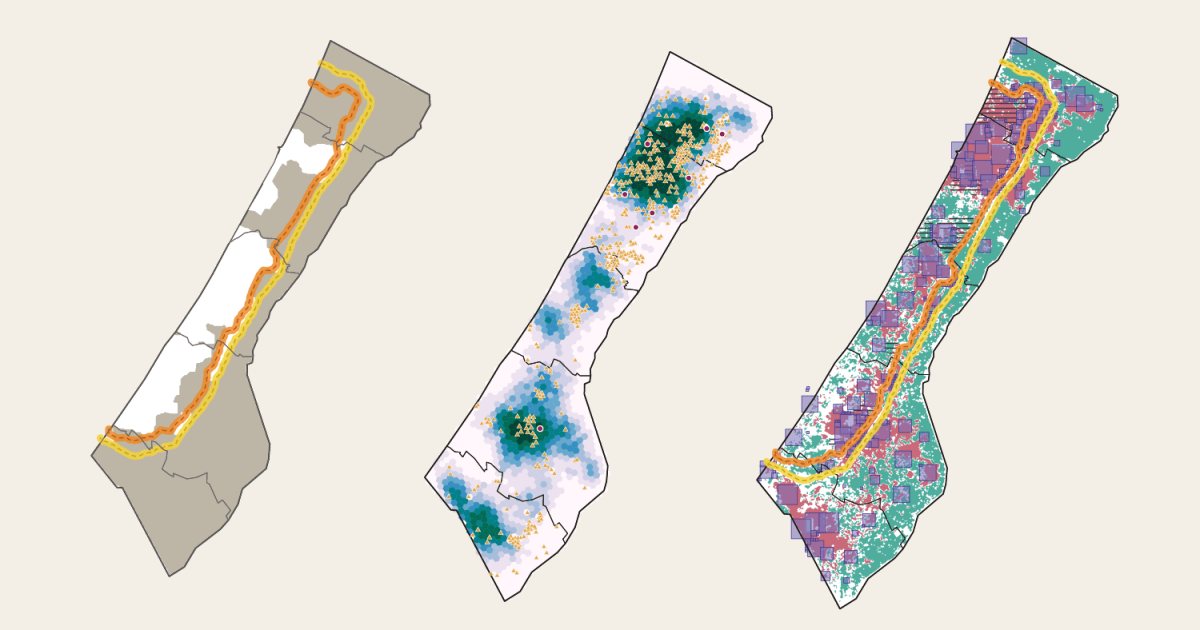
Israel's military campaign in Gaza has left potential sources of environmental contamination across more than 99 percent of the territory, according to a new report by the UK-based charity Oxfam and the Conflict and Environment Observatory (CEOBS), as reported by Al Jazeera.
The report says explosives, incendiary weapons, fires, rubble and untreated sewage have polluted the air, soil, water and food relied on by Gaza's 2.3 million people. It calls for a full independent investigation to identify the risks and reduce harm to Palestinians.
Oxfam's international executive director, Amitabh Behar, described the damage as
"environmental war crimes threatening life now and for generations to come"
He said in a statement that the contamination would breach Israel's obligations under international humanitarian and human rights law, and that residents were being exposed to toxins through air, food, water and direct contact with debris.
Rubble on an unprecedented scale
The study draws on satellite imagery, remote sensing, scientific analysis and open-source data. Oxfam estimates that by October 11, 2025, Israeli ground operations had directly affected about 283 square kilometres of Gaza's 365 square kilometres, or 78 percent of the territory.
Citing the UN Environment Programme, the report puts the debris generated since October 7, 2023 at 61 million tonnes, roughly 29 tonnes for every person now living in Gaza. Clearing it would take an estimated 2.1 million dump-truck loads, about eight times the rubble recorded in Iraq's Mosul after the 2017 conflict.
The highest concentrations of potential hazards were found in Gaza City, Khan Younis, Rafah, Jabalia and along the Salah al-Din Street corridor. Unexploded munitions, damaged vehicles, batteries and fuel stores add further risks to soil and groundwater.
Water and sanitation collapse
According to Palestinian Water Authority figures cited in the report, daily water supply dropped by about 84 percent between October 2023 and June 2024. Emergency repairs had restored some capacity by April 2026, but supply remained 61 percent below pre-war levels.
Tests by Gaza's Ministry of Health in July 2026 found faecal coliforms in 15 of 79 groundwater wells, compared with 2 percent of wells in a 2021 assessment. All six wastewater treatment plants had been destroyed by April 2024, and an estimated 40,000 cubic metres of raw sewage flows into the Mediterranean every day.
Food, health and economy
The report says more than 87 percent of cropland had been damaged by late 2025, around 95 percent of cattle lost and more than 7,200 greenhouses damaged. In July 2026, an estimated 1.2 million people faced crisis levels of food insecurity or worse.
Health data cited by Oxfam show more than 1.9 million cases of acute respiratory infection and about 81,000 cases of acute watery diarrhoea in January and February 2026 alone. In 2024, Gaza recorded its first case of paralytic polio in 25 years.
Gaza's economy shrank by 83 percent in 2024, the report says. A joint World Bank, European Union and UN assessment put reconstruction and recovery needs at $71.4 billion over a decade.
Legal implications
Oxfam argues the destruction of water, food and sanitation systems may be relevant to alleged crimes under the Rome Statute and to whether Israel violated the Genocide Convention. A UN commission of inquiry concluded in September 2025 that Israel had committed genocide, and the International Court of Justice is hearing a genocide case against Israel.
The war has killed more than 74,000 Palestinians, according to Al Jazeera, including more than 1,500 since a ceasefire was signed in October 2025.
Oxfam has proposed a five-stage plan covering safe access, contamination testing, site screening and repairs, hazardous waste treatment, and rebuilding with long-term monitoring. It also calls for full reparations where violations are established.
This story was prepared by the Hamasta Newsdesk with AI assistance, based on reporting by Al Jazeera. Read the original report. Photo: Al Jazeera.

Tell your story on screen.
Commercials, documentaries, interviews and social video, from script to final cut.





More in International
See all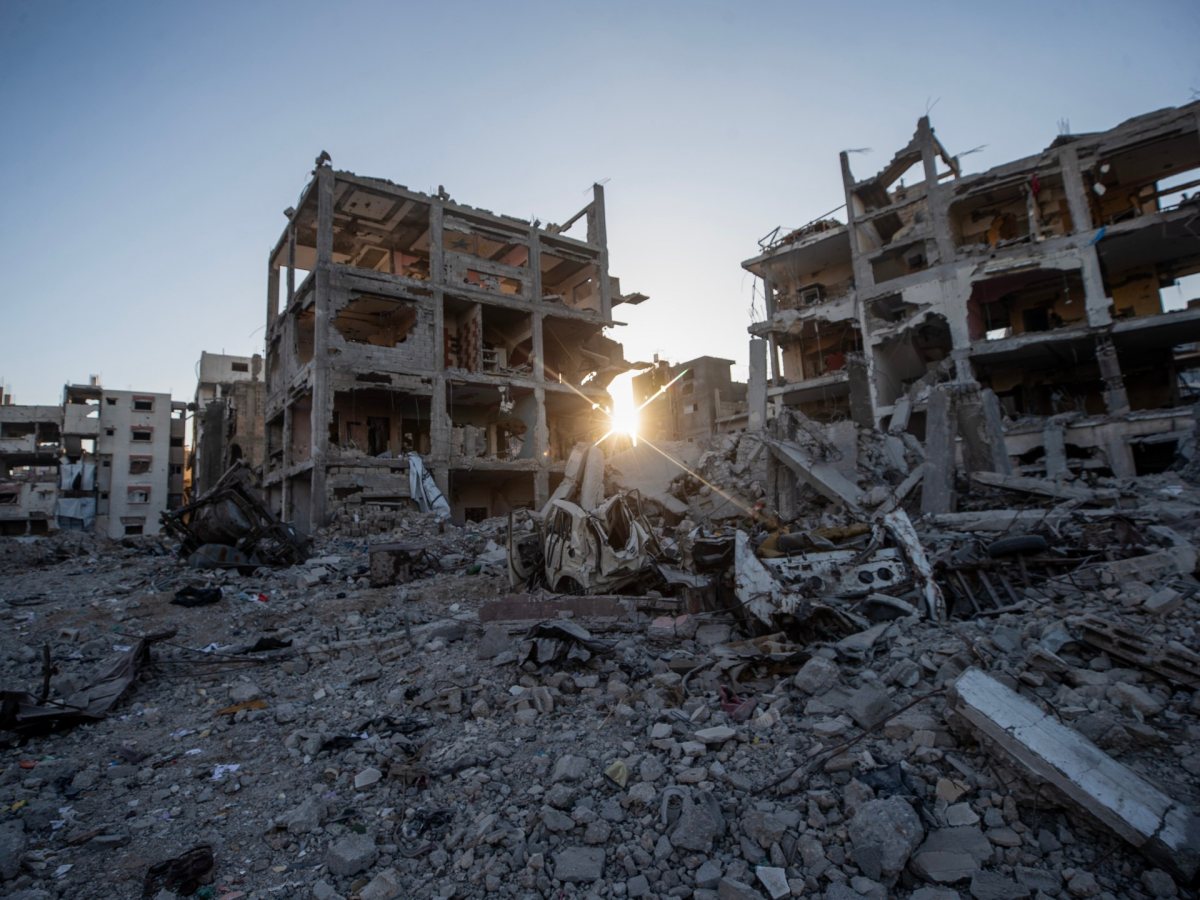
Israeli-backed Palestinian militias accused of role in central Gaza operation
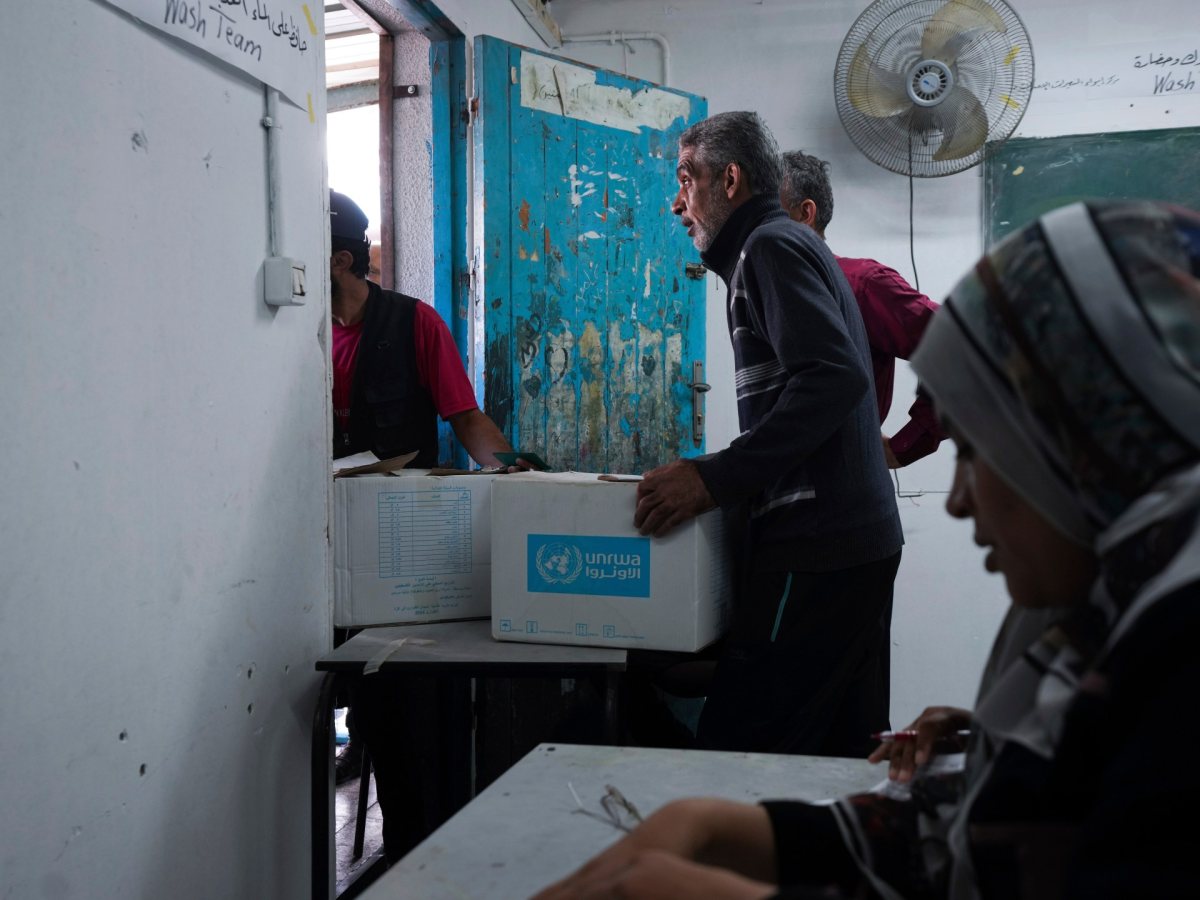
UNRWA worker among at least three killed in Israeli air strikes on Gaza
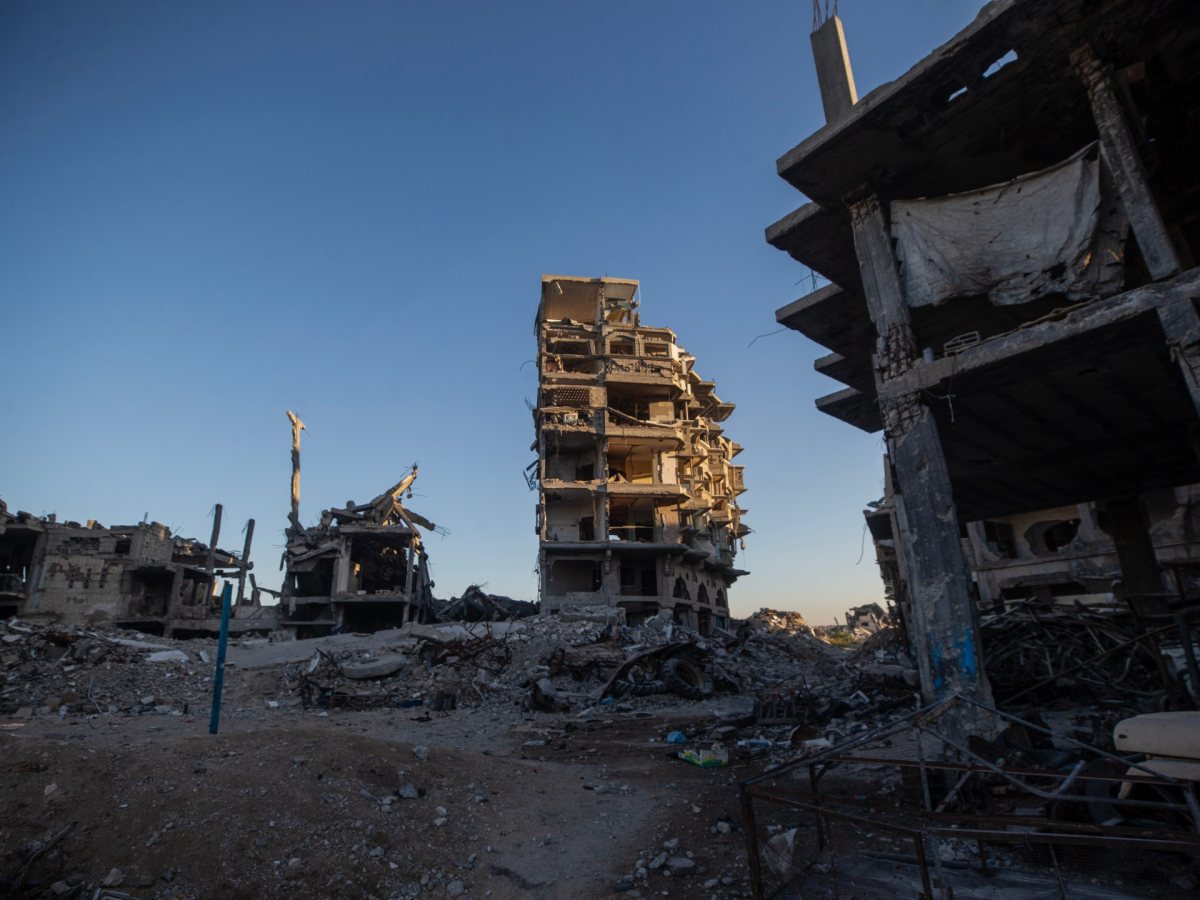
Displaced Gazans protest as Israeli strikes and demolitions continue near 'Yellow Line'
Gazans flee as Israeli troops push beyond Yellow Line in central Gaza
Board of Peace warns UN that Gaza ceasefire could collapse without urgent action
Global Community Remarks
0