
Israeli-backed Palestinian militias accused of role in central Gaza operation
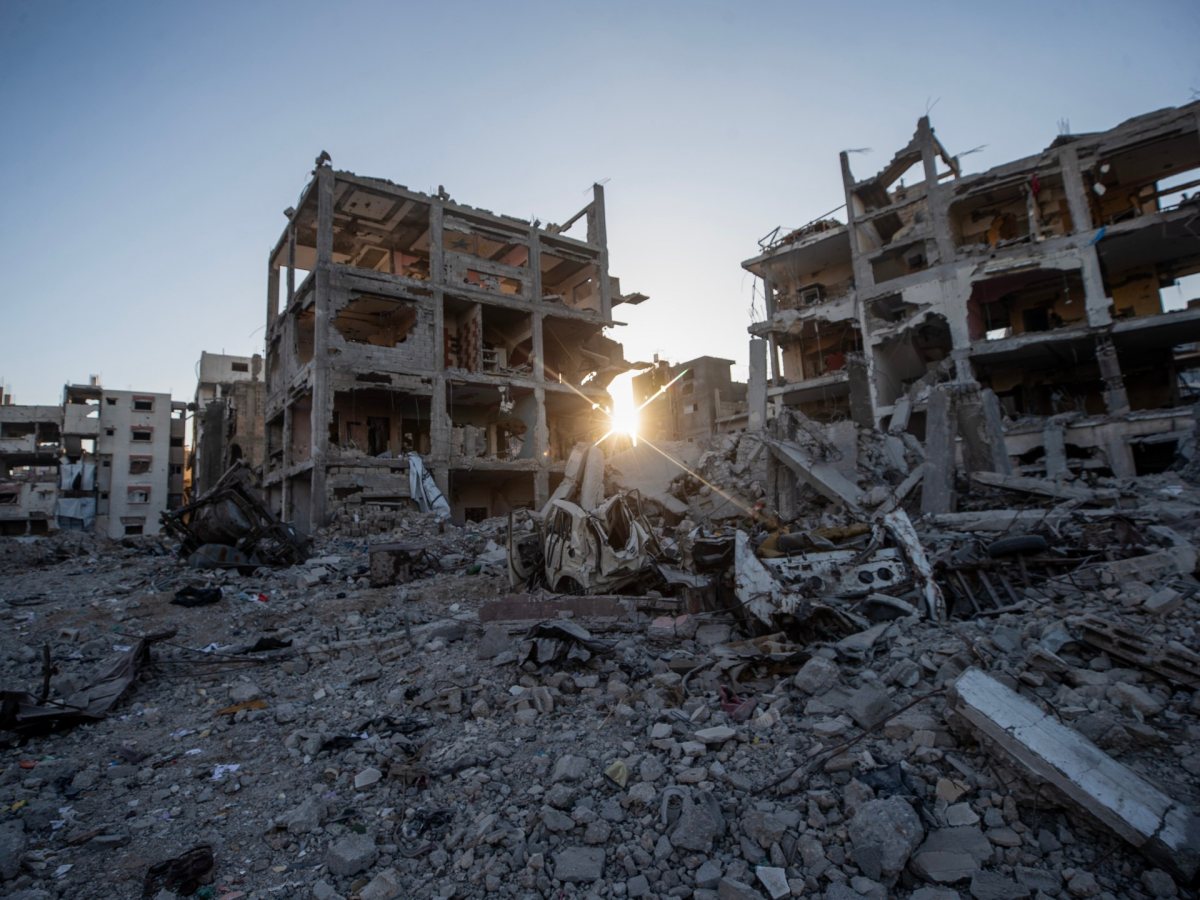
Armed Palestinian groups backed by Israel took part in an Israeli ground operation in central Gaza this week, a Palestinian security source has told Al Jazeera. Analysts warn the militias are steadily expanding their reach and could shape the enclave's security long after any Israeli withdrawal.
The source, who spoke on condition of anonymity, said Gaza's security authorities had documented the groups' involvement. Their activities reportedly included frightening civilians and pushing families to leave homes and shelters.
Night raid before the incursion
According to Al Jazeera, late on Tuesday a group of armed men stopped outside a house on ad-Dawa Street, on the northern fringe of the Nuseirat refugee camp, where displaced women were sheltering. Locals said the men wore civilian clothes, carried light weapons and had no insignia, and were believed to belong to Israeli-backed militias.
The gunmen surrounded the house, ordered the women outside and questioned them by torchlight about a man they were seeking. They threatened those who would not answer and fired into the air before leaving a few minutes later without arresting anyone.
Hours later, on Wednesday, the Israeli military began a ground operation near the Nuseirat and Bureij camps, west of the so-called "Yellow Line" marking areas under Israeli control since the October 2025 ceasefire. The army shut Salah al-Din Street, Gaza's main north-south road.
Gaza's Government Media Office said about 6,000 Palestinians fled. Israel said the operation targeted a tunnel threatening its troops and announced on Thursday that it had ended. At least one Palestinian was killed in Israeli attacks near the area of the incursion.
The security source said the militias operated under Israeli fire cover and benefited from the road closure, which also disrupted humanitarian work. The source called them "gangs" funded and armed by Israel to create disorder among Palestinians.
Expanding footprint
Israel has openly admitted backing armed groups opposed to Hamas during its war on Gaza, in which more than 74,000 people have been killed. Prime Minister Benjamin Netanyahu defended the policy last year, saying it had saved Israeli soldiers' lives.
Political analyst Iyad al-Qarra told Al Jazeera that Israel had extended the groups' operations from Rafah and Khan Younis in the south to central Gaza and Gaza City. He accused them of kidnappings and attempted assassinations, including against members of Palestinian factions, carried out with Israeli aerial protection.
Al-Qarra said demolitions and forced displacement had opened space for the groups in areas Israeli troops would struggle to enter, and that the army sends the fighters to the front line ahead of its own forces. He added that they gather intelligence through family and social networks while also receiving information from the military.
The groups emerged during the war, with some accused of looting aid before taking on wider roles. Published estimates suggest about five main groups with several hundred members in total. In April, the conflict monitor ACLED reported that Israel had stepped up its support, including deploying attack drones during their clashes with Hamas.
They include:
- The Popular Forces in Rafah, led by Ghassan al-Duhaini since founder Yasser Abu Shabab was killed in December 2025
- Hussam al-Astal's group east of Khan Younis
- Shawqi Abu Nuseira's group in central Gaza
- Groups led by Rami Helles in eastern Gaza City and Ashraf al-Mansi in northern Gaza
Concerns over Gaza's future
Analyst Wesam Afifa told Al Jazeera that Israel wants local security influence it can keep even after a partial pullback, comparing it to Israel's backing of the South Lebanon Army before leaving Lebanon in 2000.
What sets Gaza apart, he said, is that the groups have moved from support roles to armed operations beyond areas under direct Israeli control. He cited their searching and obstruction of travellers returning through the Rafah crossing, which he said breached existing agreements and the European Union monitoring mission's role.
In February, the UN Human Rights Office recorded accounts from returnees alleging intimidation, searches and theft by armed Palestinians reportedly backed by Israel.
Afifa warned that Israel could push for the groups to be included in Gaza's future security arrangements.
This story was prepared by the Hamasta Newsdesk with AI assistance, based on reporting by Al Jazeera. Read the original report. Photo: Al Jazeera.


Take your event live to thousands.
Multi-camera live streams, panel discussions and digital broadcasts with professional crews.




More in International
See all.jpeg)
Russian drone and missile barrage kills at least eight in Ukraine, hits Kyiv bridges

Belgrade mayor Aleksandar Sapic charged with assaulting opposition councillor
Taliban accuse Pakistan of backing armed groups opposed to their rule
Trump threatens to ban US firms from building AI data centres abroad
Ukraine knocks out Kerch Bridge road span as Medvedev says 'no one needs Europe'
Global Community Remarks
0