
US widens Iran sanctions, targeting exchange houses in 'shadow banking' crackdown
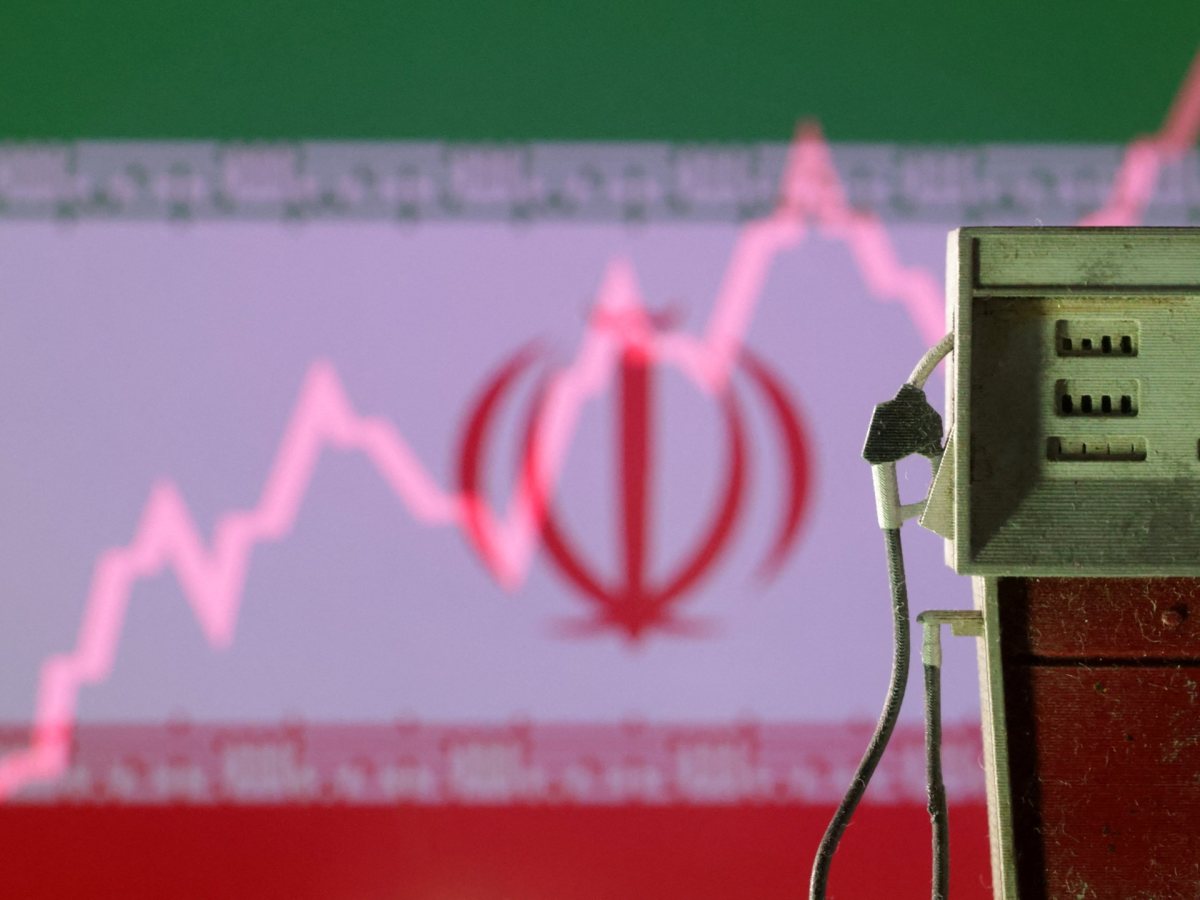
The United States has imposed a fresh round of sanctions on Iran, targeting more than two dozen exchange houses, front companies and individuals that Washington accuses of running a hidden financial system for Tehran, according to Al Jazeera.
The US Department of the Treasury announced the measures on Monday under its campaign known as Operation Economic Outcast. The step follows warnings from US President Donald Trump that he could order renewed military action against Iran next year.
The sanctions come as diplomatic efforts continue to end the war between Iran and the US and Israel, a conflict now in its ninth month.
Targeting Iran's financial lifeline
The Treasury said the action was aimed at disrupting what it described as Iran's global shadow banking networks. According to the department, the targeted entities help Iran channel billions of dollars through the international financial system, giving the government access to foreign currency in spite of wide-ranging sanctions.
US Treasury Secretary Scott Bessent cast the network as Tehran's final financial support. "Iran's shadow banking system is the last financial lifeline of a bankrupt regime," he said, adding that the department would keep dismantling such networks.
The Treasury statement said the designated entities are overseen by the Central Bank of Iran.
Companies named
Among those sanctioned is an Iran-based firm, Rahbar Bazargani Nesim Baharan Qeshm Company, also referred to as Nesim Baharan. The Treasury alleges the company worked closely with Iranian exchange houses and their front companies to process transactions for clients of Sarmayeh Bank, whose customers include major Iranian petrochemical firms.
Also designated were Mina Fashki and Partners Exchange Company, known as Fashki Exchange, and Mellat Exchange Company, together with several of their owners and employees.
Earlier this month, Washington claimed its sanctions campaign had driven the Iranian rial to record lows and pushed inflation to roughly 90 percent.
Diplomacy and threats of strikes
The new measures land at a delicate moment. Iran's Foreign Minister Abbas Araghchi said Tehran still hoped diplomacy could bring the war to an end, the Associated Press reported.
Trump, however, said Iran wanted a deal but not one he considered acceptable. In remarks reported by Fox News, the president told the broadcaster's chief foreign correspondent he was inclined to order military strikes on Iran after the new year if the two sides failed to reach an agreement.
Regional and global fallout
The conflict has destabilised the Middle East, drawing in countries across the region. It has also disrupted shipping and pushed up global energy prices, effects felt well beyond the Gulf.
For energy-importing economies, including many in Africa, higher oil prices typically translate into increased fuel and transport costs, making the outcome of the talks a matter of wider economic concern.
Neither the Treasury nor Iranian officials gave a timeline for further measures or negotiations in the reports cited.
This story was prepared by the Hamasta Newsdesk with AI assistance, based on reporting by Al Jazeera. Read the original report. Photo: Al Jazeera.

Tell your story on screen.
Commercials, documentaries, interviews and social video, from script to final cut.





More in International
See all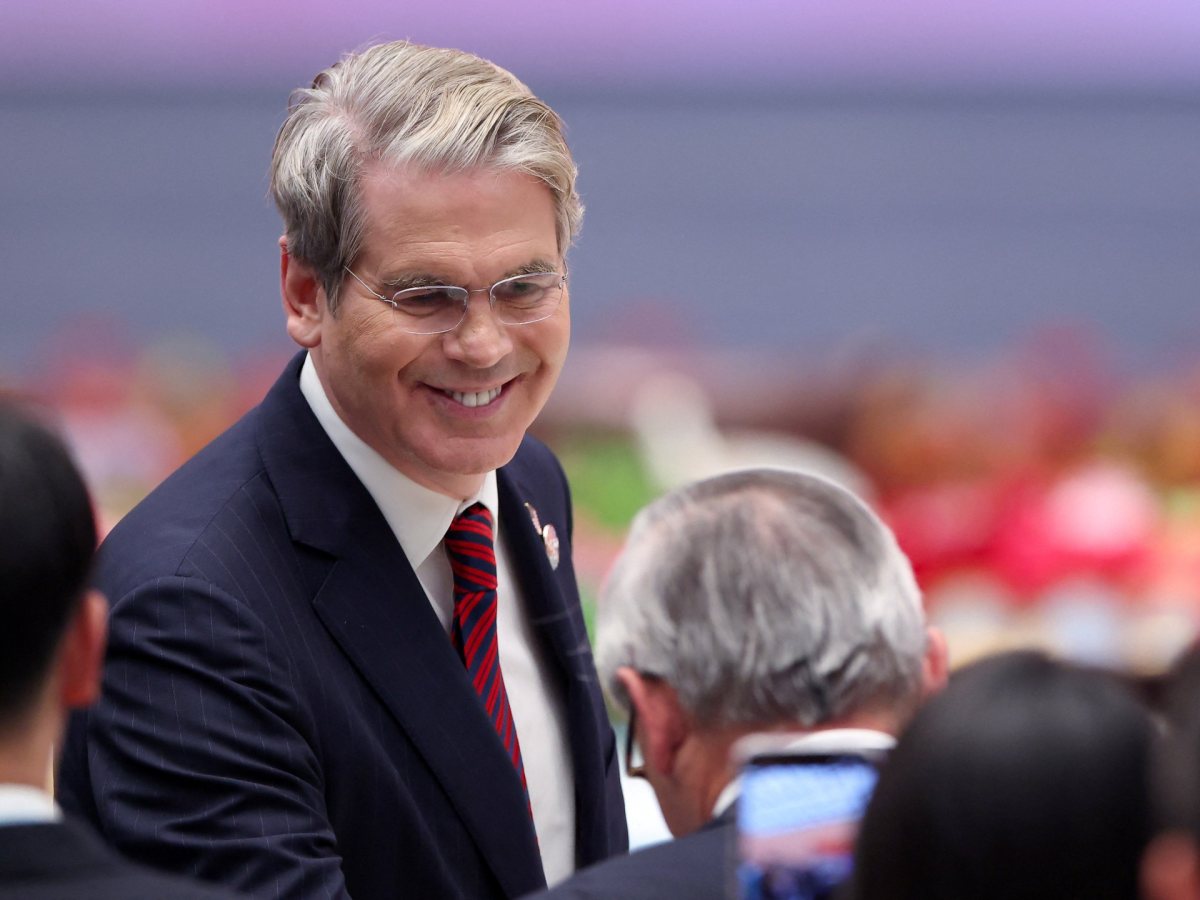
US sanctions Lebanese charity it accuses of being a Hezbollah front
US sanctions Rwanda's defence ministry and military-linked Zigama bank over M23 support in eastern DR Congo
Iran's economy reels under US blockade as Tehran insists it can hold out
Iran rejects CNN report of alleged 'dirty bomb' plot targeting Washington

EU sanctions Wildberries owner Tatyana Kim, Russia's richest woman
Global Community Remarks
0