
EU sanctions Wildberries owner Tatyana Kim, Russia's richest woman
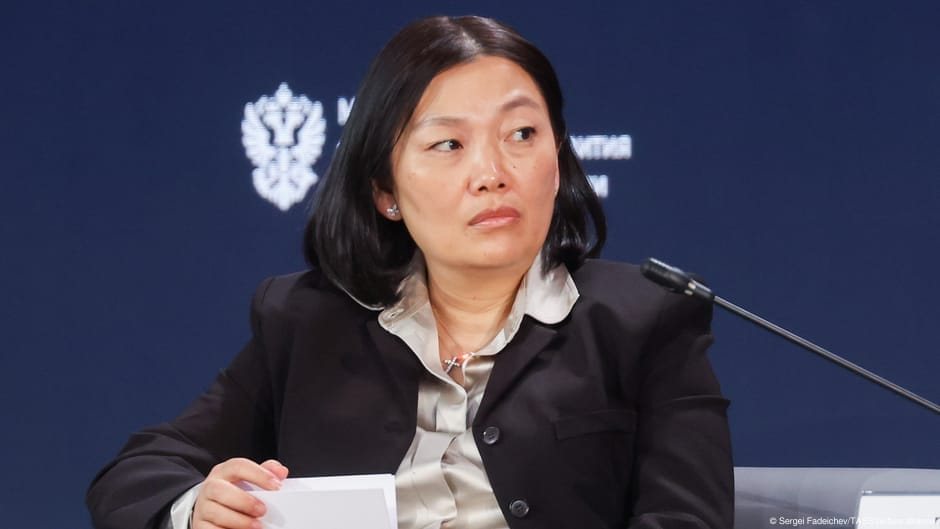
The European Union has placed Tatyana Kim, the owner and chief executive of Russian online retail giant Wildberries and the country's wealthiest woman, on its Russia sanctions list, according to DW News.
The listing, announced on Monday, means any assets Kim holds in the EU will be frozen. She is also prohibited from travelling to the 27-nation bloc or carrying out financial transactions there.
Kim, who was born in Grozny, Chechnya, to ethnic Korean parents, is estimated to be worth about $8.1 billion (€7.4 billion).
Why Brussels targeted Kim
EU authorities justified the move by pointing to Wildberries' size and its alleged role in Russia's war against Ukraine. Brussels described the company as one of Russia's largest taxpayers and said it functions as a supply network for the Russian armed forces by enabling the sale of military and dual-use goods.
In its statement, the EU said Kim was supporting, materially or financially, and benefiting from Russia's military and industrial complex.
Wildberries is Russia's biggest online retailer. Its listings, DW News reports, include items such as night-vision goggles, ammunition pouches and helmets, sold alongside everyday products like clothing, cosmetics and electronics.
Ukrainian strikes on warehouses
The company had already drawn attention from Kyiv. This summer, Ukraine widened its list of military targets to include Wildberries warehouses inside Russia, arguing that the retailer's product range was helping to sustain what it calls Russia's illegal war.
At the time, Kim rejected the accusations, insisting her company's offerings were no different from those of other major online marketplaces such as Amazon in the United States and Alibaba in China. The Kremlin also denied that Wildberries or its warehouses played any part in the war effort.
Responding to the EU decision, Wildberries said in a statement that the sanctions would not affect its operations, because it holds no assets in the bloc and does no business there.
Part of a wider package
Kim's listing formed part of a broader round of measures. According to DW News, the latest sanctions target around 50 banks and enablers of oil exports, as well as nearly 100 business figures, propagandists and a major pro-Russian hacking group.
Also named were companies in China, Oman, the Seychelles and the United Arab Emirates linked to the trade in oil carried by Russia's so-called shadow fleet of tankers. The EU says revenue from those oil sales helps finance Moscow's invasion.
Alongside sanctions, the bloc has sought to weaken Russia's war effort by providing direct financial and military assistance to Ukraine.
Since Russia launched its full-scale invasion on February 24, 2022, Brussels has rolled out more than 20 sanctions packages, hitting thousands of individuals and companies. The stated aim is to increase pressure on President Vladimir Putin to negotiate an end to the war.
The EU plans to unveil a further far-reaching package of sanctions before the end of the year, DW News reports.
This story was prepared by the Hamasta Newsdesk with AI assistance, based on reporting by DW News. Read the original report. Photo: DW News.



Know what people say about you.
Media monitoring, audience insights and strategic communication for your brand.


More in International
See all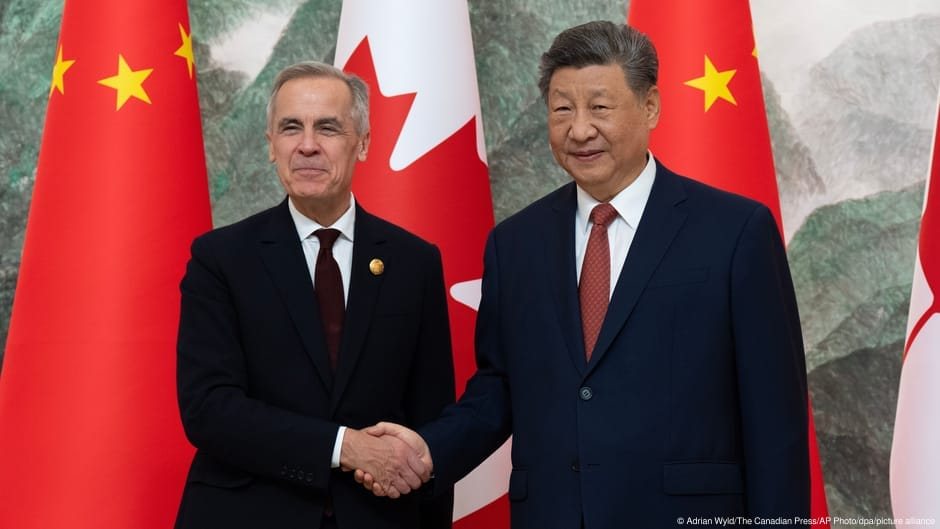
Canada and China agree new tariff cuts as both look to reduce reliance on US
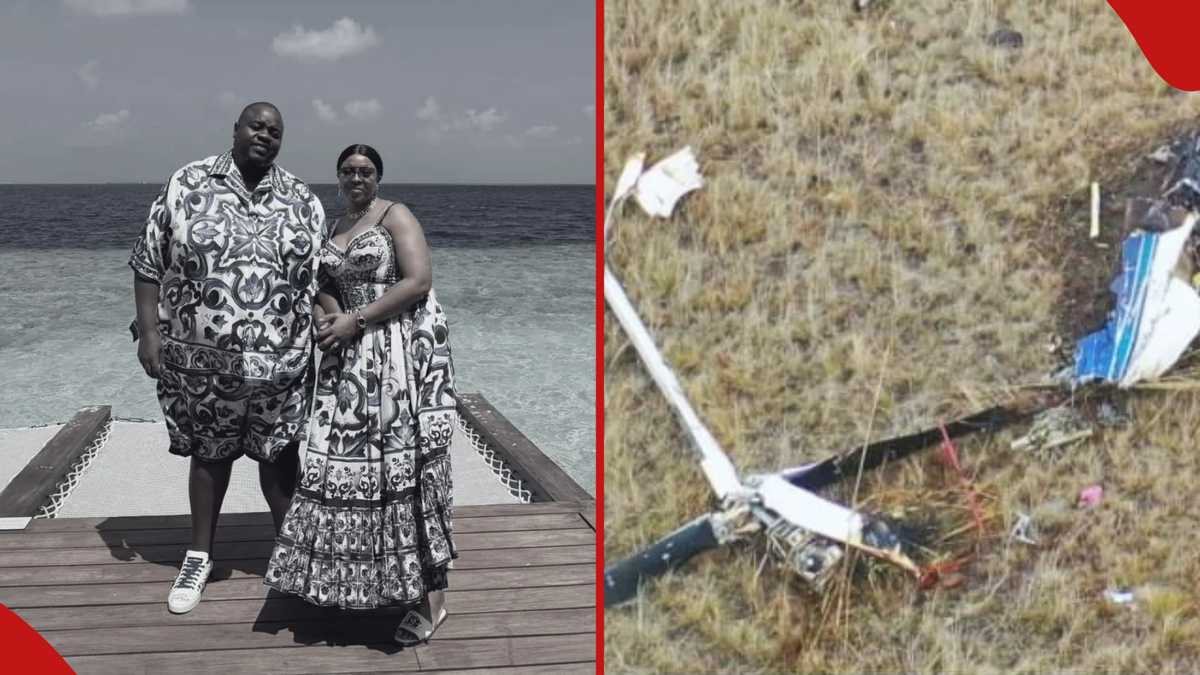
Chivayo helicopter crash: Report says aircraft flew into fog, no mechanical fault found
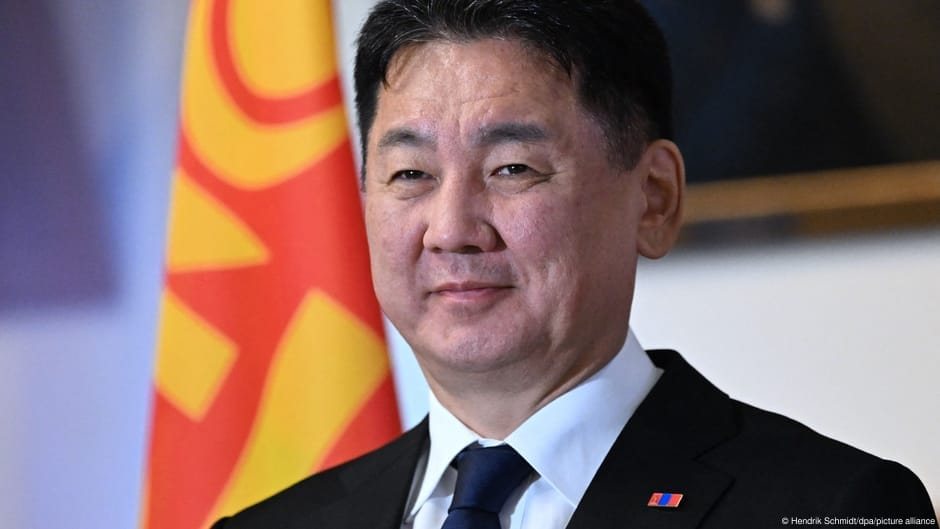
Mongolia's President Khurelsukh to resign over railway corruption claims
Botswana's Boko and Ivory Coast's Ouattara sign mining, energy and trade deals
Ukraine says Russia is targeting rescuers after 'double-tap' strike killed 72
Global Community Remarks
0