
Russia vows 'painful consequences' after Ukraine strikes ships in Libya and Baltic
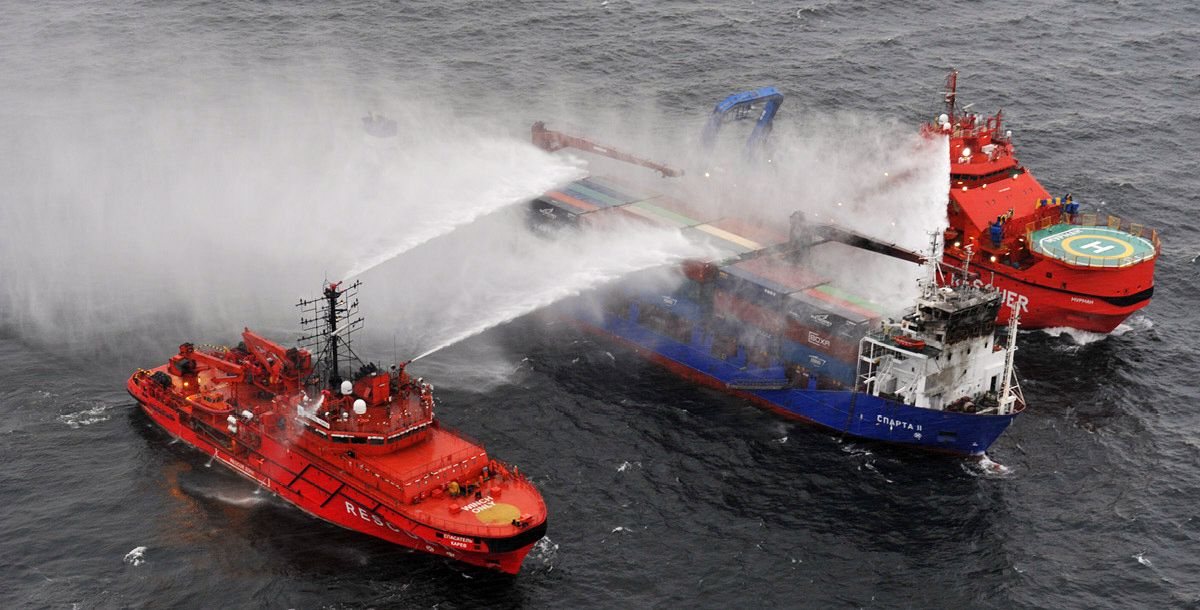
Russia has warned Ukraine of "painful consequences" following drone attacks on Russian vessels in Libya and the Baltic Sea, as Kyiv steps up its campaign against Moscow's naval and merchant shipping, according to Al Jazeera.
Kremlin spokesman Dmitry Peskov told reporters on Monday that the Ministry of Defence was dealing with the matter and would make details public if it judged it appropriate. He said Russia would keep up its strikes on Ukraine in response.
Peskov said Russian forces were carrying out large-scale strikes on Ukrainian military infrastructure every day, a practice he said carried heavy costs for what he called "the Kyiv regime".
Corvette sunk in Benghazi
The Kremlin's remarks came after Ukrainian President Volodymyr Zelenskyy announced that his forces had sunk two ships in the Libyan port of Benghazi. According to Zelenskyy, Ukrainian forces sank the Russian corvette Merkury at a naval base there on Sunday and also hit a cargo ship he said Russia used to transport weapons.
Libya's eastern-based government, which rivals the internationally recognised administration in Tripoli, has filed a complaint with the United Nations. It said the attacks breached Libyan sovereignty and called for an international inquiry into reports that Ukrainian military personnel were present in western Libya.
Baltic drone strike
On Saturday, a drone attack set the Sparta II, a vessel bound for the Russian exclave of Kaliningrad, on fire in international waters in the Baltic Sea. Finland's military said Ukraine was likely behind the strike.
Peskov described the Baltic incident as a "very dangerous trend" that was raising tensions in the region. He said Moscow hoped the Baltic states would use their influence to push Kyiv to end what he termed "terrorist practices".
The attacks form part of Ukraine's intensified effort to target naval assets and merchant vessels linked to Russia's so-called "shadow fleet", which Moscow uses to get around Western sanctions, Al Jazeera reported.
Ferries for Kaliningrad
The Baltic strike has highlighted Russia's growing dependence on sea transport, particularly for Kaliningrad, which lies on the Baltic coast between Lithuania and Poland and is cut off from mainland Russia.
On Monday, Prime Minister Mikhail Mishustin said Russia would spend 47 billion roubles (about $576m) on two rail ferries to keep goods moving to the exclave. The ferries are expected to begin operating between Ust-Luga and Baltiysk in 2030, with most of the cost met from Russia's rainy-day fund, he said.
Kaliningrad has relied heavily on sea-borne supplies since 2022, when Lithuania restricted the transit of some Russian goods, including construction materials, in line with European Union sanctions.
Medvedev raises nuclear option
Adding to the rhetoric, Dmitry Medvedev, the former president who is now deputy chairman of Russia's Security Council, repeated his frequent references to nuclear weapons in an article published on Monday.
He wrote that Russia had the right, and in certain circumstances the obligation, to use all means available to defend itself, potentially including nuclear arms. However, Medvedev acknowledged that despite what he described as provocations by Ukraine and NATO countries, Moscow had so far seen no "direct necessity" to use nuclear weapons in the war.
This story was prepared by the Hamasta Newsdesk with AI assistance, based on reporting by Al Jazeera. Read the original report. Photo: Al Jazeera.
Every moment, captured beautifully.
Events, corporate portraits, products and editorial shoots by our newsroom photographers.






More in International
See all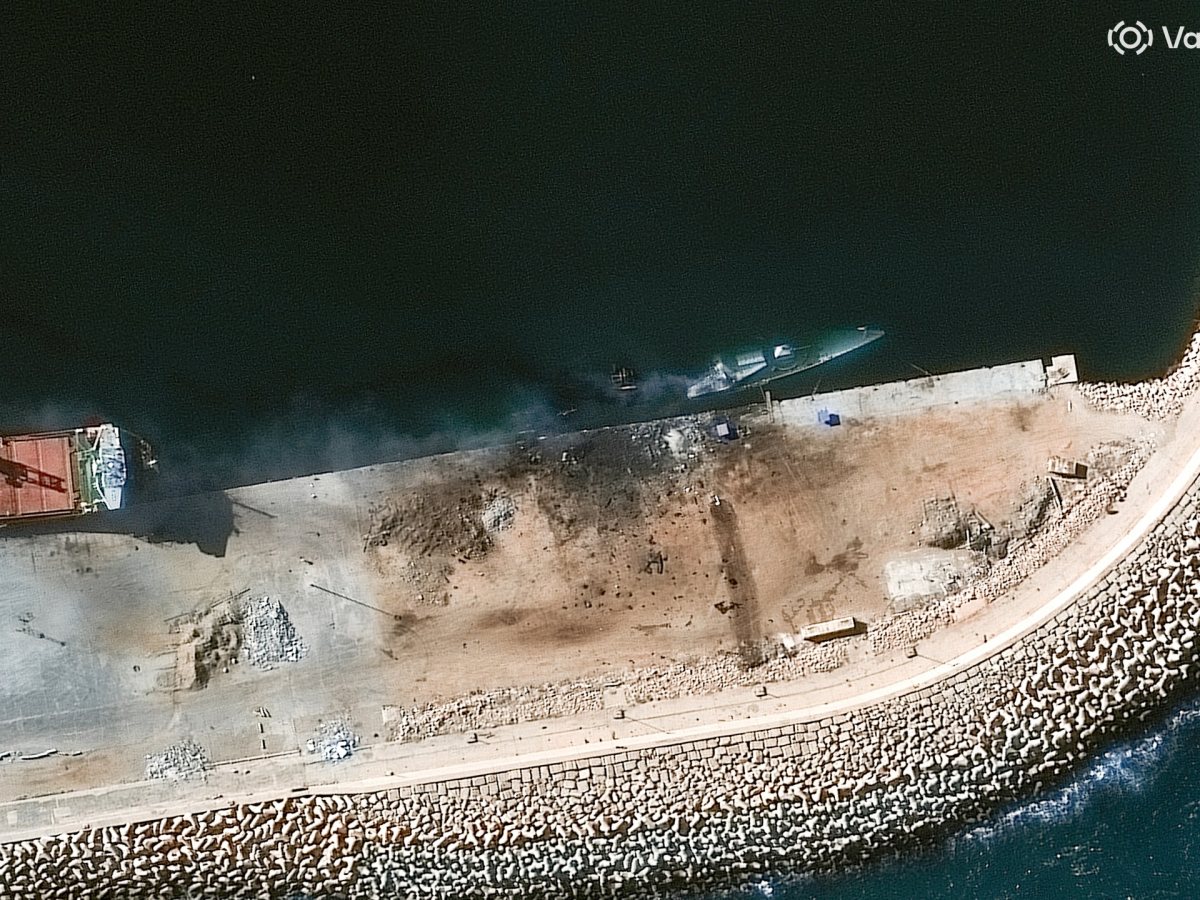
Zelenskyy says Ukraine sank Russian warship and hit cargo vessel off Libya
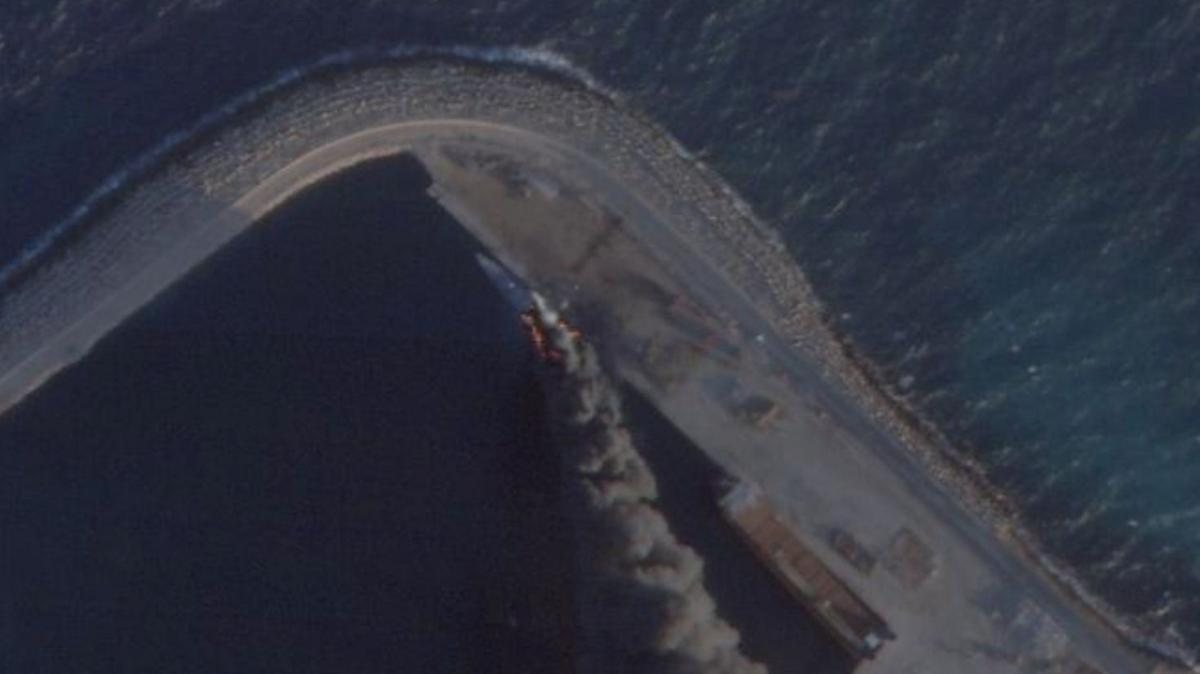
Russian ship hit by explosion at Libya's Benghazi port in suspected drone attack

Ukraine holds peace talks with US and Europe as strikes on infrastructure intensify
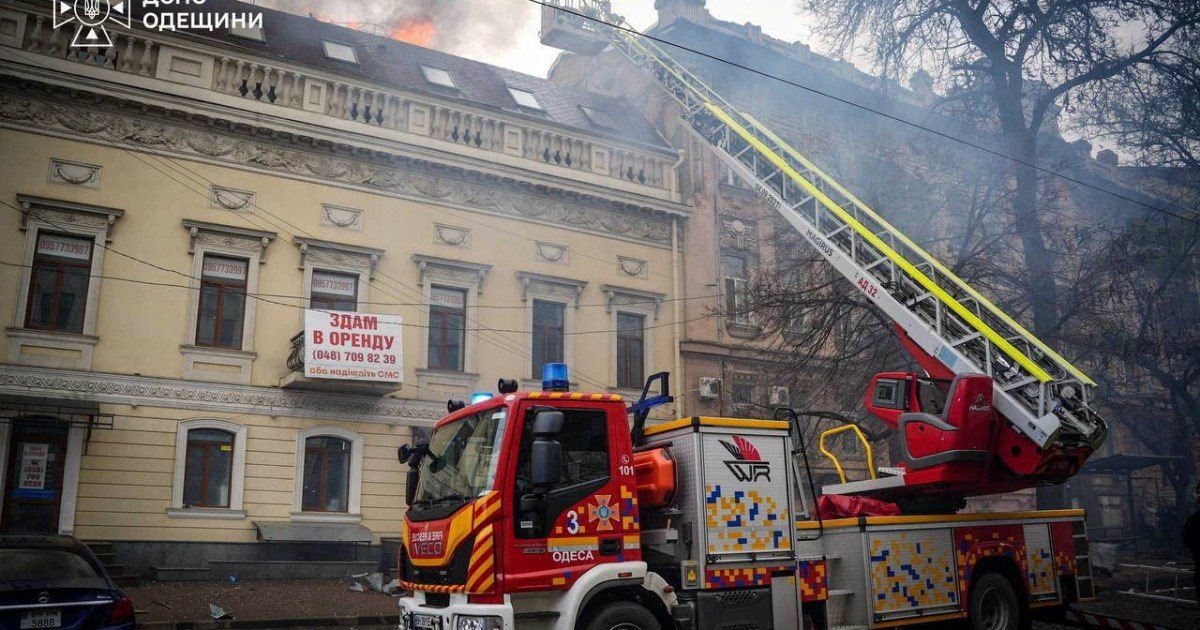
Russian strikes on Ukraine kill at least five, most of them in Odesa

Ukraine brings down section of Russia's Crimea bridge in back-to-back strikes
Global Community Remarks
0