
Trump halts Iowa explosives blast pending court and governor-elect approval
United States President Donald Trump has told the military to put on hold a planned controlled detonation of more than four tonnes of degraded explosives in Iowa. The blast will not go ahead until a federal appeals court and the state's incoming governor give their approval, according to Al Jazeera.
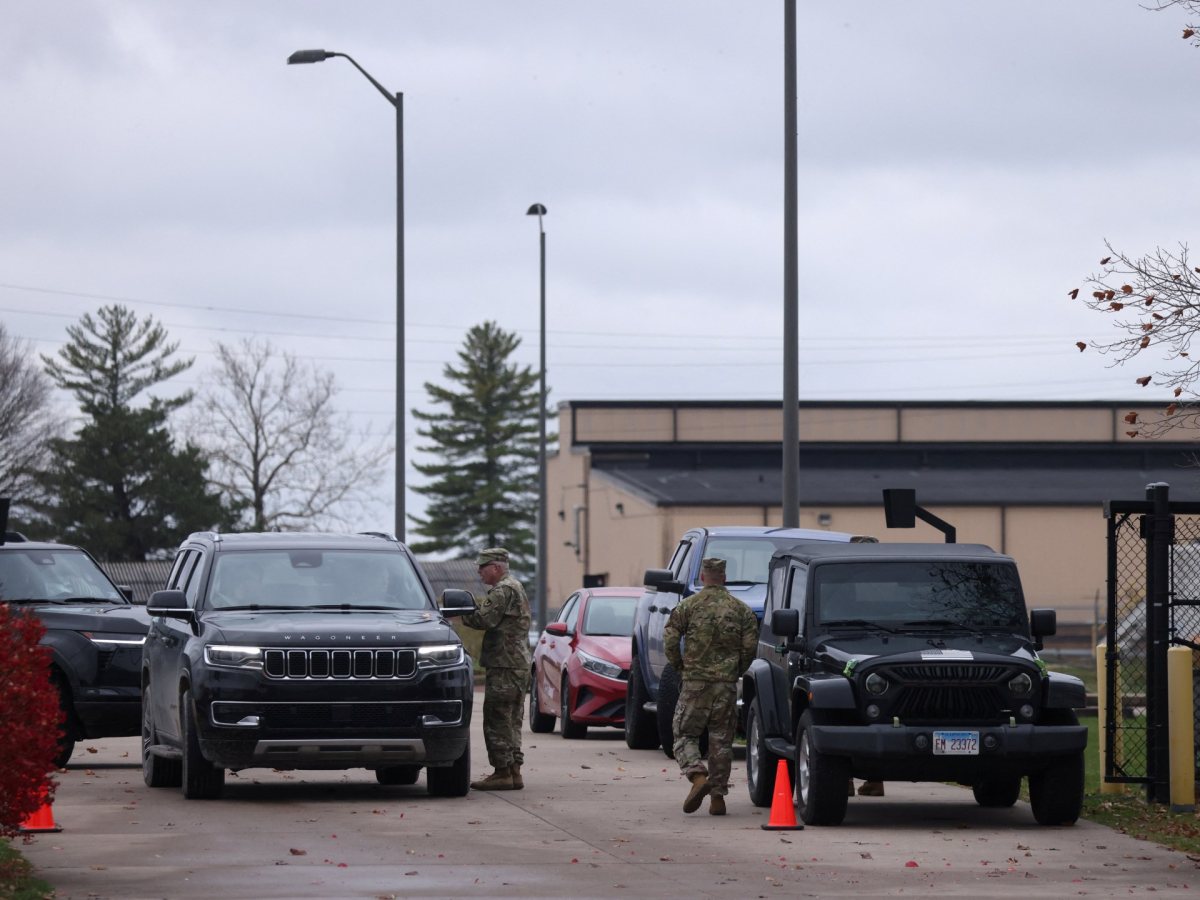
The material, about 9,700 pounds of lead azide held in 68 drums, is stored at the Iowa Army Ammunition Plant near the city of Middletown. The planned destruction has drawn a late legal challenge from environmental groups worried about lead contamination.
Announcement on Truth Social
Trump made the announcement on Monday in a post on his Truth Social platform. He said he believed the right course was to dispose of what he called a long-term problem. However, he said the operation would only proceed if the US Court of Appeals for the Eighth Circuit allowed it and if Rob Sand, whom he described as the incoming governor-elect, agreed.
The president argued that weather conditions were currently ideal for a controlled blast. He presented any further delay as a decision by the courts and Iowa's incoming leadership. He warned that if they did not agree, his administration would be forced to "hold the incoming Governor responsible for any and all death or destruction", Al Jazeera reported.
Trump also blamed the administration of former President Barack Obama for what he said was improper storage of the munitions in 2009.
Repeated delays
The detonations were first scheduled for Friday before being pushed back to Monday. On Thursday, two environmental health advocacy groups, the Sierra Club and the Iowa Environmental Council, filed a petition for review along with an emergency motion to stop the blasts.
The groups are contesting an emergency permit issued by the Environmental Protection Agency (EPA) on November 13. The permit allowed the military to carry out the blasts under the Resource Conservation and Recovery Act.
According to the petitioners:
- Residents living near the plant received only a week's notice of the planned explosions.
- The blasts could spread lead dust up to 160km (100 miles) away.
- The EPA did not adequately consider safer ways of disposing of the material.
Last week, the Eighth Circuit temporarily froze the EPA's emergency permit while it examines the case. In a court filing dated November 21, however, the Justice Department maintained that the army could still carry out the two controlled blasts under an emergency exemption.
Unstable stockpile
Military officials have said the barrels have been kept at the Iowa site for more than two decades in a mixture of water and ethanol. A court declaration cited by Al Jazeera states that an Army munitions expert found the liquid had evaporated, leading to the formation of needle-shaped crystals as recently as March.
Trump has warned that blocking the destruction of the explosive carries serious risks, saying Sand would bear responsibility should the material detonate on its own.
Sand's concerns
Sand has previously criticised what he described as an unacceptable lack of communication and clarity about the planned blast. He has warned that destroying the stockpile through detonation could send a toxic plume of lead dust over communities in southeastern Iowa and across the border in neighbouring Illinois.
Lead is a dense metal linked to serious health risks, including birth defects.
It remains unclear when the Eighth Circuit will rule on the environmental groups' challenge, or whether Sand will consent to the operation.
This story was prepared by the Hamasta Newsdesk with AI assistance, based on reporting by Al Jazeera. Read the original report. Photo: Al Jazeera.


Take your event live to thousands.
Multi-camera live streams, panel discussions and digital broadcasts with professional crews.




More in International
See all
Failed the US Citizenship Test? USCIS Outlines Retest Rules and Timelines

US drone helped Mexico track down 'El Chapo Isidro', officials say
Israel approves return of Flydubai flights to Tel Aviv after cockpit incident
Drone strike on Colombian police base in Cucuta injures infant and two others
US appeals court revives Trump bid to move hush-money case to federal court

Global Community Remarks
0