
US appeals court revives Trump bid to move hush-money case to federal court
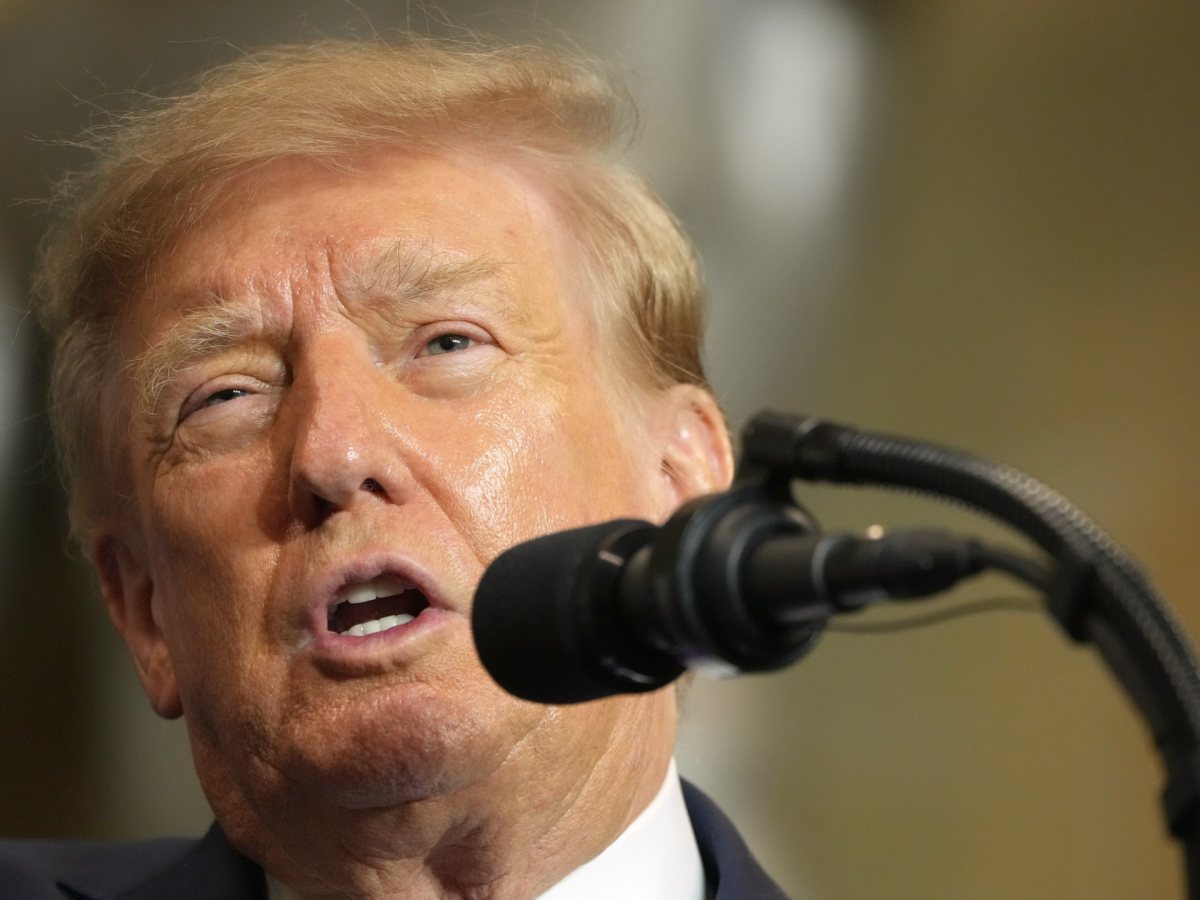
A United States federal appeals court has revived President Donald Trump's attempt to shift his New York hush-money criminal case into the federal court system, potentially giving him a new avenue to challenge his 2024 conviction, according to Al Jazeera.
On Monday, a three-judge panel of the 2nd Circuit Court of Appeals overturned a lower court decision that had kept the case in New York state court. The two-page order directs a federal judge in Manhattan to examine whether the proceedings can be placed under federal jurisdiction.
Lower court 'erred', panel says
The panel disagreed with the late US District Judge Alvin Hellerstein, who had turned down Trump's request for the case's "removal" to federal court. The appeals judges found that Hellerstein had been wrong to conclude that such a transfer was completely ruled out in a state criminal case once a conviction had been secured.
Hellerstein, a senior judge in Manhattan's Southern District of New York, rejected Trump's third bid to move the case in August, finding his arguments insufficient. He died last month aged 92.
A spokesperson for Trump's legal team, in a statement to The Associated Press, said the president welcomed the decision, describing it as "prompt and correct" and casting it as part of his continuing fight against what the team called Democratic weaponisation of the justice system.
Verdict stands for now
The ruling does not overturn the jury's guilty verdict. However, it opens the door for Trump to seek a hearing in federal court, where he is expected to argue that state prosecutors relied on evidence that would have been protected by presidential immunity.
His lawyers are likely to cite a landmark 2024 Supreme Court decision in which the court's conservative majority held that presidents enjoy "presumptive immunity" for "official acts" carried out while in office. Exactly what counts as an official act remains unsettled. Before that ruling, the Supreme Court had extended immunity only to actions falling within a president's constitutional authority.
The federal judge has been told to rule promptly on the transfer question, though no deadline has been set.
The decision also puts on hold Trump's separate appeal before New York's Appellate Division, which heard arguments earlier this month but has not yet ruled.
Background to the case
The case centres on a $130,000 payment made shortly before the 2016 presidential election to adult film performer Stormy Daniels, who claimed she had an affair with Trump while he was married. Trump denies the allegation. Prosecutors said the money was meant to keep her quiet during a heated campaign.
The payment was arranged through Michael Cohen, Trump's former lawyer and fixer. Prosecutors argued that Trump falsified business records to disguise his reimbursements to Cohen as legal fees, hiding them from voters.
Falsifying business records is usually a misdemeanour in New York, but it can be elevated to a felony when committed to further another crime. In this case, prosecutors said the underlying offence was a breach of state election law.
In May 2024, a New York jury convicted Trump on 34 felony counts of falsifying business records, making him the first US president to be found guilty of a crime. He has denied any wrongdoing.
At his sentencing in January 2025, shortly before he began his second term, Trump received an unconditional discharge, meaning he faced no jail time or fine. The conviction, however, remains on his record.
This story was prepared by the Hamasta Newsdesk with AI assistance, based on reporting by Al Jazeera. Read the original report. Photo: Al Jazeera.




Know what people say about you.
Media monitoring, audience insights and strategic communication for your brand.


More in International
See all
Trump orders faster federal executions, attacks Newsom over California death row move
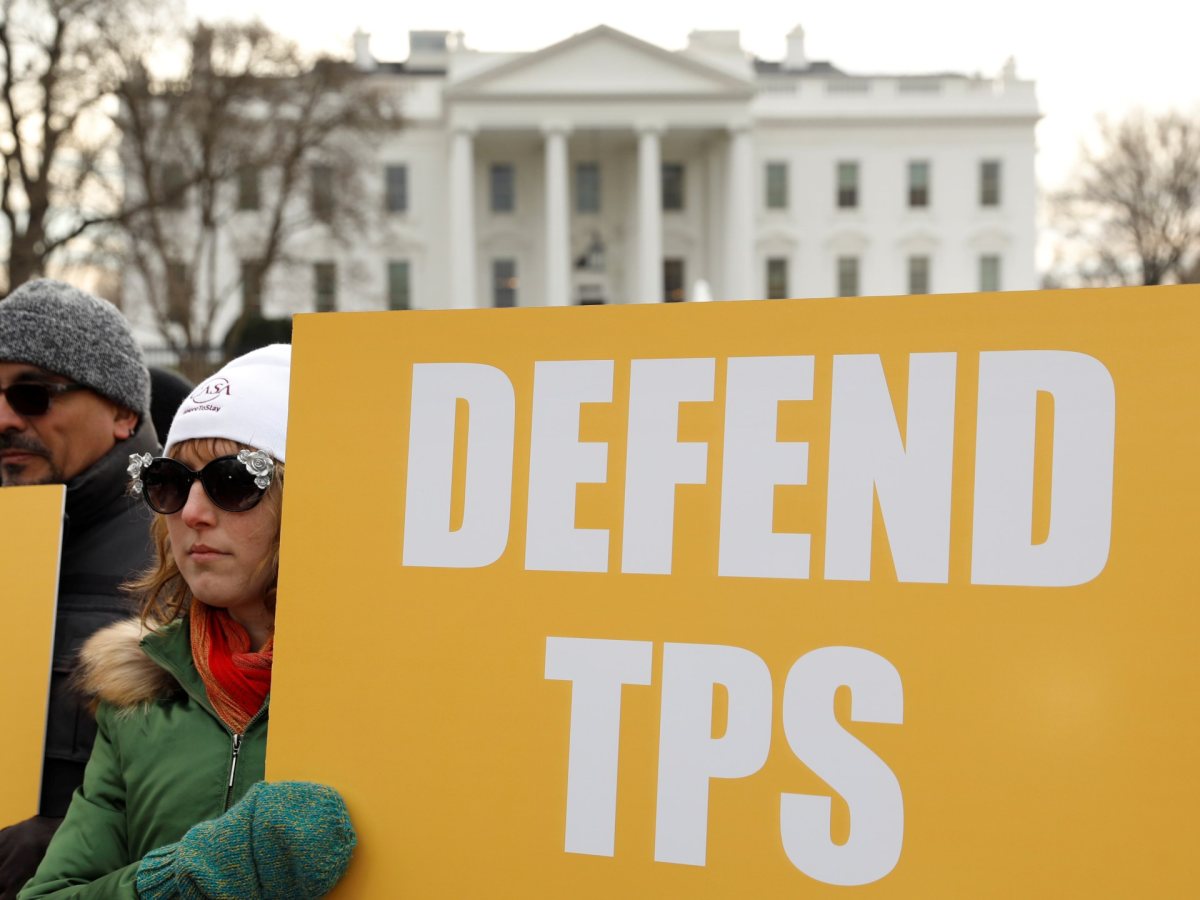
US appeals court allows Trump to strip deportation shield from Venezuelans
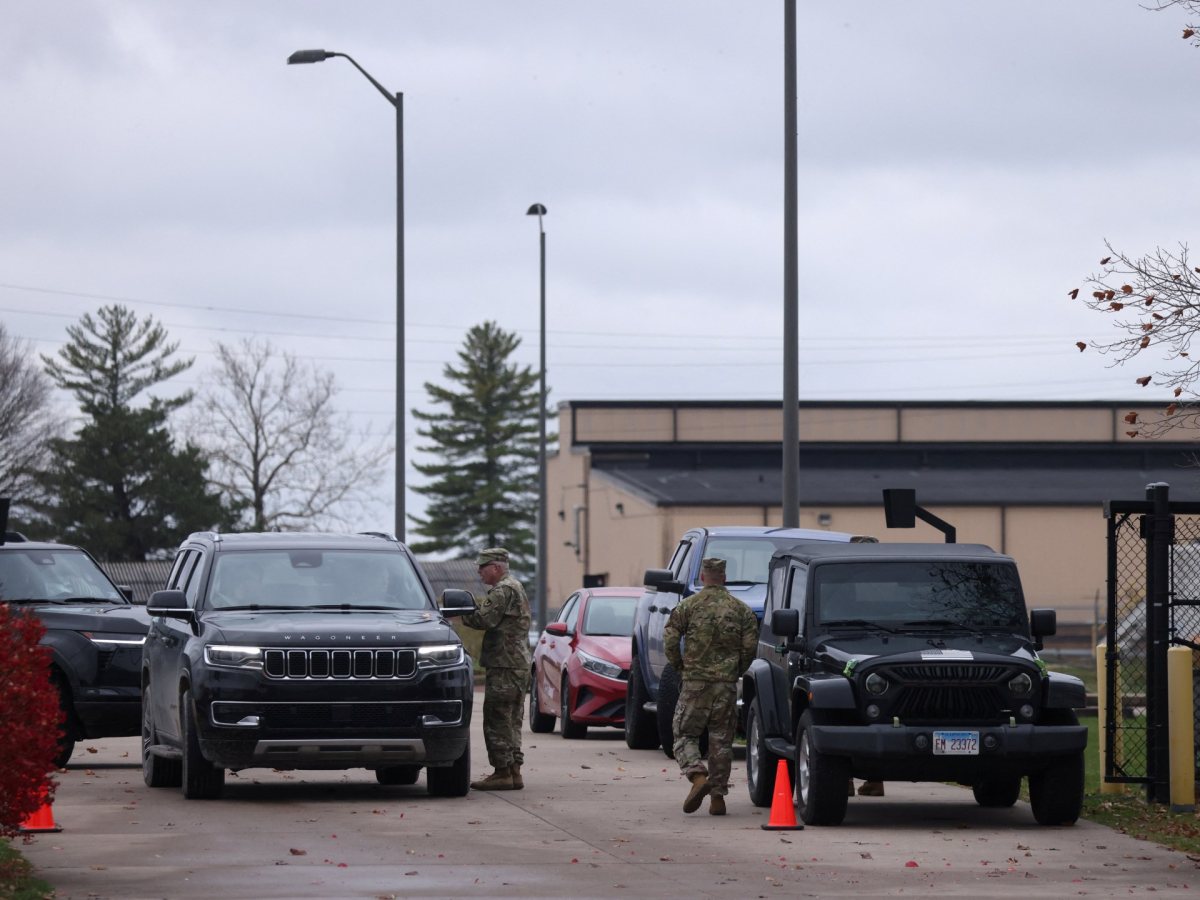
Trump halts Iowa explosives blast pending court and governor-elect approval
Kenyans eyeing US green cards left in limbo as appeals court blocks 2027 lottery reopening

Trump to host third private dinner for top holders of his $TRUMP meme coin
Global Community Remarks
0