
China sends envoys to Horn of Africa as Ethiopia-Eritrea tensions stoke war fears
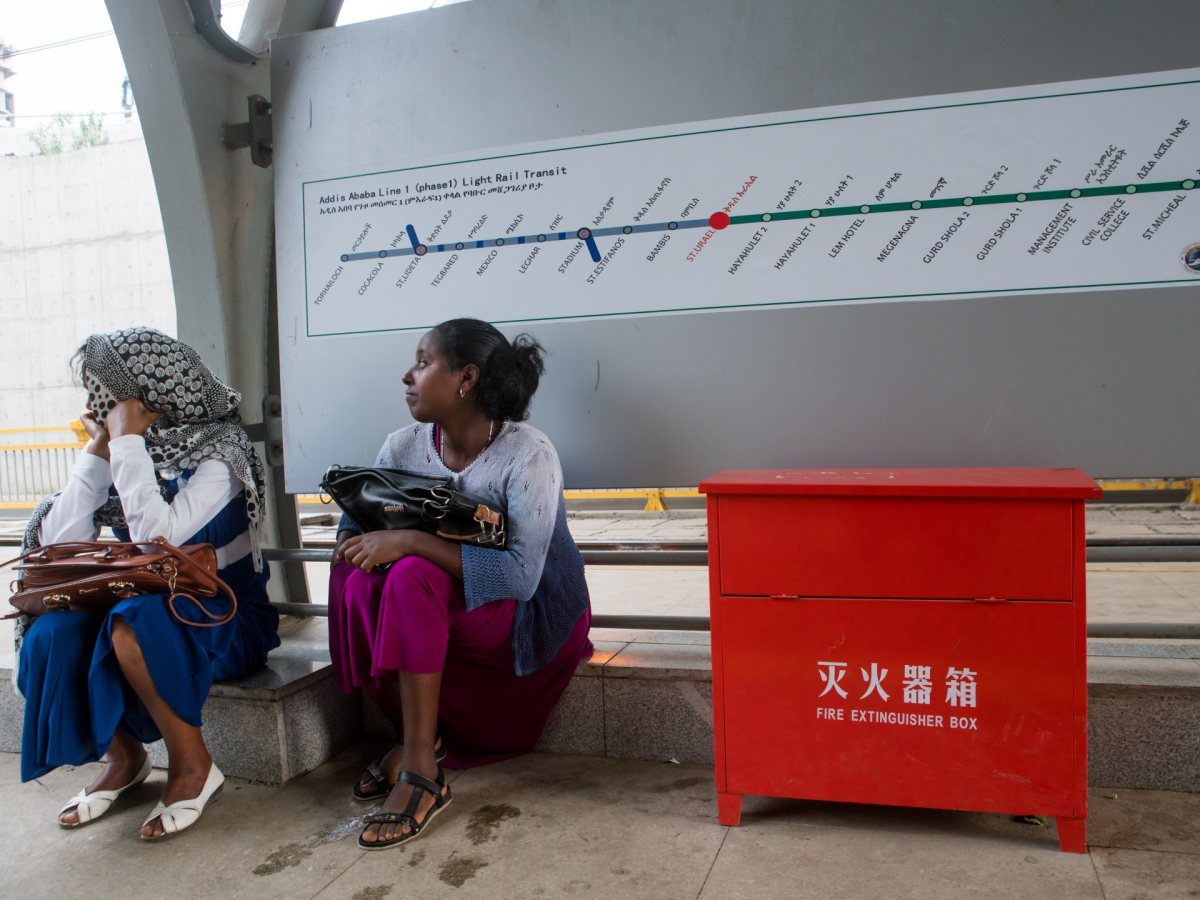
China has stepped up its diplomacy in the Horn of Africa, sending two senior envoys to Ethiopia, Eritrea, Djibouti and Egypt amid growing fears that rising tensions could tip the region into a fresh war, according to Al Jazeera.
Liu Xianfa, Beijing's special representative for African affairs, visited Ethiopia, Djibouti and Egypt in early November. Hu Changchun, China's special envoy for Horn of Africa affairs, travelled to Eritrea. The officials held talks with senior leaders, among them Eritrean President Isaias Afwerki and the foreign ministers of Ethiopia and Egypt.
Chinese Foreign Ministry spokesperson Mao Ning, announcing the trips on November 2, said the aim was to promote peace talks, reduce tensions and support regional stability.
However, the visits have so far yielded only statements backing cooperation and peace. No formal negotiations or concrete agreements have been announced.
Old rivalries resurface
The diplomatic push follows a sharp decline in relations between Ethiopia and Eritrea, which fought a border war from 1998 to 2000 that killed tens of thousands of people. A landmark 2018 peace deal ended two decades of hostility, but ties began to fray after Ethiopia's civil war in Tigray.
Eritrean troops fought alongside Ethiopian government forces against Tigrayan fighters, yet Asmara was left out of the 2022 agreement that ended the main phase of that conflict.
At the heart of the current row is Ethiopia's quest for Red Sea access. Landlocked since Eritrea's independence in 1993, Ethiopia depends heavily on Djibouti's ports for trade. Prime Minister Abiy Ahmed says sea access is vital to his country's future, but Addis Ababa's interest in Eritrea's port of Assab has alarmed Asmara over its sovereignty. Each side accuses the other of backing armed groups.
Reports of Ethiopian and Eritrean troops massing near their shared border have deepened concern.
The Nile dimension
The picture is further complicated by Ethiopia's long-running dispute with Egypt over the Grand Ethiopian Renaissance Dam on the Blue Nile. Cairo fears the dam could endanger its water supply, while Ethiopia maintains it has a right to use the river for power and development. Egypt has also drawn closer to Eritrea, raising the risk of a wider confrontation.
Beijing's stakes
China has significant economic and strategic interests in the region, which lies along one of the world's busiest maritime trade routes. According to US-based research institute AidData, China committed $17.8bn in loans to Ethiopia between 2000 and 2023. Its flagship projects include the $4.3bn Addis Ababa-Djibouti railway linking Ethiopia to the coast.
Djibouti, which sits near the strategic Bab al-Mandeb strait, also hosts China's first overseas military base, opened in 2017.
Edson Ziso, a visiting research fellow at the University of Adelaide, told Al Jazeera that China had played a central role in Ethiopia's economic transformation. He pointed to the disruption in the Strait of Hormuz as evidence of how costly blocked shipping lanes can be for the global economy.
Analysts say the effort also reflects President Xi Jinping's ambition to present China as a major peacemaker. Beijing has promoted its 2022 "Outlook on Peace and Development in the Horn of Africa", which stresses African-led solutions.
Zoon Ahmed Khan, a research fellow at the Beijing-based Center for China and Globalization, said China's approach seeks to help regional states take charge of their own security, reflecting Beijing's belief that development gaps drive instability.
Limits to influence
Analysts caution that economic incentives may not settle disputes rooted in territory, sovereignty and water security. Khan blamed outside actors for fuelling confrontation and undermining African-led processes, while Ziso highlighted the role of proxy forces and rebel groups.
Ziso added that some states, notably Egypt, maintain longstanding security ties with Washington, which could make them wary of Chinese-led solutions.
"China is thus walking a thin line," Ziso said.
He argued that Beijing may need to look beyond its own interests to achieve lasting de-escalation.
This story was prepared by the Hamasta Newsdesk with AI assistance, based on reporting by Al Jazeera. Read the original report. Photo: Al Jazeera.



Grow an audience that listens.
Social media management, digital campaigns and online storytelling that converts.



More in International
See all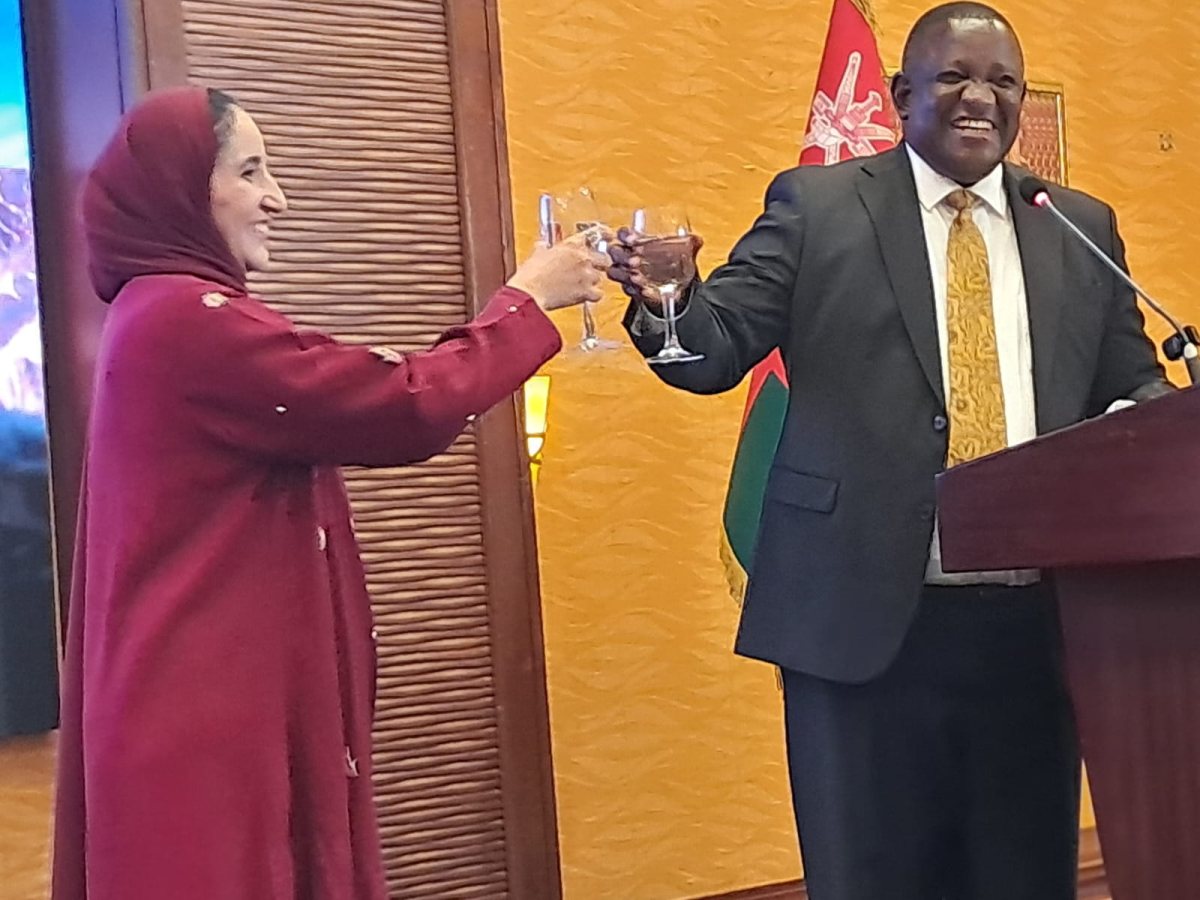
Kenya and Oman pledge deeper ties as diplomatic relations hit 50 years

Madagascar prosecutors seek arrest warrants for ex-president Rajoelina over Iran jets
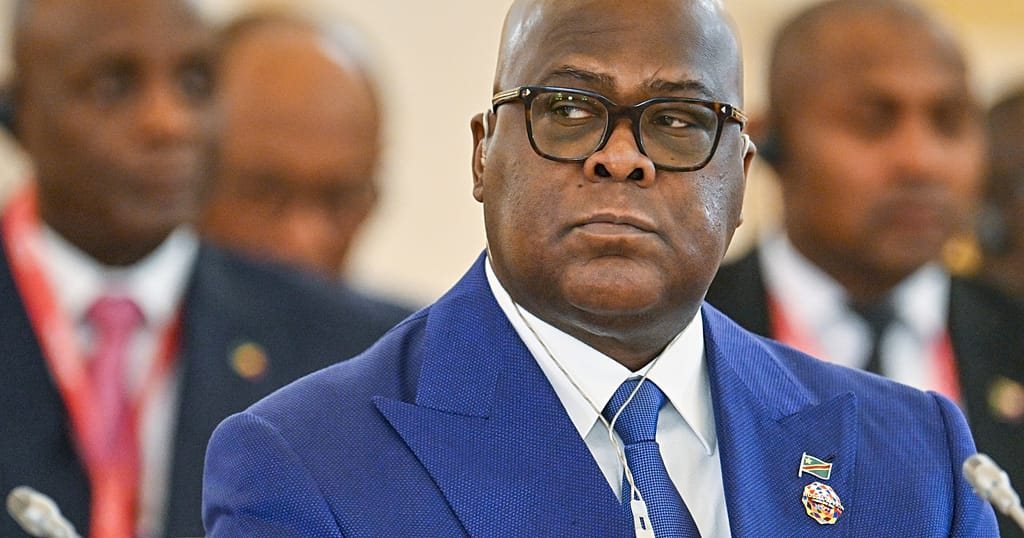
Tshisekedi says DRC's mineral wealth must start benefiting Congolese people

WFP warns wars at three sea chokepoints put food aid for 7.3 million at risk
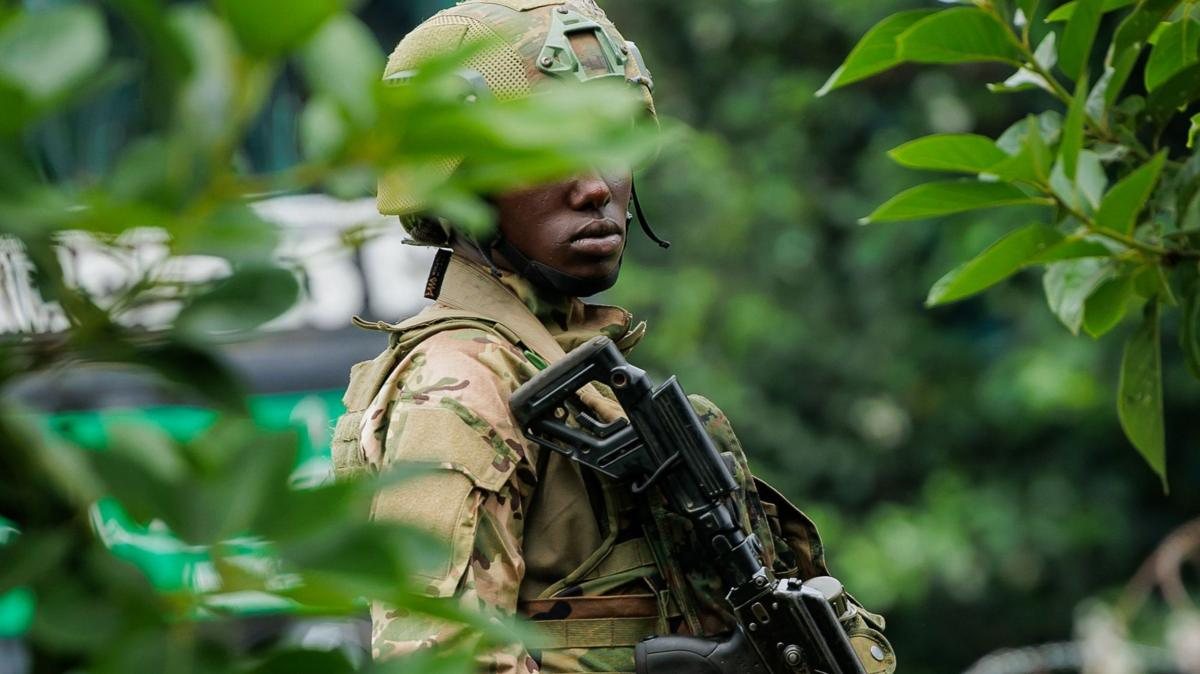
DR Congo searches for missing aircraft as rebels claim to have downed warplane

Global Community Remarks
0