
From Kisii classrooms to the top of global chemistry: Prof Robert Mokaya's journey
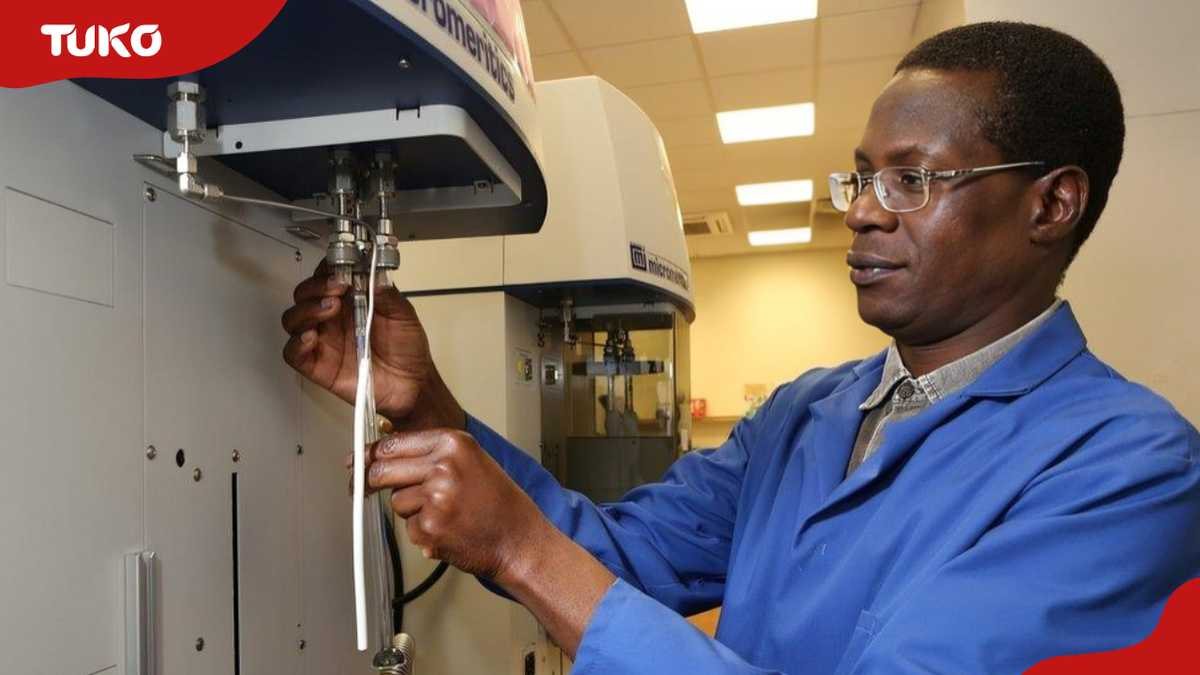
A scientist who began his education at Raganga Primary School in Kisii now leads one of the world's most respected scientific bodies. Professor Robert Mokaya is the first Black president of the Royal Society of Chemistry, and he has opened up about the modest road that brought him there.
Speaking to Tuko, Mokaya described a journey that took him from local schools in western Kenya to the University of Cambridge, and eventually to a career built on research into porous materials, sustainable materials and renewable energy.
Early years in Kisii
Mokaya grew up in Kisii, where his parents worked at Kamagambo, a mission school in the area. He studied at Kisii High School before moving to Nairobi School, and later enrolled at the University of Nairobi to study chemistry.
He told Tuko that curiosity pulled him towards the subject. Chemistry, he explained, offered answers to questions he had been asking since he was a child.
Looking back on his undergraduate days, the professor said his classmates were among the most gifted people he has ever met. According to Tuko, they were driven and disciplined, and performed well even though they lacked the sophisticated laboratory equipment found at wealthier universities abroad.
An unexpected link to Cambridge
After completing his degree, Mokaya spent a short period at a multinational firm, where he worked with clay-based products used to refine edible oils.
That job turned out to be more significant than he could have expected. When he later won a Cambridge Commonwealth Trust scholarship to pursue a PhD at the University of Cambridge, his supervisor handed him a research project focused on those same clays and their filtering properties.
The project introduced him to porous materials and solid-state chemistry, the fields that would shape his academic work for decades to come.
Cambridge, he said, offered a very different research environment. Instruments he had only encountered in textbooks were available to him from his first days there. Tuko reports that he saw this gap between theoretical knowledge and hands-on access as one of the key differences between the two institutions.
A change of plans
Mokaya's original intention on arriving in the United Kingdom was simple: complete his doctorate and return home to teach in Kenya.
That plan shifted when, before finishing his PhD, he was elected a Fellow of Trinity College. The honour, and the calibre of scholars associated with the fellowship, persuaded him to stay in academia and commit to full-time research.
Over time, his work expanded from the clay studies of his student years into sustainable materials and renewable energy applications.
Opening doors for others
Despite his achievements, the professor declined to name any single accomplishment as the highlight of his career.
Instead, he told Tuko that what matters most to him is the opportunity to create pathways for people who face the same obstacles he once encountered.
He sees his presidency of the Royal Society of Chemistry not merely as a personal milestone but as a platform to champion greater inclusion in science, and to make sure the doors that have opened for him remain open for the generations that follow.
His story is likely to resonate with many young Kenyans pursuing science in institutions where resources remain limited, offering a reminder that talent and determination can carry a student from a village classroom to the highest levels of global research.
This story was prepared by the Hamasta Newsdesk with AI assistance, based on reporting by Tuko. Read the original report. Photo: Tuko.
Every moment, captured beautifully.
Events, corporate portraits, products and editorial shoots by our newsroom photographers.






More in Education
See all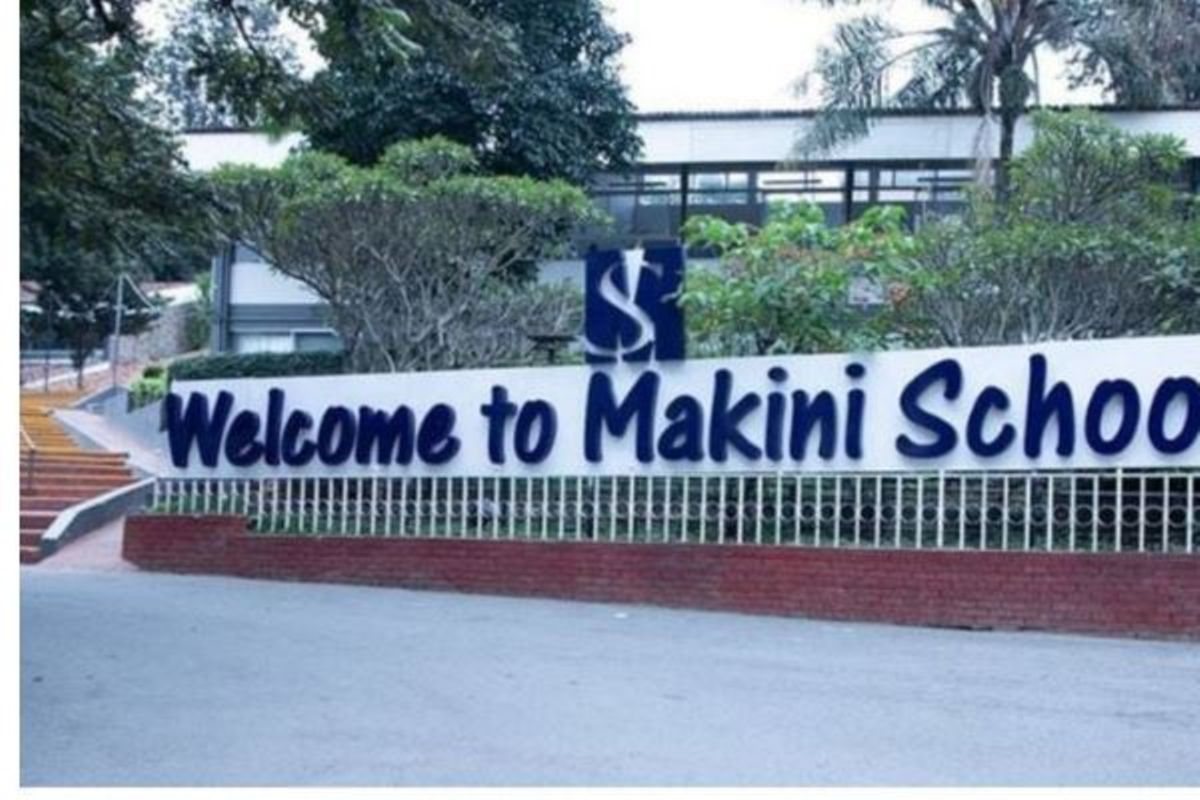
Makini Schools to spend Sh600m expanding Runda campus as premium demand grows

Robertson says Scotland 'don't have time' after 4-0 Nations League rout by Switzerland
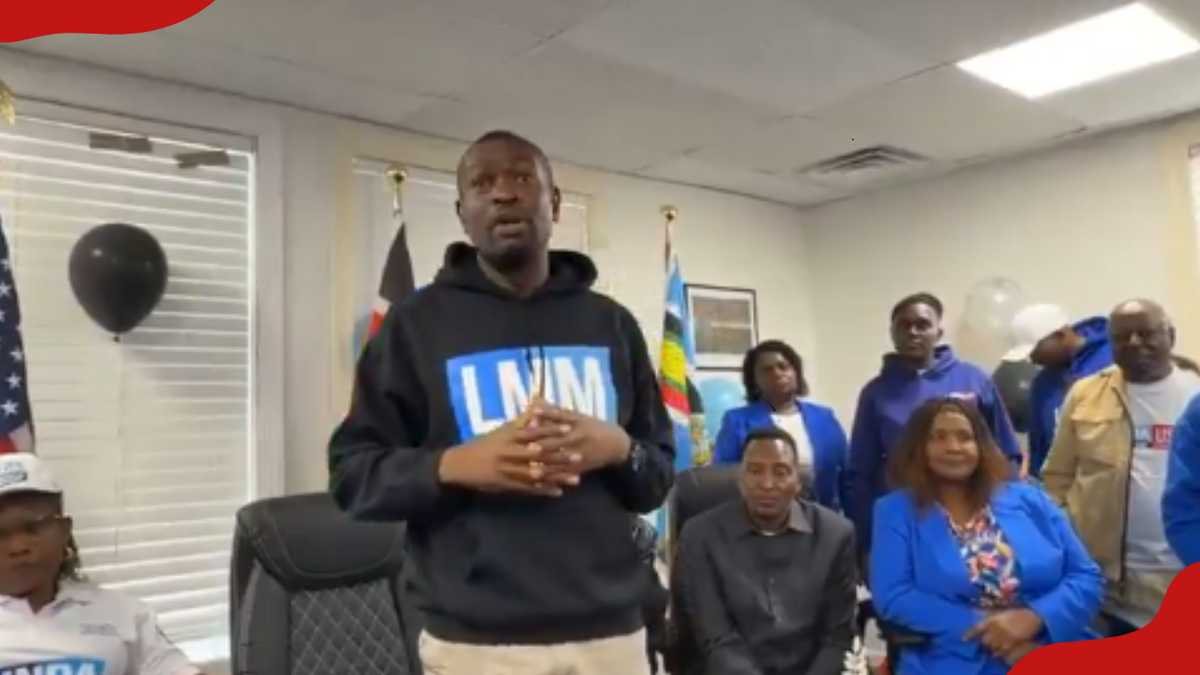
Onyonka denies 2027 pact with Arati, says Kisii voters will decide his next move
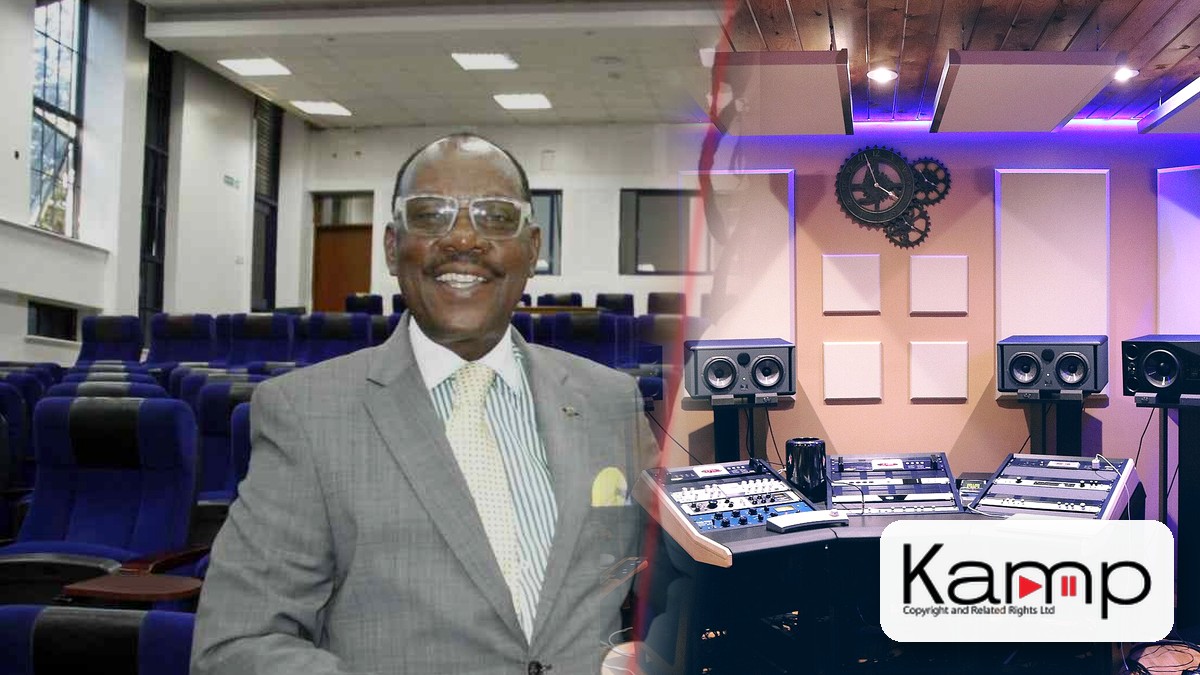
Founder Japheth Kasanga returns as music producers' royalty body KAMP elects new board after licence suspension
Royal Media Services Says Gachagua Paid Ksh1.45M for JKL Interview Slot
Global Community Remarks
0